Lanka Mangrove Museum

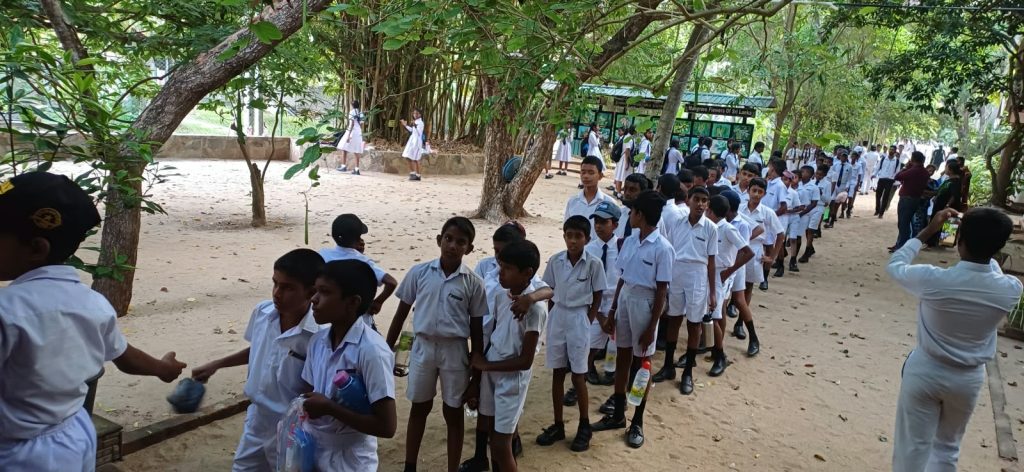
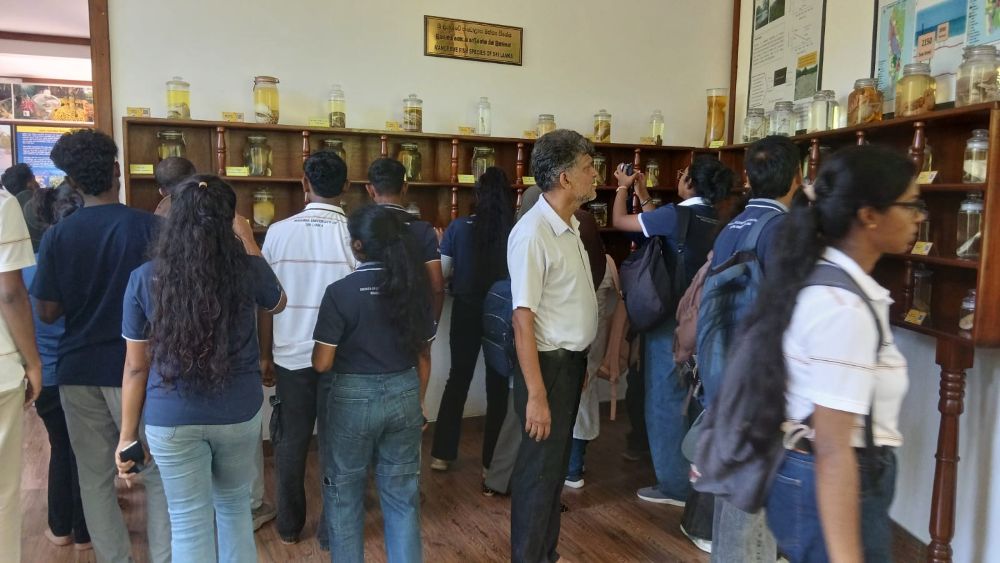
The Lanka Mangrove Museum is a dedicated environmental education center focused on preserving and promoting the rich biodiversity of Sri Lanka’s mangrove ecosystems. Located near the vibrant wetlands, the museum offers interactive exhibits, guided tours, and educational resources that showcase the ecological significance of mangroves and their role in coastal resilience.
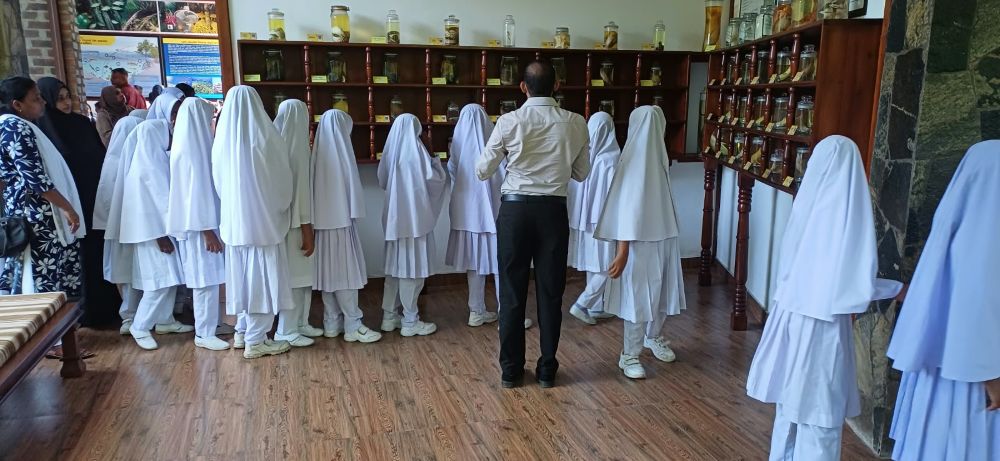
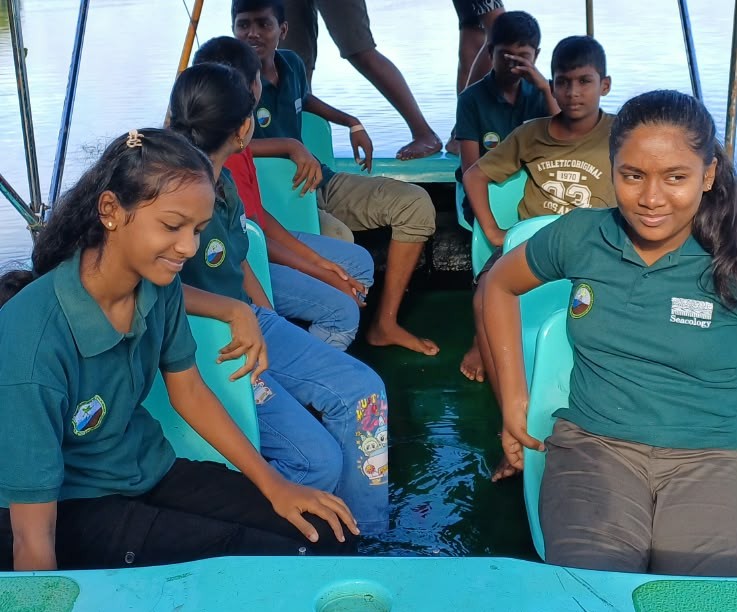
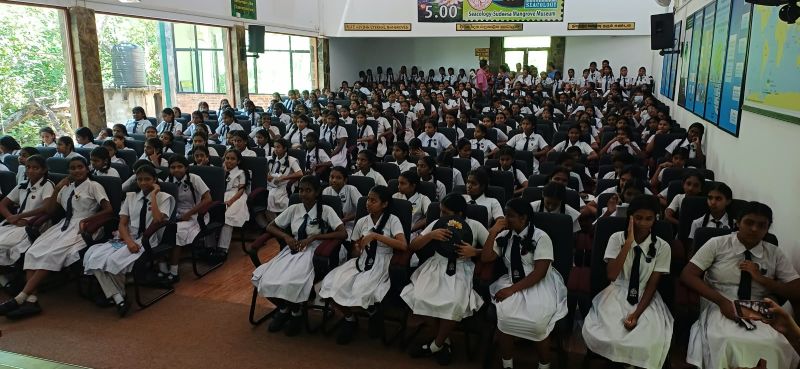
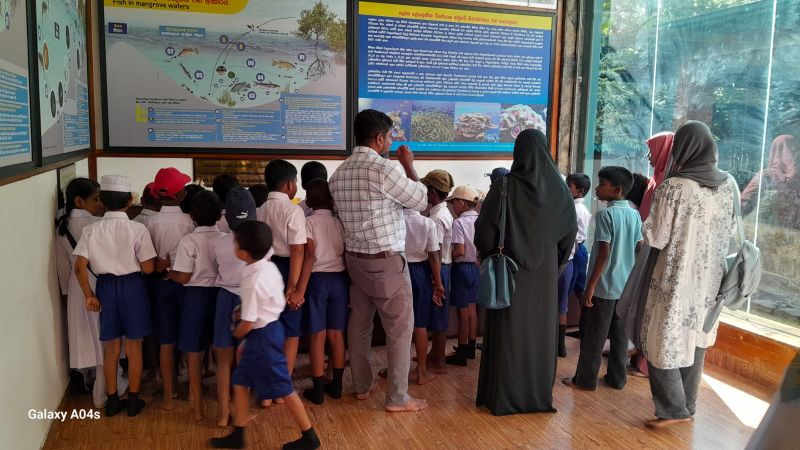
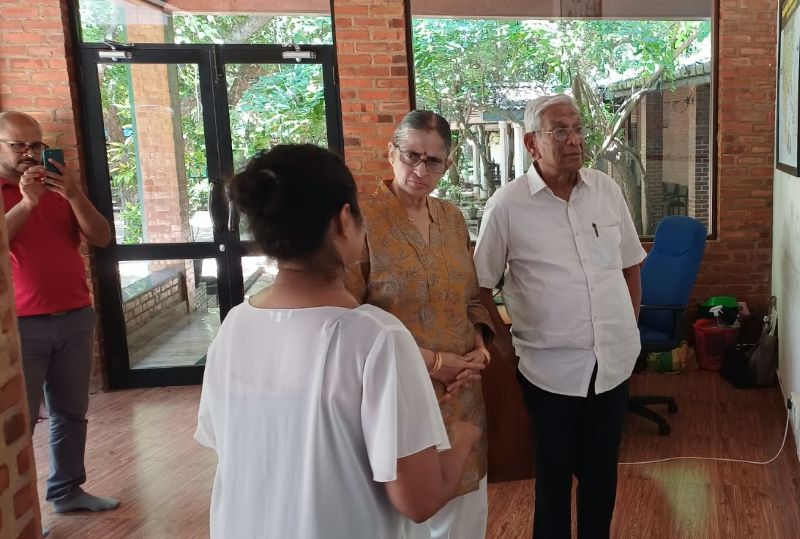
On the 25th of April 2026, a group from the Young Zoologists’ Association visited the Lanka Mangrove Museum and Learning Center. The group was led by Attorney-at-Law Jagath Gunawardena, the President of the association, along with several enthusiastic members.

Visit by the Young Zoologists’ Association

On the 25th of April 2026, a group from the Young Zoologists’ Association visited the Lanka Mangrove Museum and Learning Center. The group was led by Attorney-at-Law Jagath Gunawardena, the President of the association, along with several enthusiastic members.

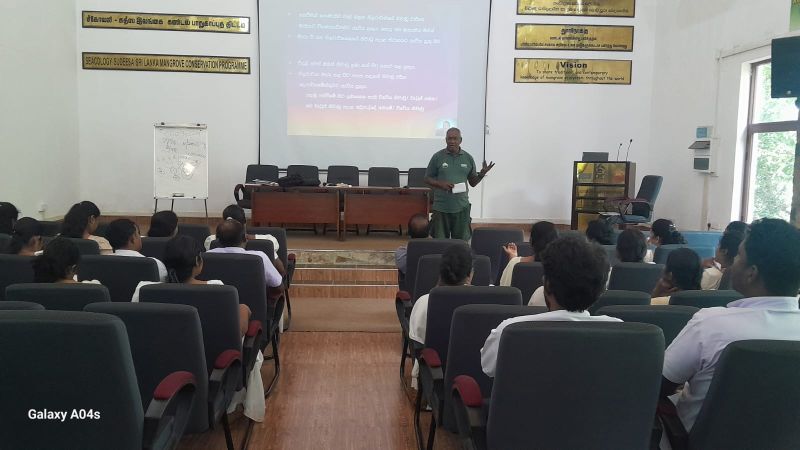
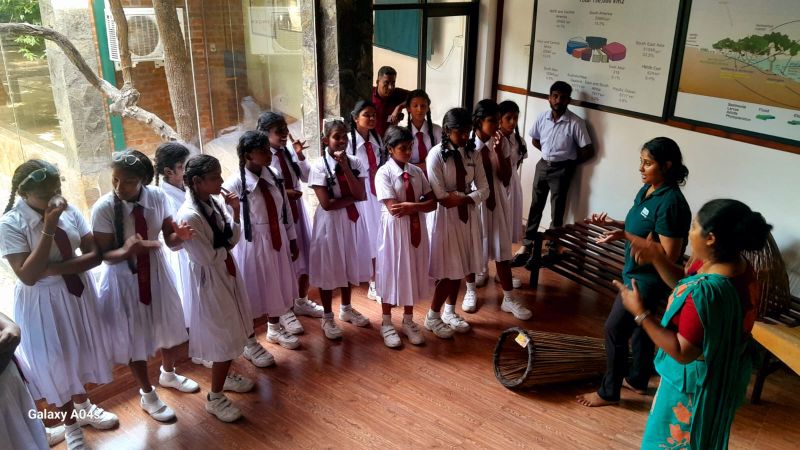
During the visit, participants actively engaged in a special session focused on mangrove plant species. This included an introduction to different mangrove species, highlighting their ecological importance and unique characteristics within coastal ecosystems.

Visit by the Young Zoologists’ Association Read More »

Symphyllia spp., commonly referred to as brain corals or closed brain corals, belong to the family Merulinidae. They are widely distributed across the Indo-Pacific region and are typically found on reef slopes, reef flats, and lagoonal areas. Colonies are generally massive, dome-shaped, or sub-massive, with a distinctive meandroid or maze-like corallite arrangement, which gives them a characteristic brain-like appearance.

Symphyllia sp.

Symphyllia sp. Brain corals or closed brain corals Kingdom: Animalia Phylum: Cnidaria Class: Anthozoa Order: Scleractinia Family: Lobophylliidae Genus: Symphyllia Symphyllia is a genus of large polyp stony corals known for its smooth, fleshy appearance and deep valley-like grooves on the colony surface. It is a massive reef-building coral commonly found in Indo-Pacific reef systems.

Symphyllia sp. Read More »

Hydnophora spp., commonly known as horn corals, belong to the family Merulinidae. They are widely distributed in the Indo-Pacific region, typically inhabiting reef slopes, lagoonal areas, and sheltered reef flats. Colonies are massive to sub-massive, sometimes forming irregular mounds, and are characterized by the presence of numerous conical or knob-like projections (tubercles) on the colony surface, giving the coral a rough and spiny appearance.

Hydnophora

Hydnophora spp., commonly known as horn corals, belong to the family Merulinidae. They are widely distributed in the Indo-Pacific region, typically inhabiting reef slopes, lagoonal areas, and sheltered reef flats. Colonies are massive to sub-massive, sometimes forming irregular mounds, and are characterized by the presence of numerous conical or knob-like projections (tubercles) on the colony surface, giving the coral a rough and spiny appearance.

Hydnophora Read More »

Sponges (Phylum Porifera) are a diverse group of sessile, aquatic invertebrates that are widely distributed in marine and freshwater environments. They are among the earliest-evolved multicellular animals, exhibiting a simple body organization without true tissues or organs. Sponges are characterized by a porous body with numerous ostia (small pores) that allow water to circulate through the body, facilitating filter feeding, respiration, and excretion.

Sponges

Sponges (Phylum Porifera) are a diverse group of sessile, aquatic invertebrates that are widely distributed in marine and freshwater environments. They are among the earliest-evolved multicellular animals, exhibiting a simple body organization without true tissues or organs. Sponges are characterized by a porous body with numerous ostia (small pores) that allow water to circulate through the body, facilitating filter feeding, respiration, and excretion.

Sponges Read More »

Turbinaria spp., commonly known as scroll corals or screw corals, belong to the family Dendrophylliidae. They are widely distributed across the Indo-Pacific, typically inhabiting reef slopes, lagoonal areas, and turbid coastal environments. Turbinaria is easily recognized by its unique colony morphology, which can be foliose (leaf-like), cup-shaped, or turreted, with broad, vertically or horizontally oriented plates that often resemble stacked discs or spirals.

Turbinaria sp.

Turbinaria spp., commonly known as scroll corals or screw corals, belong to the family Dendrophylliidae. They are widely distributed across the Indo-Pacific, typically inhabiting reef slopes, lagoonal areas, and turbid coastal environments. Turbinaria is easily recognized by its unique colony morphology, which can be foliose (leaf-like), cup-shaped, or turreted, with broad, vertically or horizontally oriented plates that often resemble stacked discs or spirals.

Turbinaria sp. Read More »

Montastraea spp., commonly referred to as boulder or massive star corals, belong to the family Merulinidae. They are widespread throughout the tropical and subtropical Atlantic and Indo-Pacific reefs, typically inhabiting reef slopes, reef crests, and lagoonal environments. These corals are massive and slow-growing, forming large, dome-shaped, encrusting, or columnar colonies that contribute significantly to reef framework and structural complexity.

Montastrea sp.

Montastraea spp., commonly referred to as boulder or massive star corals, belong to the family Merulinidae. They are widespread throughout the tropical and subtropical Atlantic and Indo-Pacific reefs, typically inhabiting reef slopes, reef crests, and lagoonal environments. These corals are massive and slow-growing, forming large, dome-shaped, encrusting, or columnar colonies that contribute significantly to reef framework and structural complexity.

Montastrea sp. Read More »

Porites spp., commonly known as finger corals, lobe corals, or massive corals, belong to the family Poritidae and are among the most widespread and ecologically important reef-building corals in the Indo-Pacific. They inhabit a variety of reef habitats, including reef flats, slopes, lagoons, and patch reefs, often in areas with high sedimentation or fluctuating environmental conditions.

Porites sp. 1

Porites spp., commonly known as finger corals, lobe corals, or massive corals, belong to the family Poritidae and are among the most widespread and ecologically important reef-building corals in the Indo-Pacific. They inhabit a variety of reef habitats, including reef flats, slopes, lagoons, and patch reefs, often in areas with high sedimentation or fluctuating environmental conditions.

Porites sp. 1 Read More »

Porites spp., commonly known as finger corals, lobe corals, or massive corals, belong to the family Poritidae and are among the most widespread and ecologically important reef-building corals in the Indo-Pacific. They inhabit a variety of reef habitats, including reef flats, slopes, lagoons, and patch reefs, often in areas with high sedimentation or fluctuating environmental conditions.

Porites sp.

Porites spp., commonly known as finger corals, lobe corals, or massive corals, belong to the family Poritidae and are among the most widespread and ecologically important reef-building corals in the Indo-Pacific. They inhabit a variety of reef habitats, including reef flats, slopes, lagoons, and patch reefs, often in areas with high sedimentation or fluctuating environmental conditions.

Porites sp. Read More »

Scroll to Top