Sponges are simple, multicellular aquatic animals belonging to the phylum Porifera, and are among the oldest living animal groups on Earth.
General Description
Sponges (Phylum Porifera) are a diverse group of sessile, aquatic invertebrates that are widely distributed in marine and freshwater environments. They are among the earliest-evolved multicellular animals, exhibiting a simple body organization without true tissues or organs. Sponges are characterized by a porous body with numerous ostia (small pores) that allow water to circulate through the body, facilitating filter feeding, respiration, and excretion.
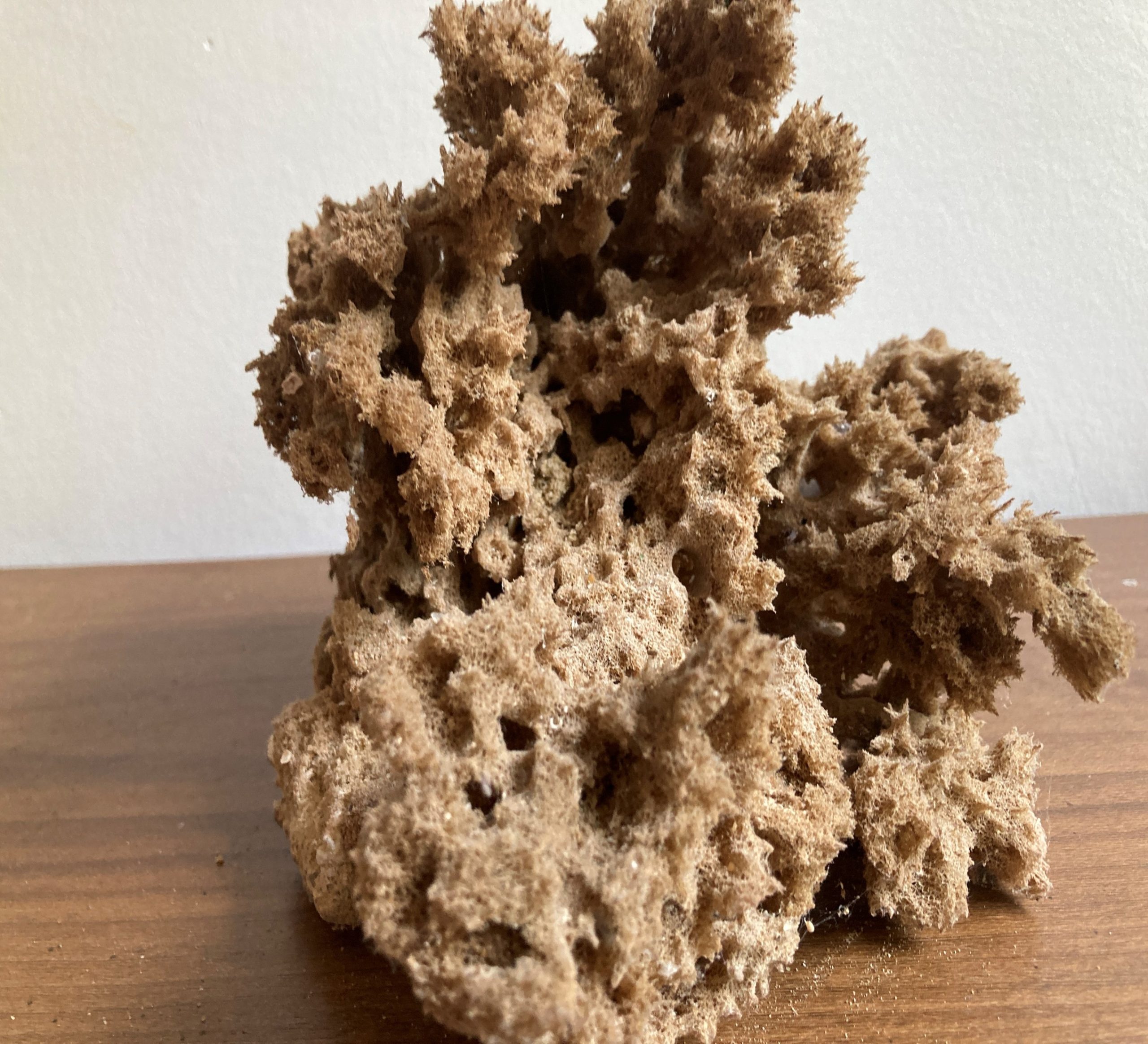
The body of sponges consists of a mesohyl, a gelatinous matrix that contains various cell types, including choanocytes (collar cells), which drive water flow and capture food particles, and amoebocytes, which aid in nutrient transport, skeletal formation, and reproduction. The sponge skeleton is composed of spicules (made of silica or calcium carbonate) and/or spongin fibers, providing structural support and protection.
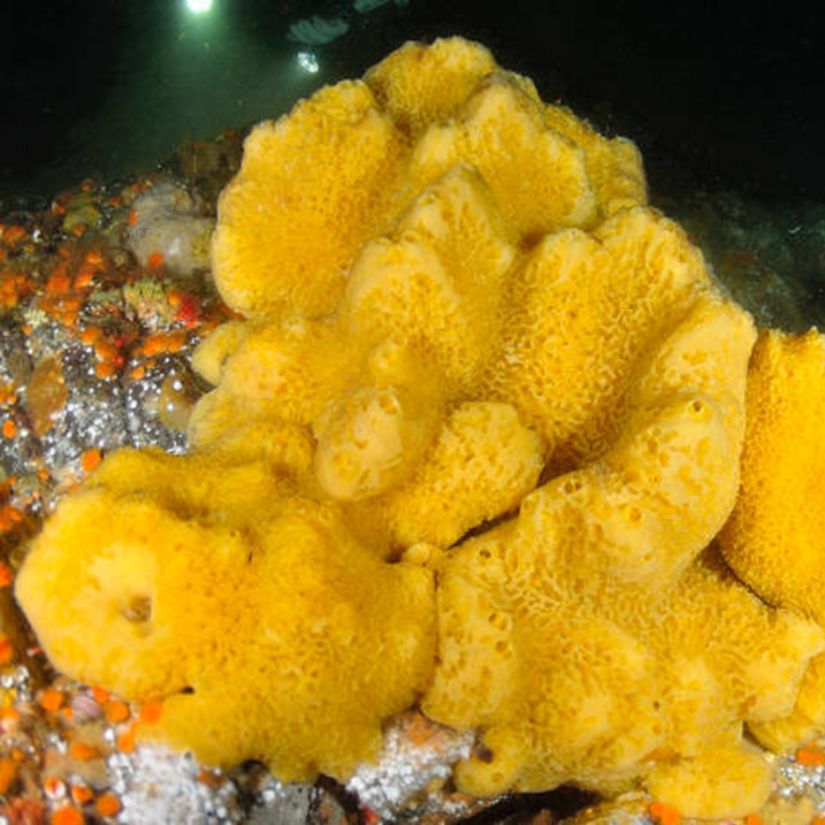
Sponges exhibit a wide range of morphologies, including encrusting, massive, tubular, and branching forms, with colors ranging from drab browns and grays to vibrant yellows, reds, and blues. Many sponges are ecologically important, contributing to reef building, water filtration, nutrient cycling, and providing habitat for numerous small marine organisms.
Identification of sponges to species level is often challenging due to morphological plasticity and requires detailed examination of skeletal spicules, arrangement patterns, and sometimes molecular analysis. Despite their simple appearance, sponges are highly diverse and play critical roles in maintaining marine ecosystem health and resilience.
Key Characteristics
Body full of pores (ostia) and canals
No true tissues or organs
Usually asymmetrical (some are radial)
Skeleton made of spicules (silica or calcium) or spongin fibers