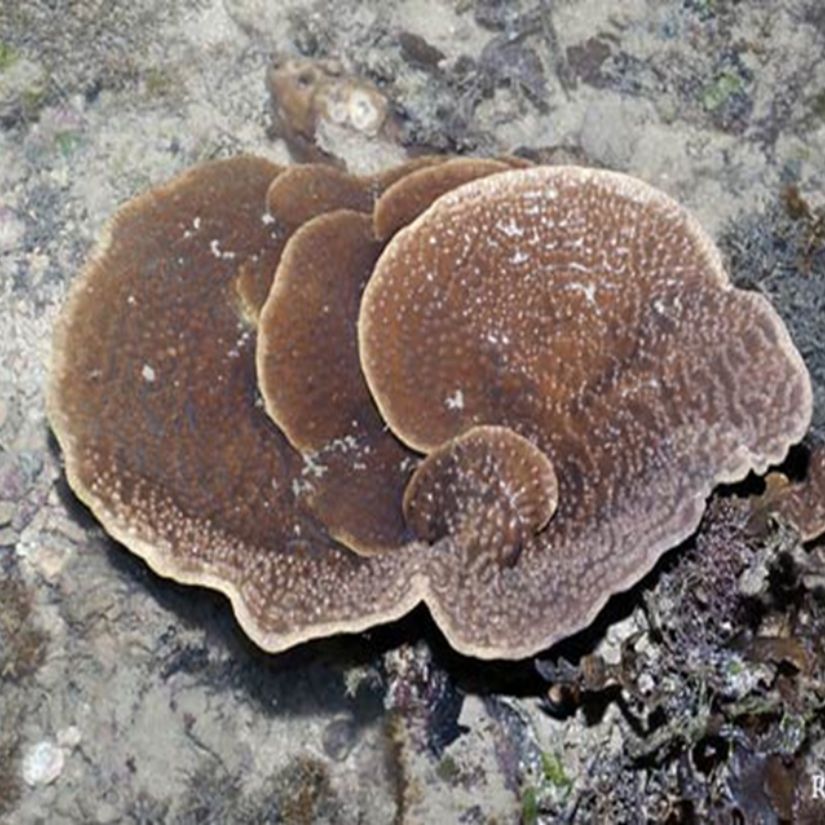
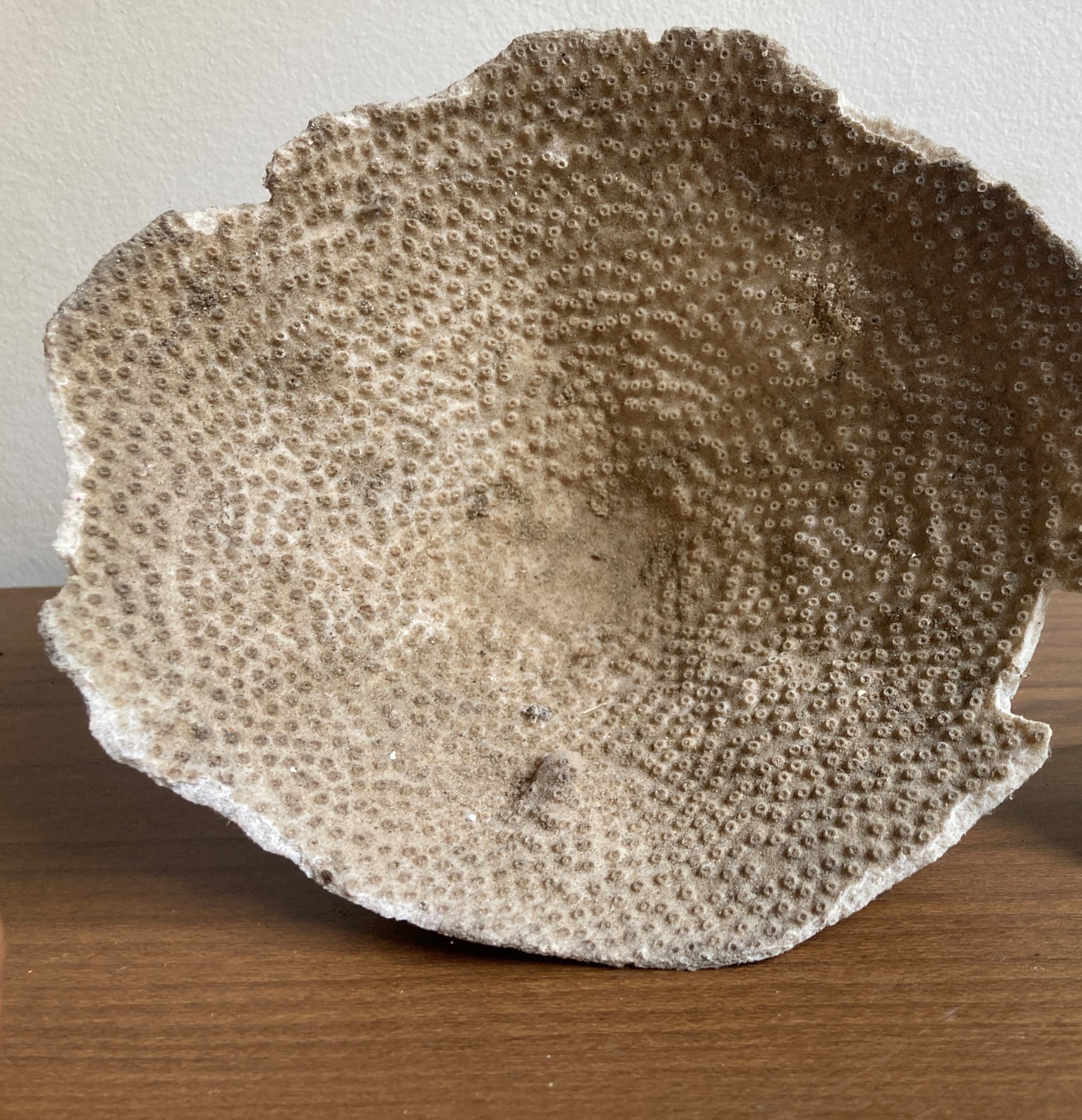
Turbinaria sp. is a genus of reef-building stony corals commonly found in the Indo-Pacific, known for its unique cup, plate, or scroll-like shapes.
General Description
Turbinaria spp., commonly known as scroll corals or screw corals, belong to the family Dendrophylliidae. They are widely distributed across the Indo-Pacific, typically inhabiting reef slopes, lagoonal areas, and turbid coastal environments. Turbinaria is easily recognized by its unique colony morphology, which can be foliose (leaf-like), cup-shaped, or turreted, with broad, vertically or horizontally oriented plates that often resemble stacked discs or spirals.
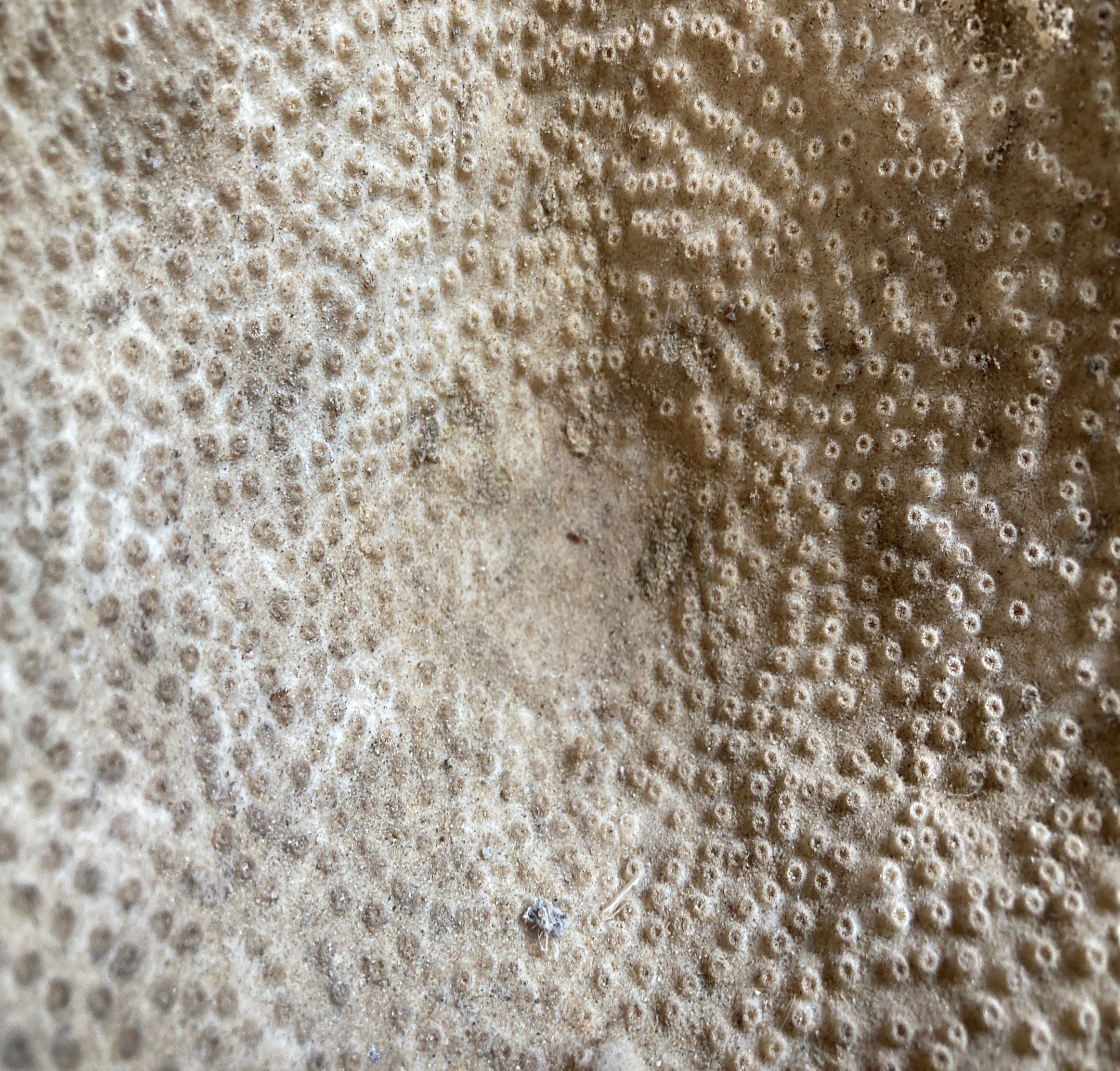
The corallites are small, tubular, and densely packed, usually arranged along the surface of the plates, with thick walls and well-defined septa. Colony coloration varies from brown and green to yellow or gray, influenced by symbiotic zooxanthellae. Unlike many branching corals, Turbinaria forms robust, massive structures that are adapted to withstand high sedimentation and strong water currents.
Species-level identification within Turbinaria can be challenging due to morphological plasticity, which depends on light, water flow, and depth. Detailed skeletal analysis, including corallite structure and plate orientation, is often necessary for accurate classification. Ecologically, Turbinaria corals contribute to reef complexity, providing habitat and shelter for small fishes and invertebrates, and play a role in carbonate deposition on reefs.
Key Characteristics
Common names: scroll coral, cup coral, pagoda coral
Growth forms: cup-shaped, plate-like, or whorled/scroll structures
Surface is often rough with irregular corallites
Colors: yellow, brown, green, or gray
Colonies can be massive or foliose (leaf-like)
Habitat & Distribution
Widely distributed in the Indo-Pacific region (including Sri Lanka)
Found in shallow to deeper reef zones (up to ~30 m)
Tolerates turbid water and sedimentation better than many coraz
Nutrition
Photosynthesis (main energy source)
Captures plankton using polyps, mainly at night
Ecological Importance
Contributes to reef structure and complexity
Provides shelter for marine organisms
Important in less optimal reef conditions due to its tolerance