July 27, 2026

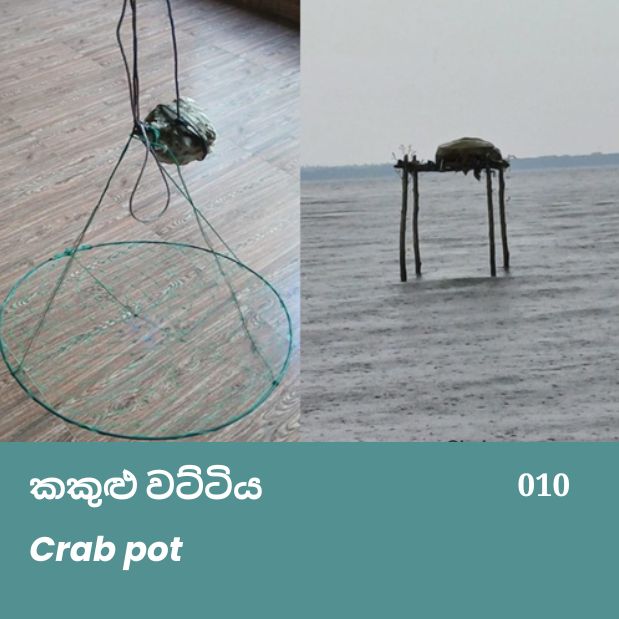
Two crab pots shown side by side: left a circular wire trap with ropes indoors; right a similar pot on wooden stilts in shallow coastal water.

Crab pot කකුළු වට්ටිය

Crab pot, Crab pot The crab trap is a traditional fishing gear that has been used in Sri Lanka’s lagoons since ancient times. It is operated exclusively in lagoon areas where mud crabs are abundant. This simple and effective fishing method has long been practiced by artisanal fishermen to harvest crabs for both household consumption and commercial purposes.

Crab pot කකුළු වට්ටිය Read More »
Since ancient times, this type of raft has been widely used for fishing in reservoirs and other inland water bodies in Sri Lanka. Traditionally, it was constructed using about five wooden logs, each measuring approximately 10–12 feet in length. The logs were carefully cleaned, trimmed, and smoothed to reduce their weight and improve buoyancy. Holes were made near both ends of each log, through which two sturdy wooden crossbars were inserted and tightly secured with ropes. These crossbars, locally known as “kombuwa,” held the logs firmly together, creating a stable and durable floating platform suitable for fishing activities.

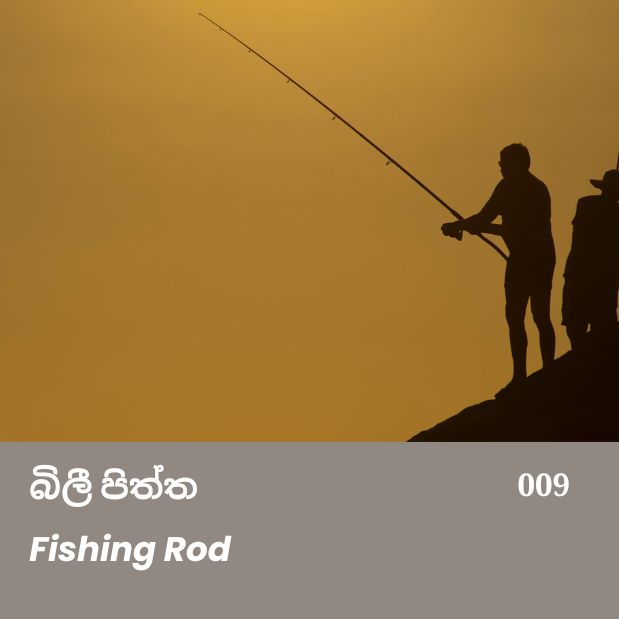
Fishing Rod

Since ancient times, this type of raft has been widely used for fishing in reservoirs and other inland water bodies in Sri Lanka. Traditionally, it was constructed using about five wooden logs, each measuring approximately 10–12 feet in length. The logs were carefully cleaned, trimmed, and smoothed to reduce their weight and improve buoyancy. Holes were made near both ends of each log, through which two sturdy wooden crossbars were inserted and tightly secured with ropes. These crossbars, locally known as “kombuwa,” held the logs firmly together, creating a stable and durable floating platform suitable for fishing activities.

Fishing Rod Read More »

Since ancient times, this type of raft has been widely used for fishing in reservoirs and other inland water bodies in Sri Lanka. Traditionally, it was constructed using about five wooden logs, each measuring approximately 10–12 feet in length. The logs were carefully cleaned, trimmed, and smoothed to reduce their weight and improve buoyancy. Holes were made near both ends of each log, through which two sturdy wooden crossbars were inserted and tightly secured with ropes. These crossbars, locally known as "kombuwa," held the logs firmly together, creating a stable and durable floating platform suitable for fishing activities.

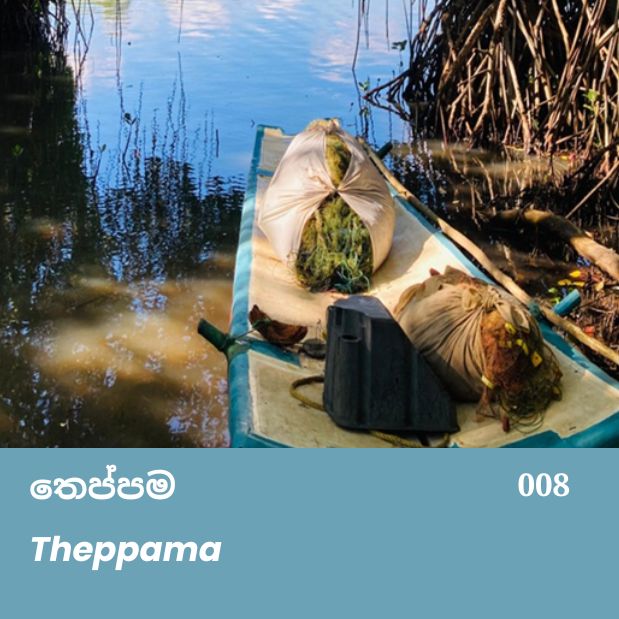
Theppama තෙප්පම

The Karapalawa is a traditional gill net that has been used for fishing in Sri Lanka since ancient times. It is one of the most widely used passive fishing gears and is suitable for capturing a variety of fish species in both inland and coastal waters. The dimensions of the net, including its height and mesh size, are selected according to the depth of the water body and the size of the target fish species.

The upper edge of the net is fitted with a head rope known as the “Udu Manda,” to which floats are attached. These floats keep the net suspended vertically in the water column. The lower edge is attached to a foot rope called the “Yati Manda,” which is fitted with sinkers or weights to keep the net stretched downward. Together, the floats and sinkers ensure that the net remains upright, forming an effective barrier for fish.

Theppama තෙප්පම Read More »

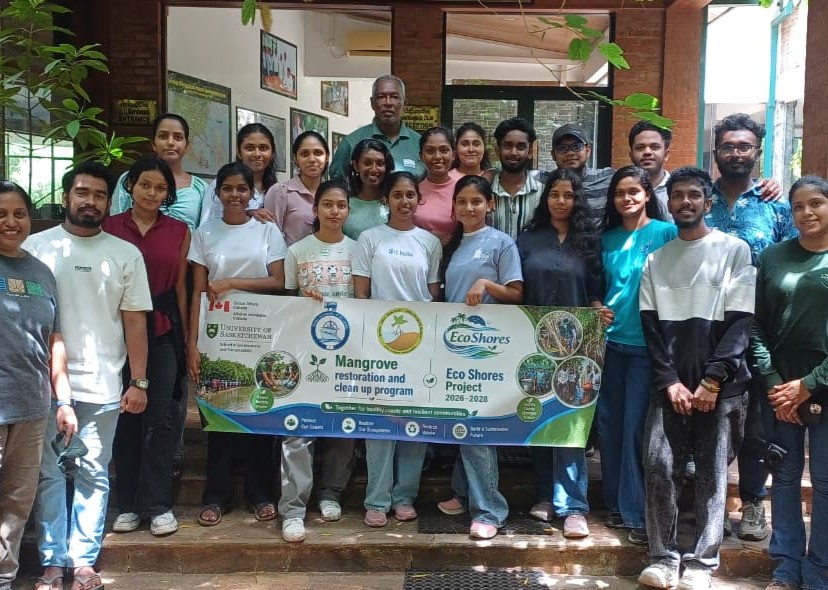
Today, in celebration of International Mangrove Day, a Mangrove Awareness Programme and a Mangrove Reserve Clean-up Campaign were successfully conducted to promote environmental conservation and community participation.

Mangrove Awareness Programme and Mangrove Reserve Clean-up in Celebration of International Mangrove Day 2026

🌿 Mangrove Awareness Programme and Mangrove Reserve Clean-up in Celebration of International Mangrove Day 2026 🌿 Today, in celebration of International Mangrove Day, a Mangrove Awareness Programme and a Mangrove Reserve Clean-up Campaign were successfully conducted to promote environmental conservation and community participation. The programme brought together enthusiastic participants from: Students of the Ocean University

Mangrove Awareness Programme and Mangrove Reserve Clean-up in Celebration of International Mangrove Day 2026 Read More »

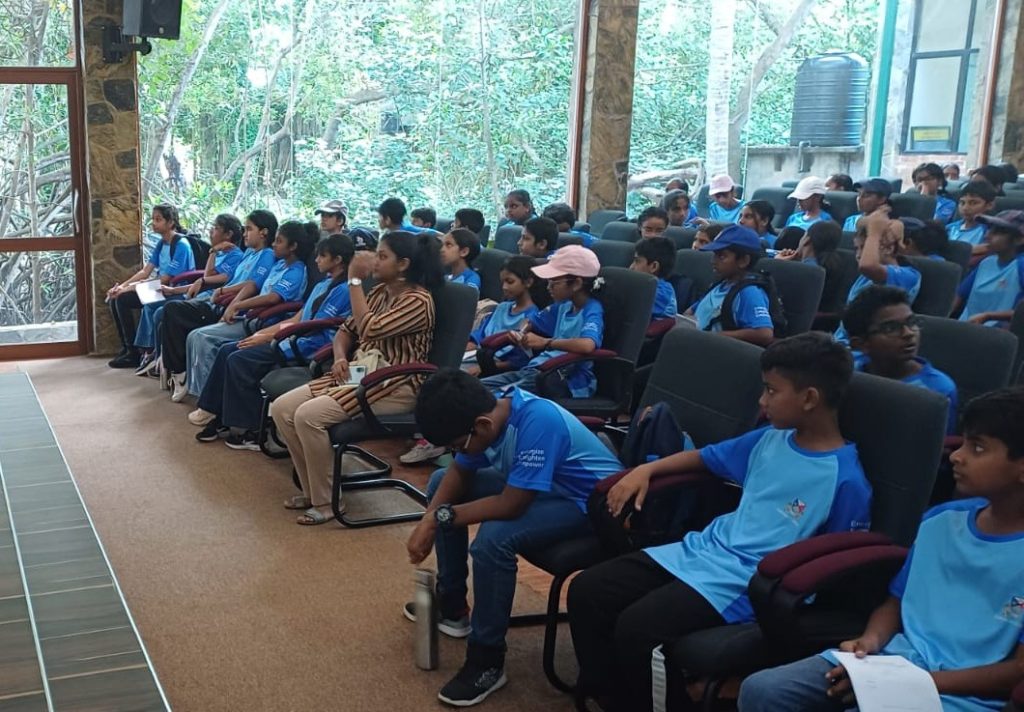
Today, we were delighted to welcome a group of students from Gateway International School, Colombo to the Lanka Mangrove Museum & Learning Center for an educational field visit. During their visit, the students explored the museum's exhibits and learned about the importance of mangrove ecosystems, their rich biodiversity, the vital role mangroves play in protecting coastal environments, and the need for their conservation. The interactive sessions and guided tour provided an engaging learning experience, inspiring students to become future stewards of the environment. We sincerely thank the students, teachers, and staff of Gateway International School for visiting us and for their enthusiasm in learning about mangrove conservation.

Gateway International School Students Visit the Lanka Mangrove Museum & Learning Center

Today, we were delighted to welcome a group of students from Gateway International School, Colombo to the Lanka Mangrove Museum & Learning Center for an educational field visit.

During their visit, the students explored the museum’s exhibits and learned about the importance of mangrove ecosystems, their rich biodiversity, the vital role mangroves play in protecting coastal environments, and the need for their conservation. The interactive sessions and guided tour provided an engaging learning experience, inspiring students to become future stewards of the environment.

We sincerely thank the students, teachers, and staff of Gateway International School for visiting us and for their enthusiasm in learning about mangrove conservation.

🌱 Together, we can protect our mangroves for future generations.

Gateway International School Students Visit the Lanka Mangrove Museum & Learning Center Read More »

Scroll to Top