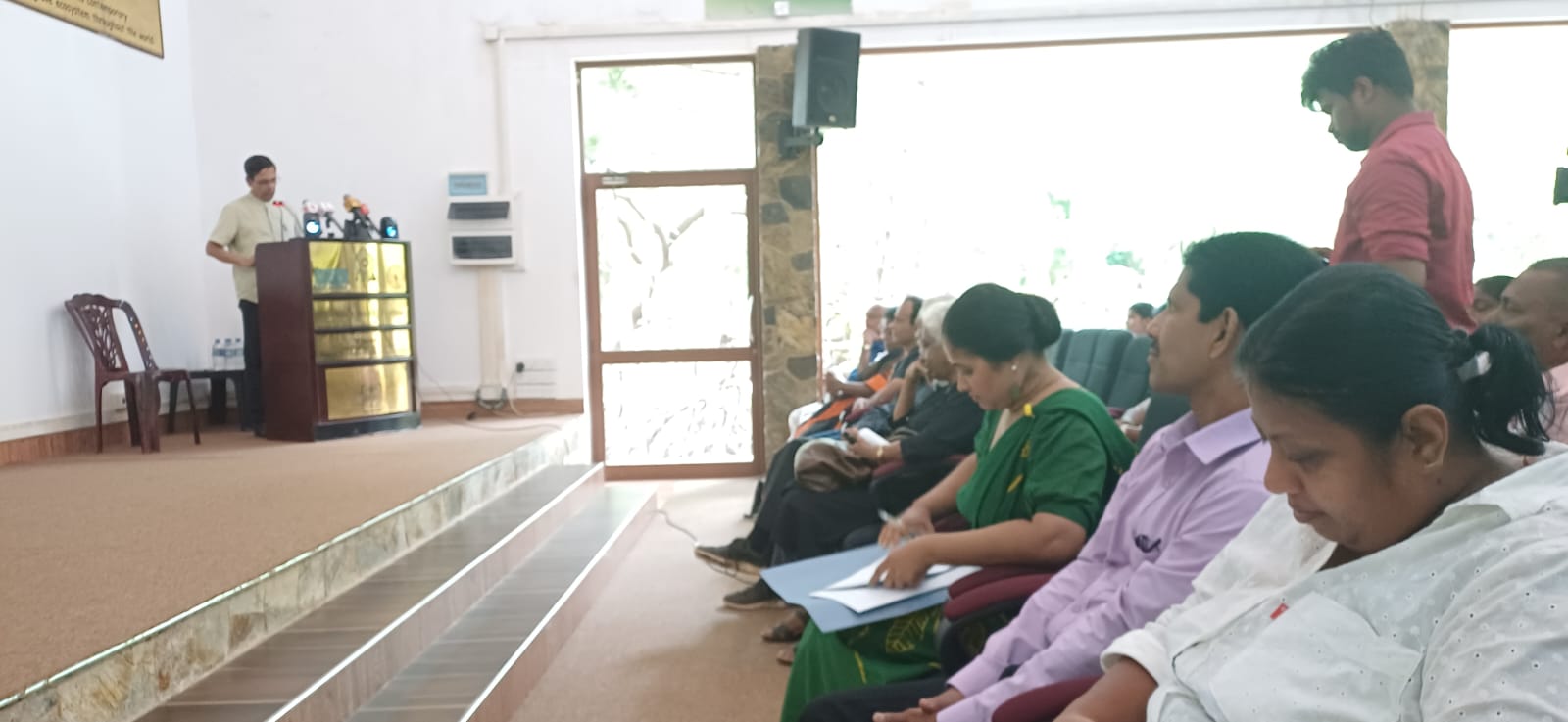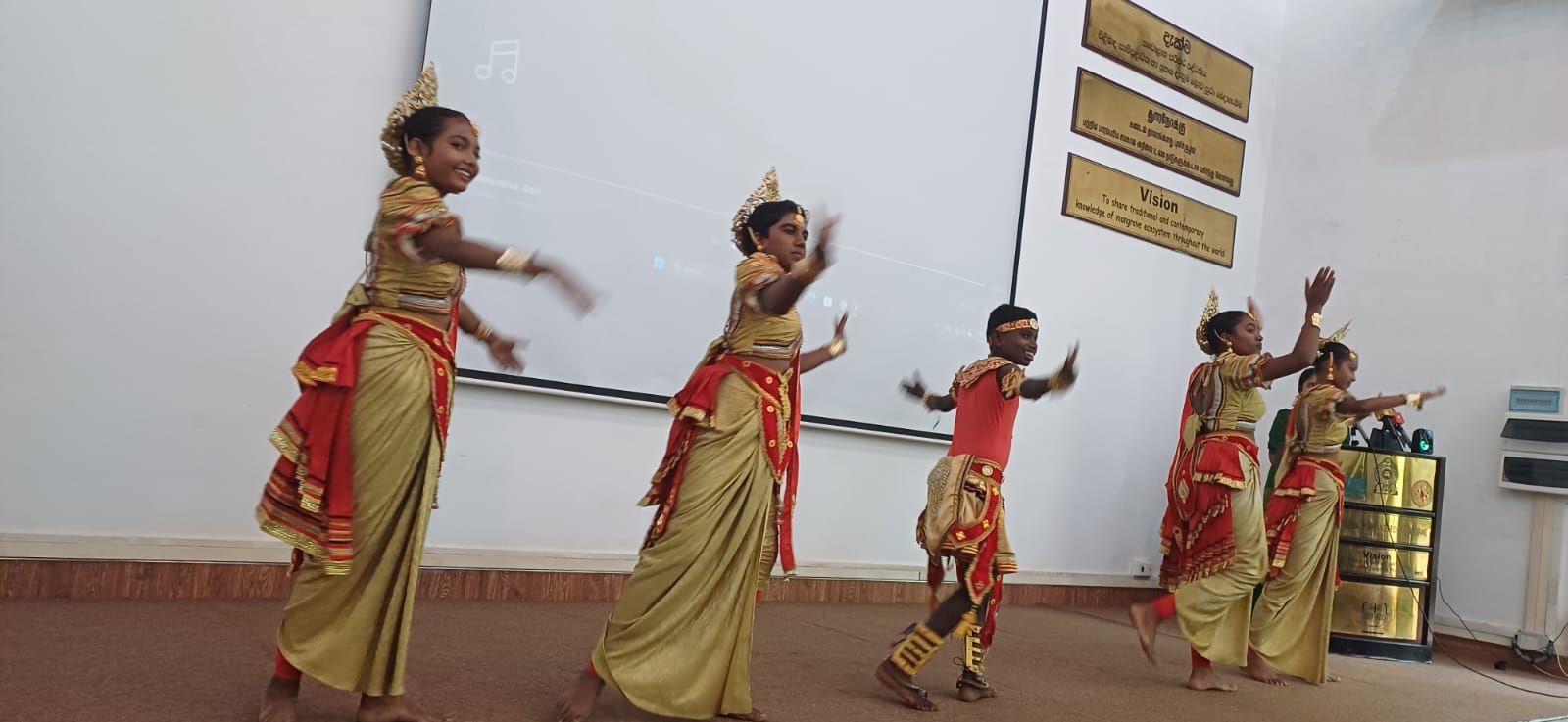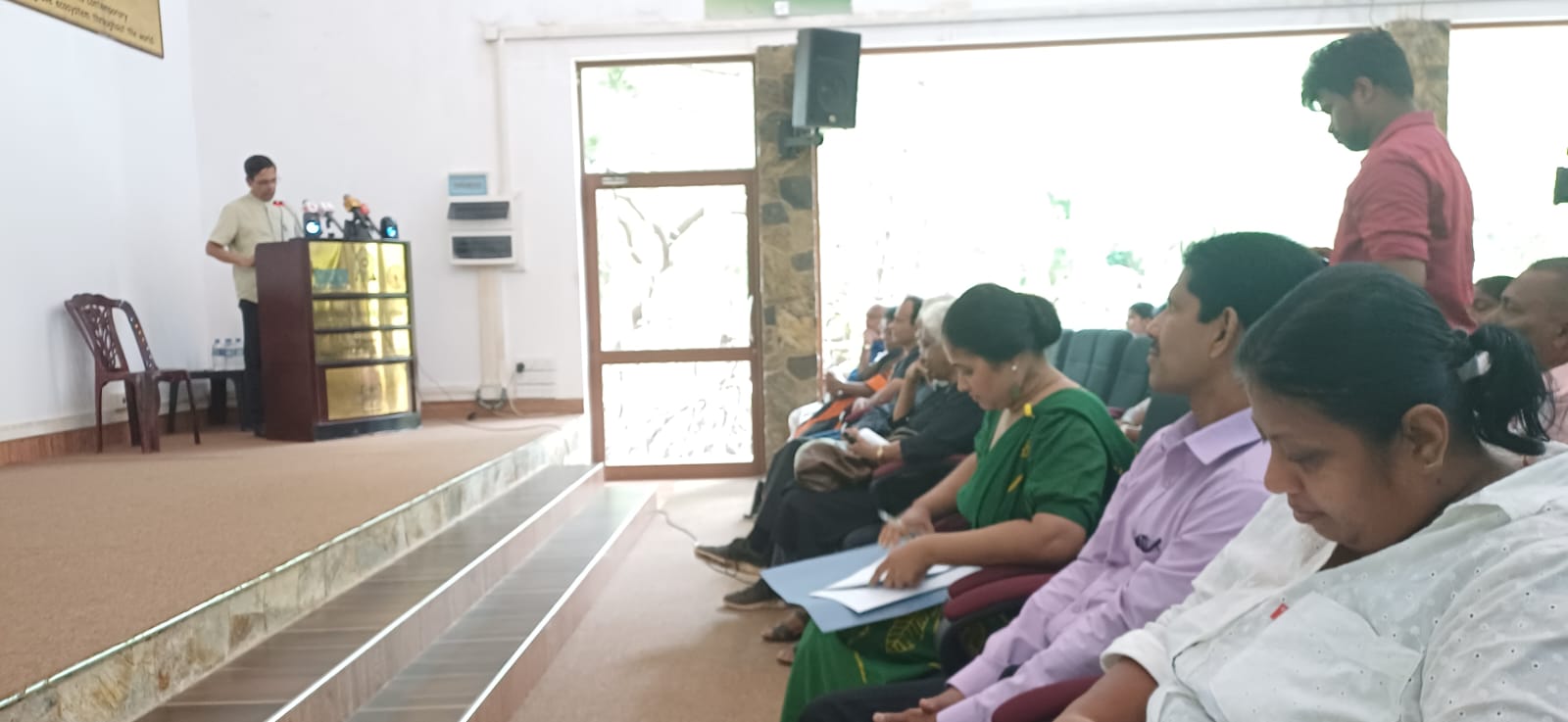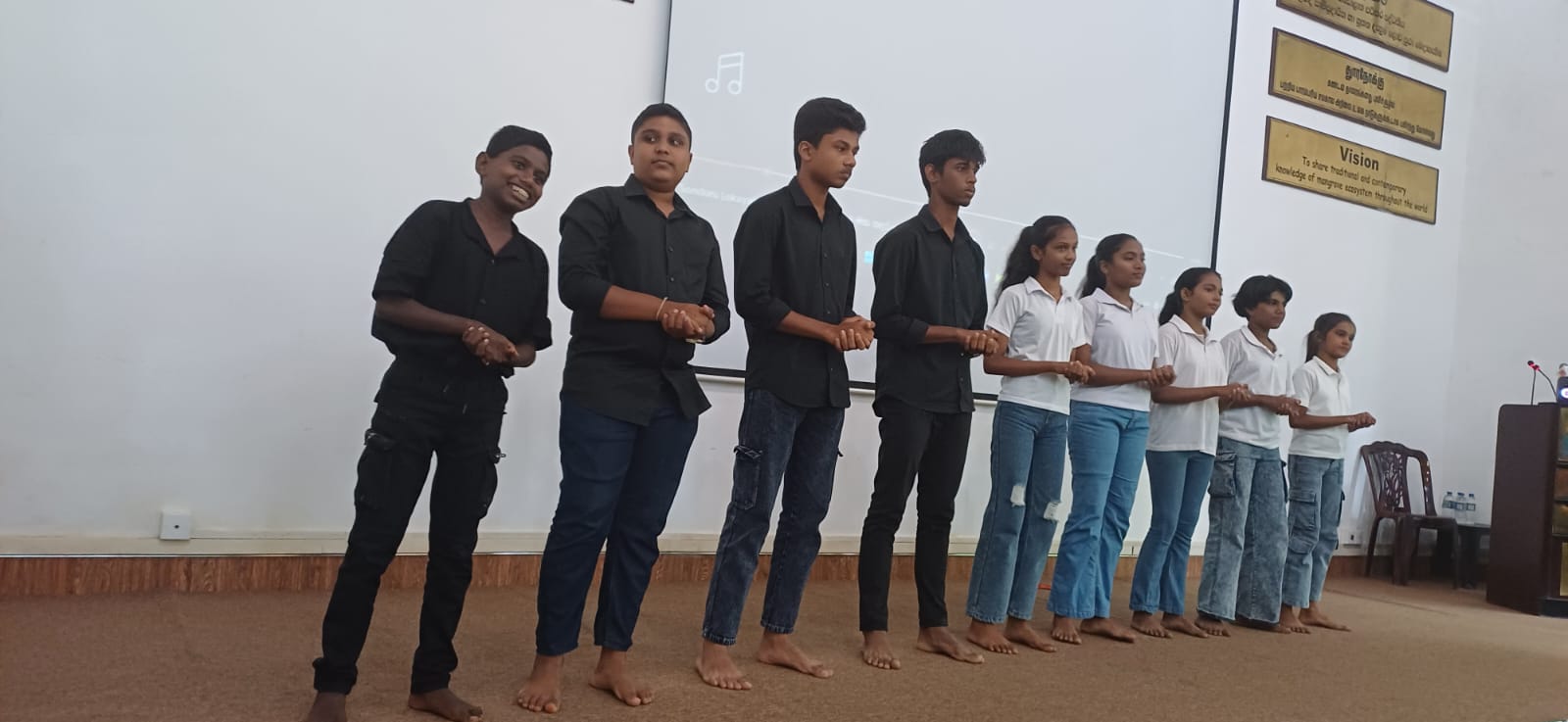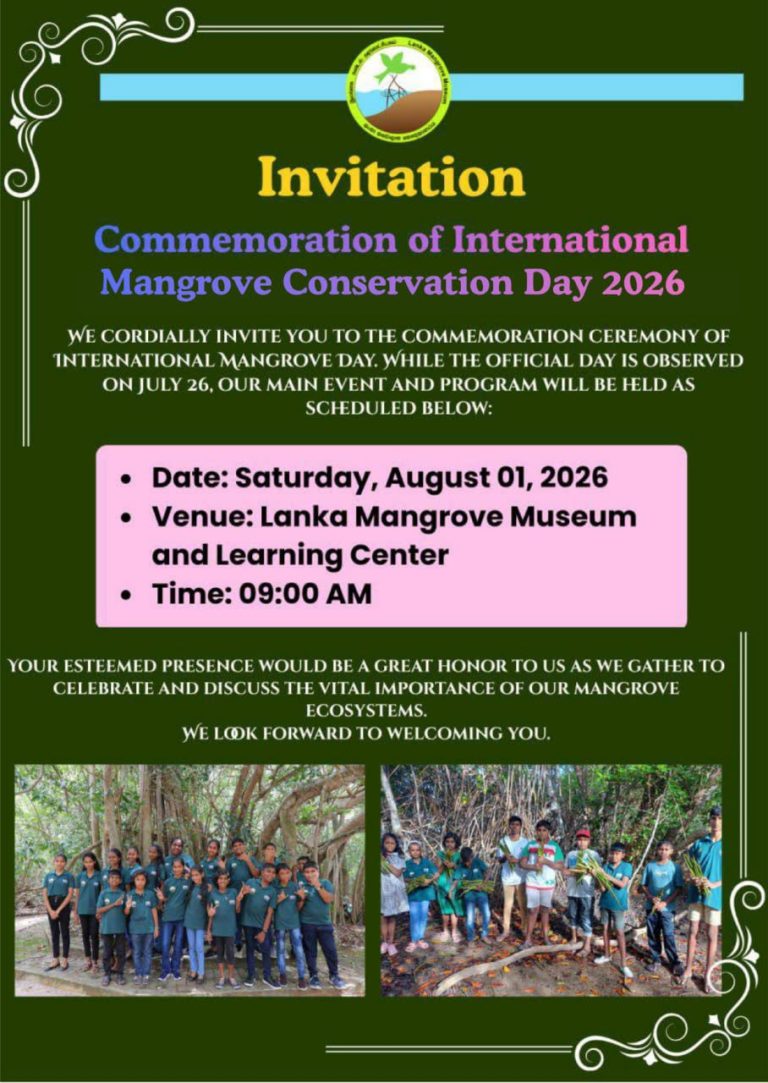
International Day for the Conservation of the Mangrove Ecosystem
Countdown is finished!
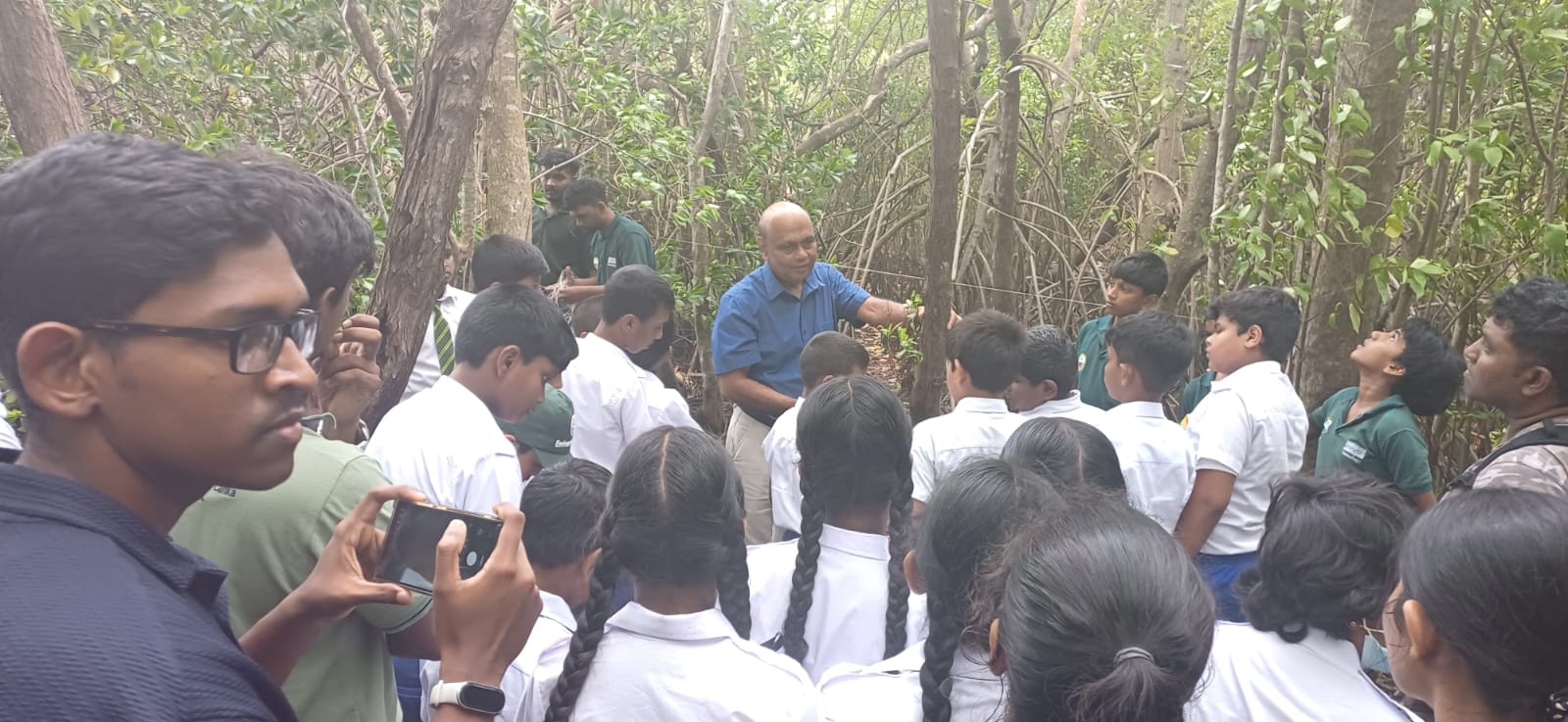
Mangroves are facing serious threats worldwide. It is believed that over 75% of global mangrove ecosystems are at risk, endangering not only the trees themselves but also the diverse aquatic and land-based species that rely on them for survival. Recognizing their ecological importance, UNESCO is actively working to safeguard these vital blue carbon habitats. Through its global networks—Biosphere Reserves, Global Geoparks, and natural World Heritage sites—UNESCO promotes conservation and sustainable management of mangroves and other critical coastal ecosystems.
- In May 2015, Sri Lanka became the first country to legally protect all its remaining mangroves—around 21,782 acres’
- The world’s first museum dedicated to mangroves is the Lanka Mangrove Museum, located in Sri Lanka.
History
World Mangrove Day is observed on July 26 every year to raise awareness about the vital role mangroves play in protecting our coasts and ecosystems. Sadly, since 1980, nearly 50% of the world’s mangrove forests have been lost, and in some regions, the loss exceeds 80%. Mangroves thrive along tropical and subtropical shorelines, where conditions are harsh—salty water, tidal flooding, and low oxygen in the soil. Only around 110 plant species are specially adapted to survive in such challenging environments, which is why true mangroves are rare. These trees grow with their roots exposed in complex, cage-like structures that not only anchor them against strong waves but also provide vital shelter and breeding grounds for fish, crabs, and other marine life.
Preserving mangrove ecosystems is critical—they protect coastlines from erosion, reduce the damage caused by storm surges and tsunamis, and play a key role in capturing carbon, helping to reduce the impact of climate change.World Mangrove Day is observed on July 26 every year to raise awareness about the vital role mangroves play in protecting our coasts and ecosystems. Sadly, since 1980, nearly 50% of the world’s mangrove forests have been lost, and in some regions, the loss exceeds 80%. Mangroves thrive along tropical and subtropical shorelines, where conditions are harsh—salty water, tidal flooding, and low oxygen in the soil. Only around 110 plant species are specially adapted to survive in such challenging environments, which is why true mangroves are rare. These trees grow with their roots exposed in complex, cage-like structures that not only anchor them against strong waves but also provide vital shelter and breeding grounds for fish, crabs, and other marine life. Preserving mangrove ecosystems is critical—they protect coastlines from erosion, reduce the damage caused by storm surges and tsunamis, and play a key role in capturing carbon, helping to reduce the impact of climate change.
World Mangrove Day is observed on July 26 every year to raise awareness about the vital role mangroves play in protecting our coasts and ecosystems. Sadly, since 1980, nearly 50% of the world’s mangrove forests have been lost, and in some regions, the loss exceeds 80%. Mangroves thrive along tropical and subtropical shorelines, where conditions are harsh—salty water, tidal flooding, and low oxygen in the soil. Only around 110 plant species are specially adapted to survive in such challenging environments, which is why true mangroves are rare. These trees grow with their roots exposed in complex, cage-like structures that not only anchor them against strong waves but also provide vital shelter and breeding grounds for fish, crabs, and other marine life. Preserving mangrove ecosystems is critical—they protect coastlines from erosion, reduce the damage caused by storm surges and tsunamis, and play a key role in capturing carbon, helping to reduce the impact of climate change.
💡 Why Mangroves Matter
Carbon sinks: Absorb up to five times more CO₂ per hectare than typical forests
Coastal defense: Buffers against tsunamis, floods, and erosion—showcased during the 2004 disaster
Biodiversity hotspots: Host mangroves like Sonneratia alba, Bruguiera gymnorhiza, Avicennia marina, and Nypa fruticans, supporting fish, crabs, birds, turtles, and more
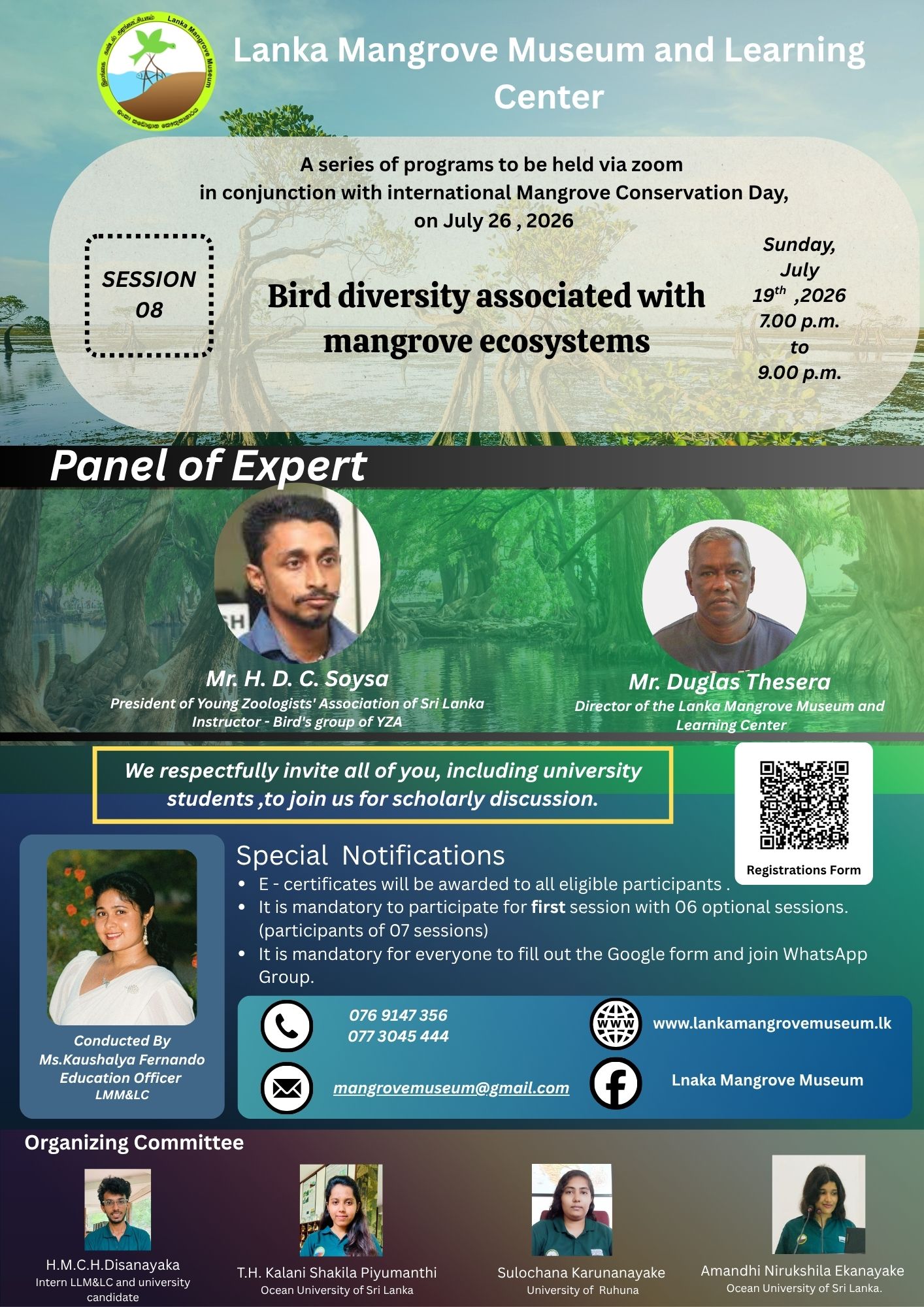
Mangrove Webinar Series 2026
Advancing Science, Conservation and Community Action for Mangrove Ecosystems
comprehensive learning pathway, Introduction to mangrove conservation, Mangrove ecology, Evolution of mangroves, Coastal vulnerability, Distribution and management, Carbon sequestration, Restoration ecology, Invasive species, Biodiversity, Climate resilience
E-Certificates will be awarded to registered participants who attend the mandatory opening session on 10 July and at least six additional webinar sessions. Attendance will be verified through Zoom participation records.
Session 01
Read More
Session 01
Read More
“Changing Motivations for Mangrove Conservation: Past and Present” Introduction to the Lanka Mangrove Museum and Learning Center and its role. Ms. P. D. Kaushalya Fernando, Education Officer, Lanka Mangrove Museum and Learning Center “Environmental Factors Affecting the Distribution of Mangrove Plants” A scientific research discourse conducted by E. M. Amandi Ekanayake of the Young Researchers’ Team of the Mangrove Museum and Learning Center “The Ecological Role of Mangrove Prop Roots in Supporting Marine Biodiversity”
- Phone:+1 (859) 254-6589
- Email:info@example.com
Session 02
Read More
Session 02
Read More
- Phone:+1 (859) 254-6589
- Email:info@example.com
Session 03
Read More
Session 03
Read More
- Phone:+1 (859) 254-6589
- Email:info@example.com
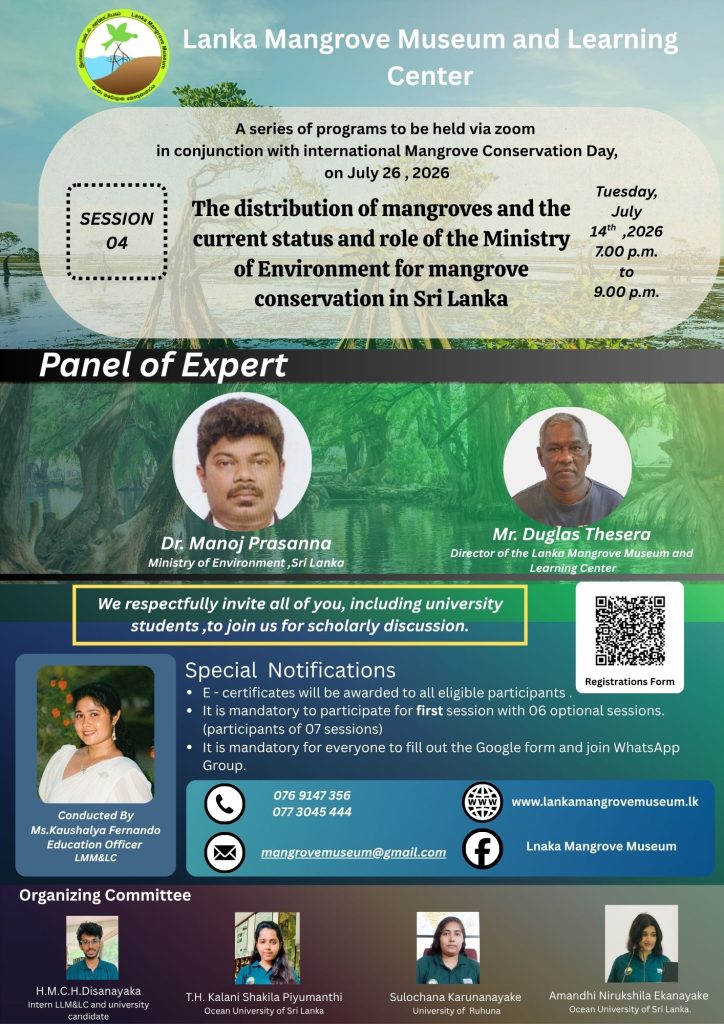
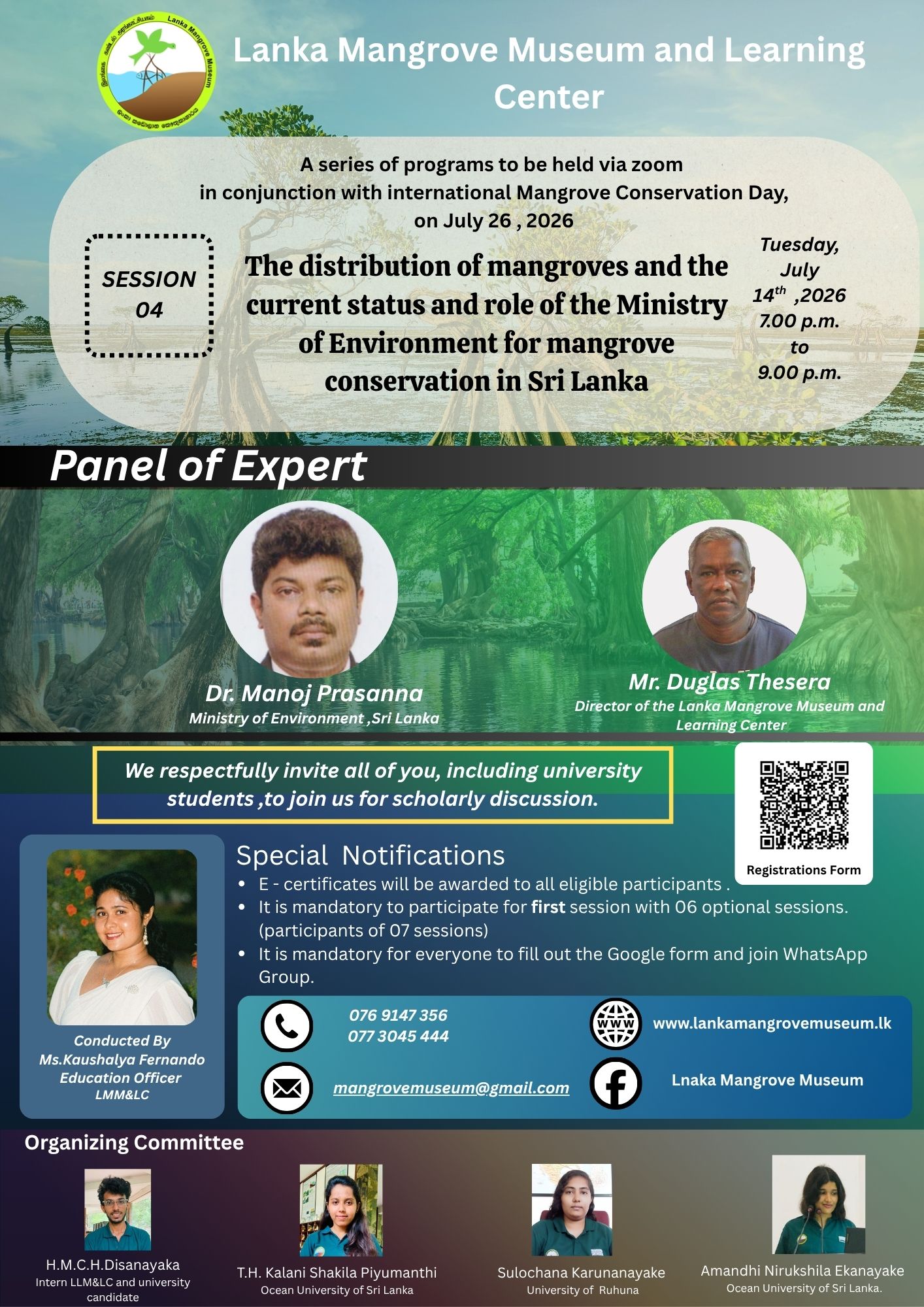
Session 04
Read More
Session 04
Read More
- Phone:+1 (859) 254-6589
- Email:info@example.com
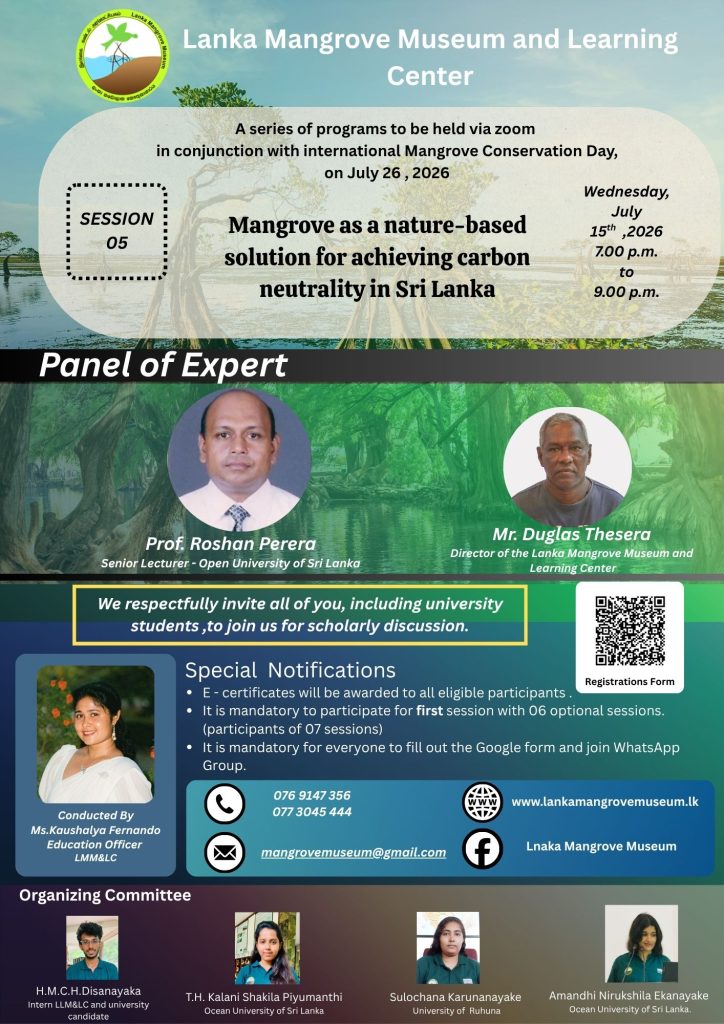
Session 05
Read More
Session 05
Read More
- Phone:+1 (859) 254-6589
- Email:info@example.com
Session 06
Read More
Session 06
Read More
- Phone:+1 (859) 254-6589
- Email:info@example.com
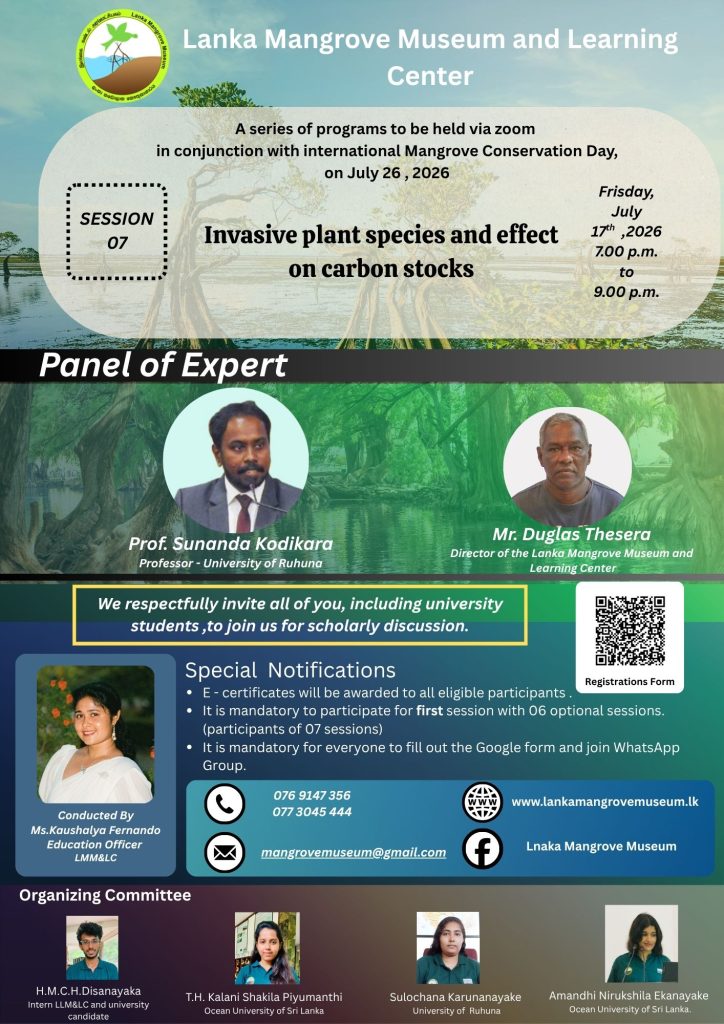
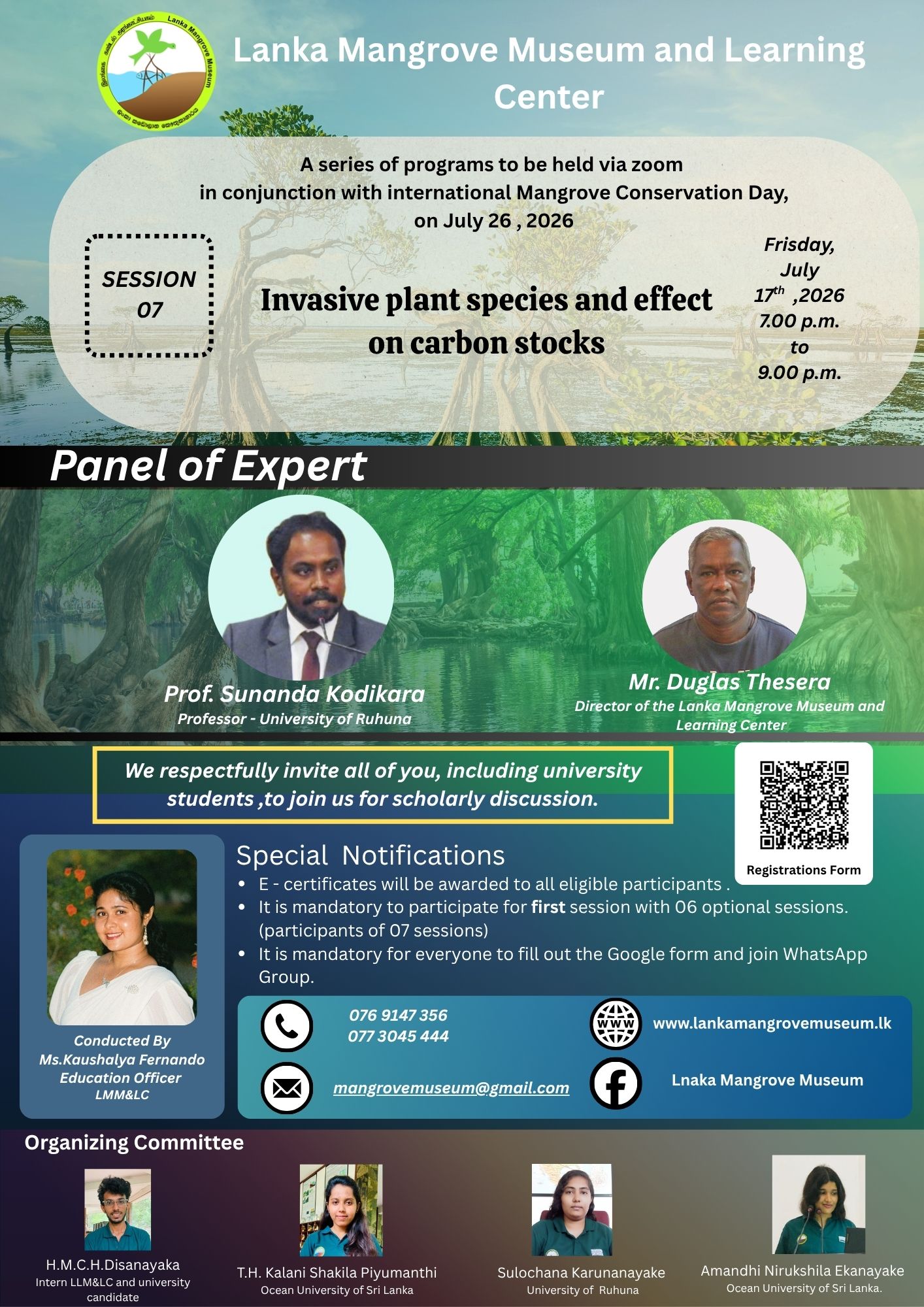
Session 07
Read More
Session 07
Read More
- Phone:+1 (859) 254-6589
- Email:info@example.com
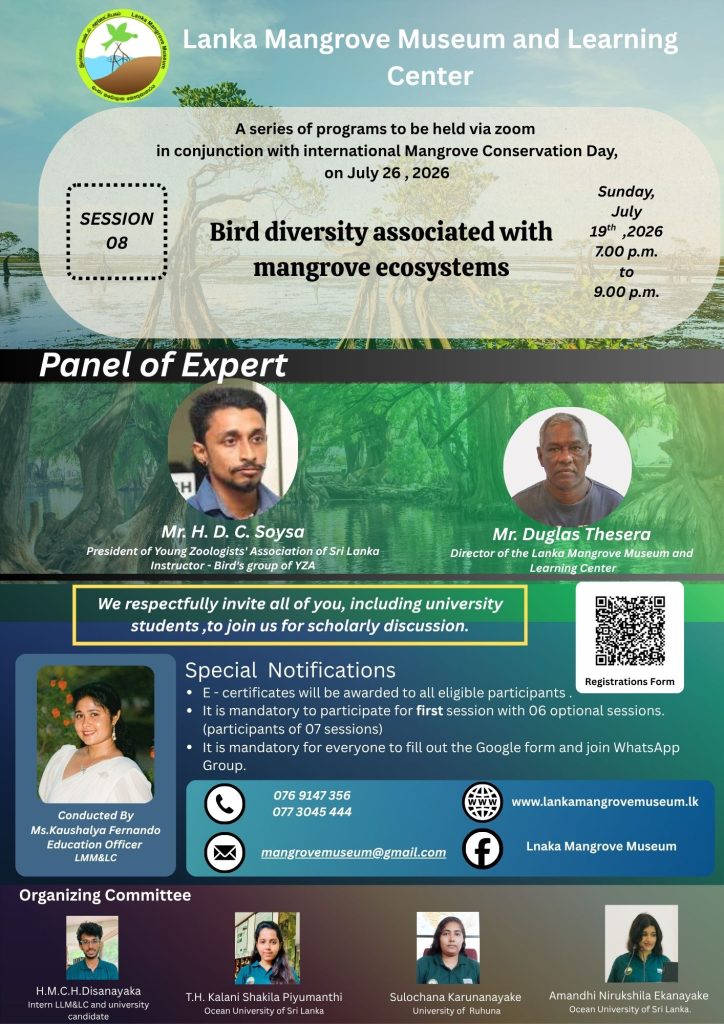
Session 08
Read More
Session 08
Read More
- Phone:+1 (859) 254-6589
- Email:info@example.com
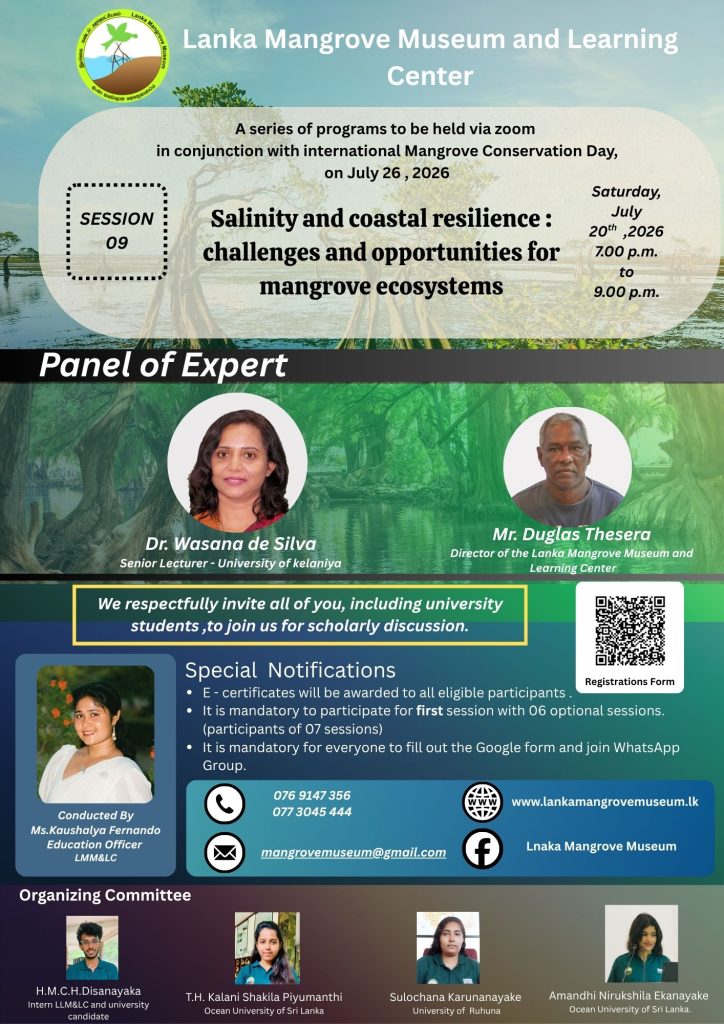
Session 09
Read More
Session 09
Read More
- Phone:+1 (859) 254-6589
- Email:info@example.com