2026

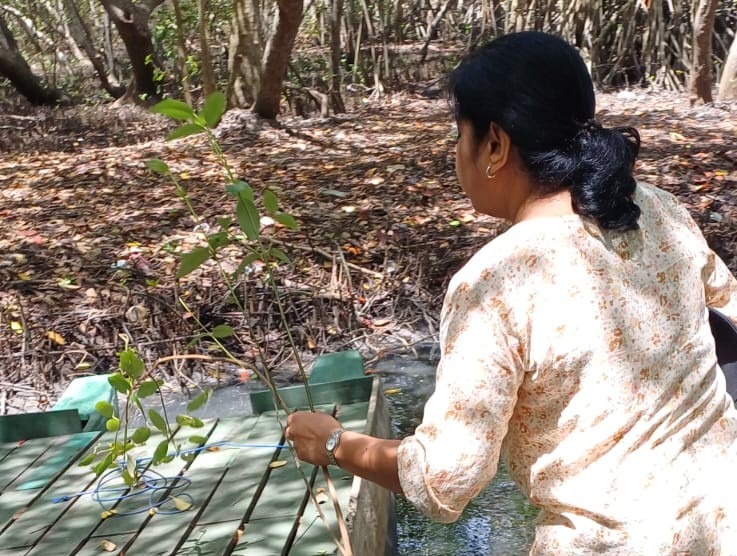
On 20th February 2026, the first research activity of the year was successfully conducted by the Young Research Circle (YRC) of the Lanka Mangrove Museum and Learning Center. The study focused on the topic “Assessing the Floral Diversity and Environmental Parameters.” The YRC members carried out field observations and collected data to identify mangrove plant species and examine key environmental factors influencing their growth and distribution.

First Research Initiative by YRC – 20th February 2026

First Research Initiative by YRC – 20th February 2026

On 20th February 2026, the first research activity of the year was successfully conducted by the Young Research Circle (YRC) of the Lanka Mangrove Museum and Learning Center.

The study focused on the topic “Assessing the Floral Diversity and Environmental Parameters.” The YRC members carried out field observations and collected data to identify mangrove plant species and examine key environmental factors influencing their growth and distribution.

This research activity provided valuable hands-on experience for young researchers while contributing to a deeper scientific understanding of the mangrove ecosystem. It also reflects the commitment of the YRC to promoting young-led environmental research and supporting sustainable conservation efforts.

First Research Initiative by YRC – 20th February 2026 Read More »

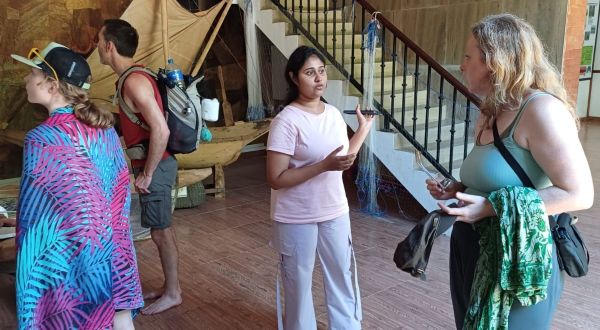
During their visit, the students explored the museum exhibits and gained valuable knowledge about the mangrove ecosystem and its importance. A special highlight of the visit was learning about traditional fishing gear used by local fishing communities. Through these exhibits, the students were able to understand how traditional methods are closely connected to the mangrove environment and how they support sustainable livelihoods.

Connecting Culture and Conservation: Student Visit to the Mangrove Learning Center

During their visit, the students explored the museum exhibits and gained valuable knowledge about the mangrove ecosystem and its importance. A special highlight of the visit was learning about traditional fishing gear used by local fishing communities. Through these exhibits, the students were able to understand how traditional methods are closely connected to the mangrove environment and how they support sustainable livelihoods.

Connecting Culture and Conservation: Student Visit to the Mangrove Learning Center Read More »

A lagoon is a shallow body of water that is partly or completely separated from the sea by obstacles like sand barriers, coral reefs, barrier islands or mangrove belts. Lagoons can be a huge biodiversity hotspot that includes various floral and faunal species. Some of them are mangroves, seagrasses, algae, planktons, fishes, crustateans, molluscs, birds and other fauna like plychaetes and crocodles. As a island country consisting of 14 coastal districts, Sri Lanka provides home for a plenty of lagoons- ex: Chillaw lagoon, Negombo lagoon, Batticolo lagoon, Koggala lagoon, Rekawa lagoon and etc…

An Ecological Stronghold : Mangroves of The Pambala-Chillaw Lagoon

A lagoon is a shallow body of water that is partly or completely separated from the sea by obstacles like sand barriers, coral reefs, barrier islands or mangrove belts. Lagoons can be a huge biodiversity hotspot that includes various floral and faunal species. Some of them are mangroves, seagrasses, algae, planktons, fishes, crustateans, molluscs, birds and other fauna like plychaetes and crocodles. As a island country consisting of 14 coastal districts, Sri Lanka provides home for a plenty of lagoons- ex: Chillaw lagoon, Negombo lagoon, Batticolo lagoon, Koggala lagoon, Rekawa lagoon and etc…

An Ecological Stronghold : Mangroves of The Pambala-Chillaw Lagoon Read More »

On 17th February 2026, the third group of pre-school children from the Chilaw Pradeshiya Sabha area visited the Lanka Mangrove Museum and Learning Center as part of the new education reforms aimed at nurturing environmental awareness from an early age.

Environmental Learning Journey – 3rd Group

Environmental Learning Journey – 3rd Group
On 17th February 2026, the third group of pre-school children from the Chilaw Pradeshiya Sabha area visited the Lanka Mangrove Museum and Learning Center as part of the new education reforms aimed at nurturing environmental awareness from an early age.

The young learners enthusiastically explored the museum exhibits and were introduced to the importance of mangrove ecosystems, biodiversity, and environmental conservation. Through guided sessions and interactive learning activities, the children gained valuable knowledge about protecting nature and understanding their role in safeguarding the environment.

This visit marked another successful step in integrating environmental education into early childhood learning, helping to shape a generation that is conscious, responsible, and committed to sustainable living.

Environmental Learning Journey – 3rd Group Read More »

In line with the new education reforms aimed at nurturing environmental awareness from an early age, the second group of preschool children from Shine Bird's visited the Lanka Mangrove Museum and Learning Center on 12th February 2026.

Environmental Learning Journey – 2nd Group

In line with the new education reforms aimed at nurturing environmental awareness from an early age, the second group of preschool children from Shine Bird’s visited the Lanka Mangrove Museum and Learning Center on 12th February 2026.

The visit provided the young learners with a valuable opportunity to experience nature beyond the classroom and develop an early connection with the environment. Through guided observation and interactive learning, the children were introduced to the importance of mangrove ecosystems and their role in protecting coastal biodiversity.

Such educational visits play a vital role in shaping environmentally responsible attitudes among children from a young age. By encouraging curiosity and appreciation for nature, these programs contribute to building a generation that values and actively participates in environmental conservation.

Environmental Learning Journey – 2nd Group Read More »

On 12th February 2026, two members of the Youth Research Circle (YRC) of the Lanka Mangrove Museum and Learning Center visited the site to conduct research on the topic “Biodiversity in a Natural Mangrove Forest.” Their visit focused on observing and documenting the rich variety of plant and animal life supported by the natural mangrove ecosystem. Mangrove forests are known for their unique biodiversity, providing habitat, food, and protection for numerous species, including fish, birds, crustaceans, and insects.

Youth Researchers Explore Mangrove Biodiversity

Mangrove Biodiversity, On 12th February 2026, two members of the Youth Research Circle (YRC) of the Lanka Mangrove Museum and Learning Center visited the site to conduct research on the topic “Biodiversity in a Natural Mangrove Forest.”

Their visit focused on observing and documenting the rich variety of plant and animal life supported by the natural mangrove ecosystem. Mangrove forests are known for their unique biodiversity, providing habitat, food, and protection for numerous species, including fish, birds, crustaceans, and insects.

Youth Researchers Explore Mangrove Biodiversity Read More »

As part of the new education reforms aimed at familiarizing children with the environment, the Halawatha Pradeshiya Sabha area has selected the Lanka Mangrove Museum as a learning site for environmental studies programs for preschool children.

School Children Begin Environmental Learning Journey at the Lanka Mangrove Museum

As part of the new education reforms aimed at familiarizing children with the environment, the Halawatha Pradeshiya Sabha area has selected the Lanka Mangrove Museum as a learning site for environmental studies programs for preschool children.

Accordingly, the first group visited the museum today. During their visit, the children were shown environmental awareness videos and were given a three-hour hands-on experience within the museum premises, allowing them to observe, explore, and enjoy the natural environment in a meaningful and engaging way. School Children Begin Environmental Learning Journey at the Lanka Mangrove Museum

School Children Begin Environmental Learning Journey at the Lanka Mangrove Museum Read More »

Mangrove-associated fisheries play a vital role in the livelihood and food security of coastal communities living around lagoon ecosystems. The complex root systems of mangrove trees provide shelter, feeding grounds, and nursery habitats for a wide range of aquatic species, including fish, crabs, and shrimp, making mangrove areas highly productive fishing zones. In the lagoon environment, fishers harvest a variety of species using traditional and small-scale methods such noodling, traps, kemana, and brush-pile-based techniques. Juvenile and adult fish use the submerged mangrove roots for protection from predators and as feeding grounds, making these areas important locations for artisanal fish catches. Crabs, especially mangrove and lagoon crab species, thrive among prop roots where they feed, hide, and molt. During low tide, many are caught by hand or using simple traps placed near root clusters. Similarly, shrimp species rely on mangrove detritus and nutrient-rich waters for growth. Their abundance in channels and root zones supports seasonal shrimp collection using nets and traditional gear. Overall, mangrove-associated fishing forms a tightly linked socio-ecological system where the health of the mangrove habitat directly influences the availability of lagoon fish, crabs, and shrimp. Protecting mangroves ensures the sustainability of these fisheries while supporting the cultural traditions and livelihoods of lagoon-dependent communities.

Sri Lanka’s lagoon fishing industry ශ්‍රීලංකාවේ කලපු ධීවර කර්මාන්තය

Sri Lanka’s lagoon fishing industry ශ්‍රීලංකාවේ කලපු ධීවර කර්මාන්තය Mangrove-associated fisheries play a vital role in the livelihood and food security of coastal communities living around lagoon ecosystems. The complex root systems of mangrove trees provide shelter, feeding grounds, and nursery habitats for a wide range of aquatic species, including fish, crabs, and shrimp, making mangrove areas highly productive fishing zones.
In the lagoon environment, fishers harvest a variety of species using traditional and small-scale methods such noodling, traps, kemana, and brush-pile-based techniques. Juvenile and adult fish use the submerged mangrove roots for protection from predators and as feeding grounds, making these areas important locations for artisanal fish catches.
Crabs, especially mangrove and lagoon crab species, thrive among prop roots where they feed, hide, and molt. During low tide, many are caught by hand or using simple traps placed near root clusters. Similarly, shrimp species rely on mangrove detritus and nutrient-rich waters for growth. Their abundance in channels and root zones supports seasonal shrimp collection using nets and traditional gear.
Overall, mangrove-associated fishing forms a tightly linked socio-ecological system where the health of the mangrove habitat directly influences the availability of lagoon fish, crabs, and shrimp. Protecting mangroves ensures the sustainability of these fisheries while supporting the cultural traditions and livelihoods of lagoon-dependent communities.

Sri Lanka’s lagoon fishing industry ශ්‍රීලංකාවේ කලපු ධීවර කර්මාන්තය Read More »

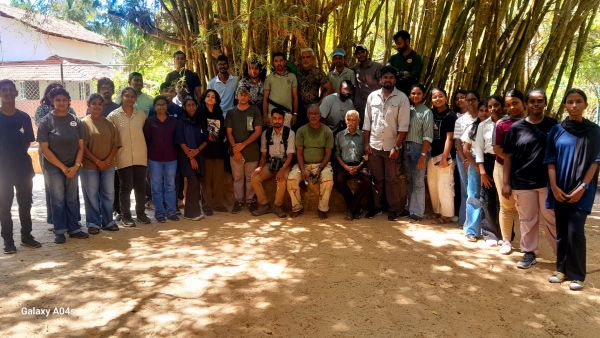
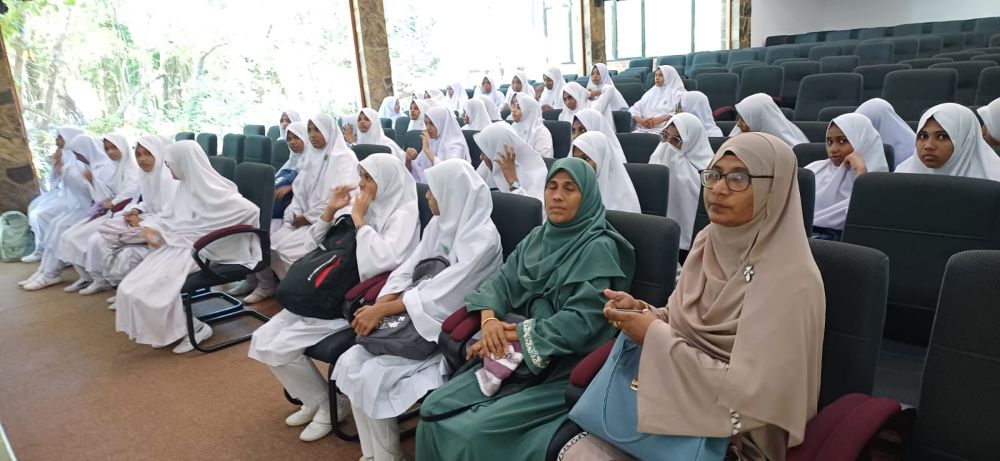
On 20 January 2026, students from the Dankotuwa Nenasa Education Center visited the Lanka Mangrove Museum and Learning Center to participate in an environmental awareness programme. During the visit, the students were introduced to the importance of mangrove ecosystems, their role in protecting coastal areas, supporting biodiversity, and maintaining environmental balance. Through interactive discussions and educational explanations, the programme aimed to build awareness and appreciation of mangroves among young learners.

Awareness Programme for Students from Dankotuwa Nenasa Education Center

On 20 January 2026, students from the Dankotuwa Nenasa Education Center visited the Lanka Mangrove Museum and Learning Center to participate in an environmental awareness programme.

During the visit, the students were introduced to the importance of mangrove ecosystems, their role in protecting coastal areas, supporting biodiversity, and maintaining environmental balance. Through interactive discussions and educational explanations, the programme aimed to build awareness and appreciation of mangroves among young learners.

Awareness Programme for Students from Dankotuwa Nenasa Education Center Read More »

Scroll to Top