January 20, 2026

On 20 January 2026, students from the Dankotuwa Nenasa Education Center visited the Lanka Mangrove Museum and Learning Center to participate in an environmental awareness programme. During the visit, the students were introduced to the importance of mangrove ecosystems, their role in protecting coastal areas, supporting biodiversity, and maintaining environmental balance. Through interactive discussions and educational explanations, the programme aimed to build awareness and appreciation of mangroves among young learners.

Awareness Programme for Students from Dankotuwa Nenasa Education Center

On 20 January 2026, students from the Dankotuwa Nenasa Education Center visited the Lanka Mangrove Museum and Learning Center to participate in an environmental awareness programme.

During the visit, the students were introduced to the importance of mangrove ecosystems, their role in protecting coastal areas, supporting biodiversity, and maintaining environmental balance. Through interactive discussions and educational explanations, the programme aimed to build awareness and appreciation of mangroves among young learners.

Awareness Programme for Students from Dankotuwa Nenasa Education Center Read More »
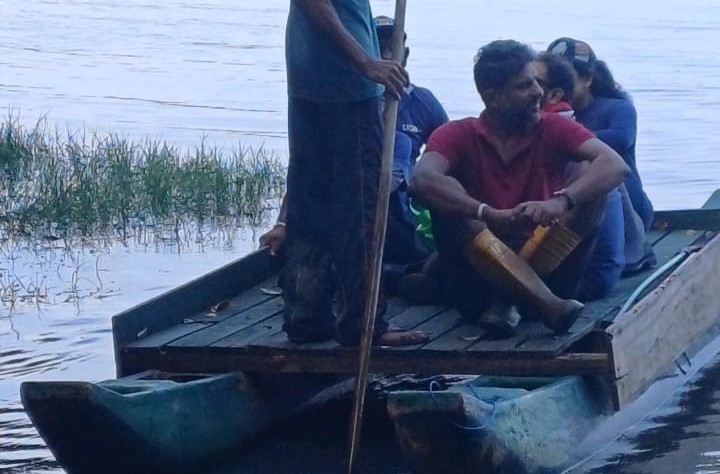
On 20 January 2026, postgraduate student N. K. Abeyasinghe, along with her research team from the University of Ruhuna, visited the Lanka Mangrove Museum and Learning Center to carry out field research in the Pambala Lagoon area. This research is conducted under the supervision of Prof. Sunanda Kodikara, a respected academic and one of the scientific members of the Museum. During the visit, the research team engaged in data collection and field observations related to mangrove ecosystems, with the full support and guidance of the museum staff. As always, the Museum Director and staff extended their assistance by facilitating access to research sites, sharing local knowledge, and ensuring a productive field experience for the students.

Future Mangrove Conservators through Academic Research

On 20 January 2026, postgraduate student N. K. Abeyasinghe, along with her research team from the University of Ruhuna, visited the Lanka Mangrove Museum and Learning Center to carry out field research in the Pambala Lagoon area. This research is conducted under the supervision of Prof. Sunanda Kodikara, a respected academic and one of the scientific members of the Museum.

During the visit, the research team engaged in data collection and field observations related to mangrove ecosystems, with the full support and guidance of the museum staff. As always, the Museum Director and staff extended their assistance by facilitating access to research sites, sharing local knowledge, and ensuring a productive field experience for the students.

Future Mangrove Conservators through Academic Research Read More »

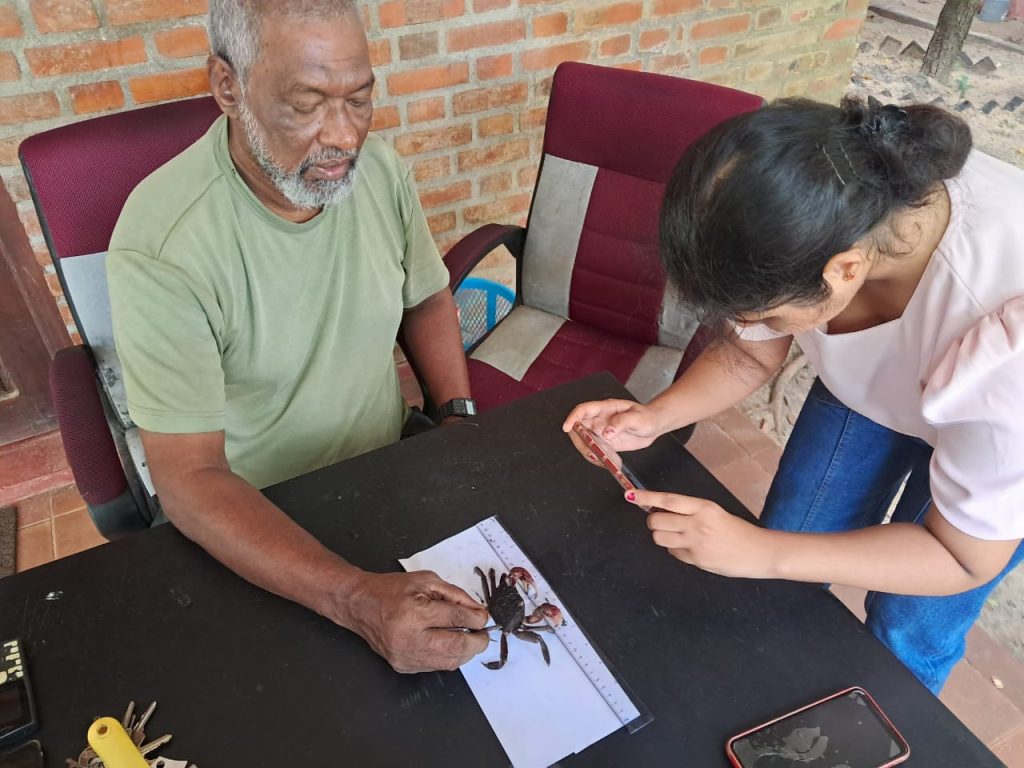
On 17 January, the Education Officer of the Lanka Mangrove Museum and Learning Center, with the support of the museum staff and guidance of the Museum Director, conducted an important field research activity at the Chilaw–Pambala mangrove sites. The research focused on the collection of data related to the abundance and density of crab species within the mangrove ecosystem. During the study, systematic field methods were used to observe and record the presence of crabs across selected mangrove areas. This data collection is essential for understanding species distribution, population levels, and the overall health of the mangrove habitat, as crabs play a key role in nutrient cycling and soil aeration within these ecosystems.

Field Research on Crab Abundance and Density in the Pambala Mangrove Ecosystem

Field Research on Crab Abundance and Density in the Pambala Mangrove Ecosystem On 17 January, the Education Officer of the Lanka Mangrove Museum and Learning Center, with the support of the museum staff and guidance of the Museum Director, conducted an important field research activity at the Chilaw–Pambala mangrove sites. The research focused on the

Field Research on Crab Abundance and Density in the Pambala Mangrove Ecosystem Read More »

On 17 January 2026, members of the “Together With Mangroves” Children and Youth Environmental Society participated in their routine Saturday session at the Lanka Mangrove Museum and Learning Center. The programme was designed to combine learning, creativity, and hands-on experience, fostering a deeper understanding of nature and conservation among young participants.

Nurturing Young Environmental Stewards through Education and Field Experience

On 17 January 2026, members of the “Together With Mangroves” Children and Youth Environmental Society participated in their routine Saturday session at the Lanka Mangrove Museum and Learning Center. The programme was designed to combine learning, creativity, and hands-on experience, fostering a deeper understanding of nature and conservation among young participants.

The day began with a study programme focused on environmental awareness, tailored to suit different age groups. Following this session, an art contest was organized for children under five years of age, encouraging them to express their understanding of nature and mangroves through creativity.

Nurturing Young Environmental Stewards through Education and Field Experience Read More »

On 17 January 2026, a research student visited the Lanka Mangrove Museum and Learning Center to collect field data as part of an academic study focused on mangrove ecosystems in Sri Lanka. The research aims to identify and analyze the differences between mangrove species found in the Negombo and Chilaw areas. During the visit, the student conducted detailed measurements of key physical characteristics of mangrove trees, including leaf length and size, tree height, and trunk diameter. These measurements are essential for understanding how mangroves adapt to different environmental conditions in each location.

Research Study on Mangrove Variations Between Negombo and Chilaw

On 17 January 2026, a research student visited the Lanka Mangrove Museum and Learning Center to collect field data as part of an academic study focused on mangrove ecosystems in Sri Lanka. The research aims to identify and analyze the differences between mangrove species found in the Negombo and Chilaw areas.

During the visit, the student conducted detailed measurements of key physical characteristics of mangrove trees, including leaf length and size, tree height, and trunk diameter. These measurements are essential for understanding how mangroves adapt to different environmental conditions in each location.

The study also seeks to identify the reasons behind these observed differences, examining factors such as salinity levels, soil conditions, water availability, and other ecological influences that affect mangrove growth and structure. By comparing data from Negombo and Chilaw, the research hopes to highlight how local environmental conditions drive specific adaptations in mangrove species. Research Study on Mangrove Variations Between Negombo and Chilaw

Research Study on Mangrove Variations Between Negombo and Chilaw Read More »

Scroll to Top