Research Study on Mangrove Variations Between Negombo and Chilaw
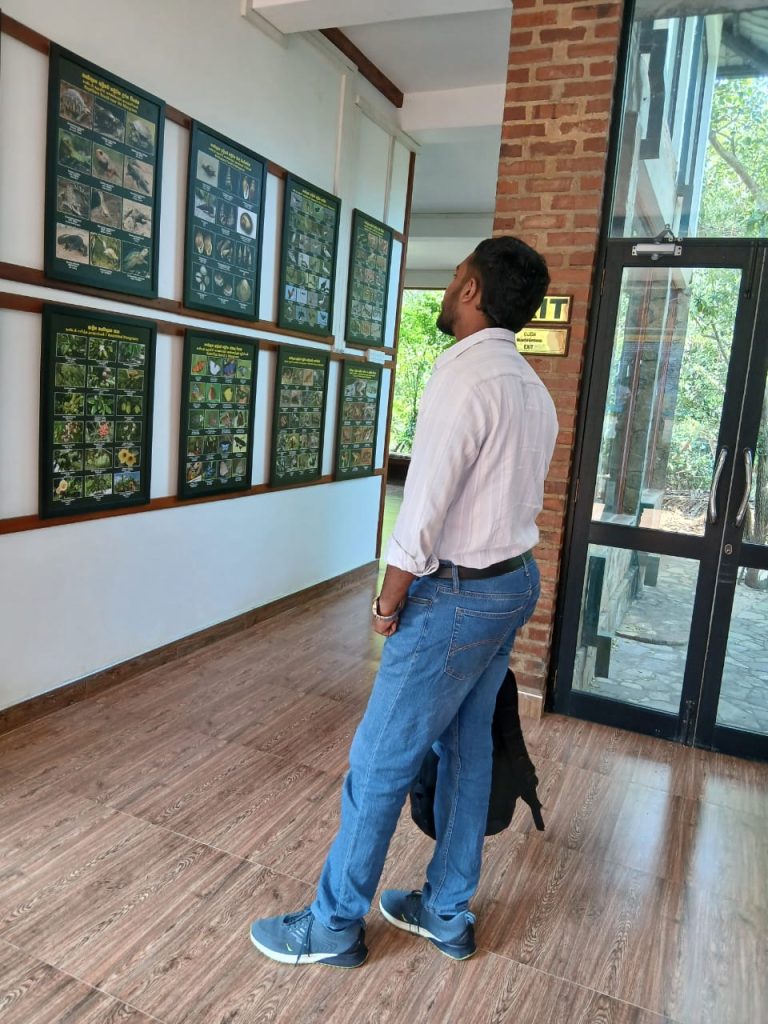
On 17 January 2026, a research student visited the Lanka Mangrove Museum and Learning Center to collect field data as part of an academic study focused on mangrove ecosystems in Sri Lanka. The research aims to identify and analyze the differences between mangrove species found in the Negombo and Chilaw areas.
During the visit, the student conducted detailed measurements of key physical characteristics of mangrove trees, including leaf length and size, tree height, and trunk diameter. These measurements are essential for understanding how mangroves adapt to different environmental conditions in each location.
The study also seeks to identify the reasons behind these observed differences, examining factors such as salinity levels, soil conditions, water availability, and other ecological influences that affect mangrove growth and structure. By comparing data from Negombo and Chilaw, the research hopes to highlight how local environmental conditions drive specific adaptations in mangrove species.
The Lanka Mangrove Museum and Learning Center continues to support academic research by providing access to field sites, guidance, and educational resources. Such research initiatives contribute valuable scientific knowledge and strengthen efforts toward mangrove conservation and sustainable coastal ecosystem management in Sri Lanka.