2026

Turbinaria sp., commonly known as scroll coral, cup coral, or pagoda coral, is a genus of colonial stony corals widely distributed across the Indo-Pacific region. These corals are recognized for their unique cup-shaped, scroll-like, or plate-forming structures, which often resemble vases, funnels, or layered formations.

Turbinaria Coral – The Scroll Builders of the Reef

Turbinaria sp., commonly known as scroll coral, cup coral, or pagoda coral, is a genus of colonial stony corals widely distributed across the Indo-Pacific region. These corals are recognized for their unique cup-shaped, scroll-like, or plate-forming structures, which often resemble vases, funnels, or layered formations.

The Scroll Builders of the Reef

Turbinaria Coral – The Scroll Builders of the Reef Read More »

Acropora is a genus of small polyp stony coral in the phylum Cnidaria. Some of its species are known as table coral, elkhorn coral, and staghorn coral. Acropora species are some of the major reef corals responsible for building the immense calcium carbonate substructure that supports the thin living skin of a reef. Acropora sp. is commonly found in shallow reef environments that are bright and have moderate to high water motion. Acropora corals are commonly called "staghorn coral," and some colonies with flat tops are called "table coral." Besides the differences in the overall shape of the colony, the branches are usually cylindrical with corallites surrounding them. A corallite is a tiny cup about 0.5 cm in diameter. A distinctive feature of this species is the axial corallite, which is larger than the other corallites. It grows upward at the tip of the branch, while new corallites bud along its sides. The base of the coral attaches to rock or a plug and encrusts to increase stability. From this base, new branches can also grow outward. Acropora Coral – The Architects of Coral Reefs

Acropora Coral – The Architects of Coral Reefs

Acropora is a genus of small polyp stony coral in the phylum Cnidaria. Some of its species are known as table coral, elkhorn coral, and staghorn coral. Acropora species are some of the major reef corals responsible for building the immense calcium carbonate substructure that supports the thin living skin of a reef. Acropora sp. is commonly found in shallow reef environments that are bright and have moderate to high water motion. Acropora corals are commonly called “staghorn coral,” and some colonies with flat tops are called “table coral.” Besides the differences in the overall shape of the colony, the branches are usually cylindrical with corallites surrounding them. A corallite is a tiny cup about 0.5 cm in diameter. A distinctive feature of this species is the axial corallite, which is larger than the other corallites. It grows upward at the tip of the branch, while new corallites bud along its sides. The base of the coral attaches to rock or a plug and encrusts to increase stability. From this base, new branches can also grow outward. Acropora Coral – The Architects of Coral Reefs

Acropora Coral – The Architects of Coral Reefs Read More »

On 27th March 2026, a group of preschool children from the Nattandiya Pradeshiya Sabha visited the Lanka Mangrove Museum. The young visitors had a wonderful opportunity to explore the exhibits and learn about the importance of mangrove ecosystems in a fun and engaging way. During their visit, the children were introduced to the unique features of mangroves, their role in protecting coastal environments, and the importance of conserving these valuable ecosystems. The interactive sessions and guided explanations helped spark curiosity and environmental awareness among the children.

Visit of Preschool Children from Nattandiya Pradeshiya Sabha

Visit of Preschool Children from Nattandiya Pradeshiya Sabha – 27.03.2026 On 27th March 2026, a group of preschool children from the Nattandiya Pradeshiya Sabha visited the Lanka Mangrove Museum. The young visitors had a wonderful opportunity to explore the exhibits and learn about the importance of mangrove ecosystems in a fun and engaging way. During

Visit of Preschool Children from Nattandiya Pradeshiya Sabha Read More »

A student from Gampaha Wickramarachchi University of Indigenous Medicine recently conducted a research study at the Lanka Mangrove Museum and Learning Center, focusing on the use of mangrove plant parts in Ayurvedic medicine. The study aimed to explore the medicinal properties of different mangrove species and their potential applications in traditional healing practices. Mangroves are known to possess various bioactive compounds that can be used in treating a range of ailments, making them valuable resources in Ayurveda.

Research on Mangrove-Based Ayurvedic Medicine

A student from Gampaha Wickramarachchi University of Indigenous Medicine recently conducted a research study at the Lanka Mangrove Museum and Learning Center, focusing on the use of mangrove plant parts in Ayurvedic medicine.

The study aimed to explore the medicinal properties of different mangrove species and their potential applications in traditional healing practices. Mangroves are known to possess various bioactive compounds that can be used in treating a range of ailments, making them valuable resources in Ayurveda.

Research on Mangrove-Based Ayurvedic Medicine Read More »

On March 23, 2026, a group of students from Ocean University visited the Lanka Mangrove Museum and Learning Center for an educational experience focused on environmental conservation. During their visit, the students explored the museum exhibits, gaining valuable insights into the ecological importance of mangrove ecosystems. They learned how mangroves contribute to coastal protection, support biodiversity, and play a vital role in carbon storage.

University Students Explore Mangrove Conservation

On March 23, 2026, a group of students from Ocean University visited the Lanka Mangrove Museum and Learning Center for an educational experience focused on environmental conservation.

During their visit, the students explored the museum exhibits, gaining valuable insights into the ecological importance of mangrove ecosystems. They learned how mangroves contribute to coastal protection, support biodiversity, and play a vital role in carbon storage.

The session also highlighted the ongoing conservation efforts carried out by the museum and the importance of protecting these unique ecosystems for future generations. The students actively engaged with the learning materials and showed great interest in understanding the scientific and environmental aspects of mangroves.

Such visits continue to strengthen awareness among university students, encouraging them to become responsible stewards of the environment and advocates for sustainable practices.

University Students Explore Mangrove Conservation Read More »

On 18th March 2026, a group of visitors from Korea visited the Mangrove Museum and Learning Center. The delegation showed great interest in the unique mangrove ecosystem and its ecological importance. During their visit, the group explored the museum exhibits, gaining valuable insights into mangrove biodiversity, conservation practices, and the role mangroves play in protecting coastal environments. They also learned about the ongoing conservation efforts and community-based initiatives carried out by the center.

Visit of a Korean Delegation to the Mangrove Museum

Visit of a Korean Delegation to the Mangrove Museum

On 18th March 2026, a group of visitors from Korea visited the Mangrove Museum and Learning Center. The delegation showed great interest in the unique mangrove ecosystem and its ecological importance.

During their visit, the group explored the museum exhibits, gaining valuable insights into mangrove biodiversity, conservation practices, and the role mangroves play in protecting coastal environments. They also learned about the ongoing conservation efforts and community-based initiatives carried out by the center.

Visit of a Korean Delegation to the Mangrove Museum Read More »

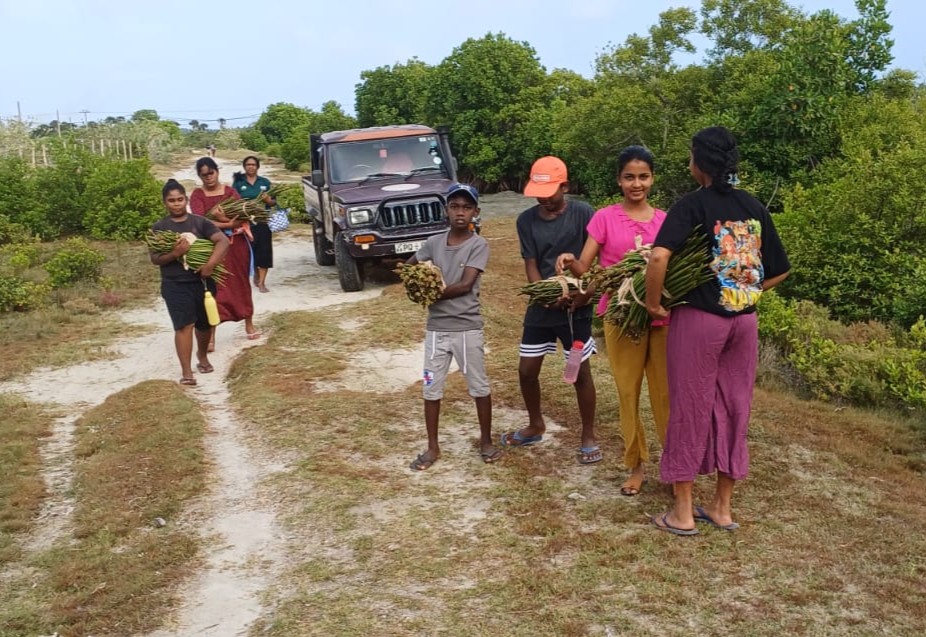
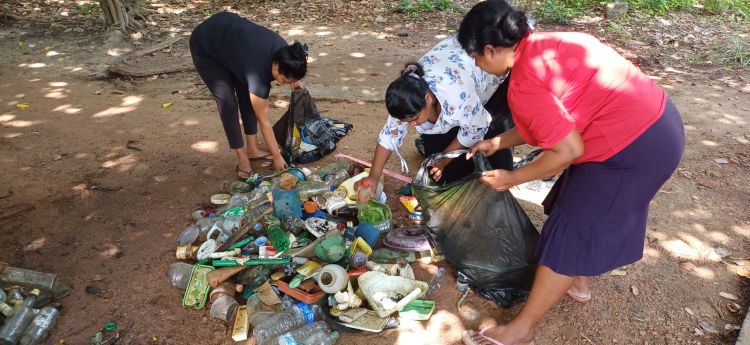
On 14th March 2026, a community clean-up initiative was organized to restore the mangrove environment following the impact of a cyclone and subsequent flooding. The adverse weather conditions had carried large amounts of polythene and plastic waste into the mangrove ecosystem, posing a serious threat to its delicate biodiversity.

Protecting Mangroves After the Storm: A Community Effort

Protecting Mangroves After the Storm: A Community Effort

On 14th March 2026, a community clean-up initiative was organized to restore the mangrove environment following the impact of a cyclone and subsequent flooding. The adverse weather conditions had carried large amounts of polythene and plastic waste into the mangrove ecosystem, posing a serious threat to its delicate biodiversity.

Protecting Mangroves After the Storm: A Community Effort Read More »

On 26th March 2026, a student from the University of Kelaniya visited the Lanka Mangrove Museum and Learning Center to study the activities and educational programs conducted by the museum. During the visit, she observed the museum exhibits and gathered information about the awareness programs, conservation initiatives, and educational activities carried out by the museum. The visit supported her academic work by providing practical insights into how environmental education and mangrove conservation are promoted through the museum’s initiatives. Such academic visits help strengthen the connection between universities and environmental institutions, encouraging research and knowledge sharing in the field of conservation and environmental education. 🌿📚

University of Kelaniya Student Visits the Mangrove Museum for Academic Study

On 26th March 2026, a student from the University of Kelaniya visited the Lanka Mangrove Museum and Learning Center to study the activities and educational programs conducted by the museum.

During the visit, she observed the museum exhibits and gathered information about the awareness programs, conservation initiatives, and educational activities carried out by the museum. The visit supported her academic work by providing practical insights into how environmental education and mangrove conservation are promoted through the museum’s initiatives.

Such academic visits help strengthen the connection between universities and environmental institutions, encouraging research and knowledge sharing in the field of conservation and environmental education. 🌿📚

University of Kelaniya Student Visits the Mangrove Museum for Academic Study Read More »

Students from Ananda National School Visit the Mangrove Museum

On 13th March 2026, students from Ananda National School Chilaw visited the Lanka Mangrove Museum and Learning Center as part of their educational activities.

During the visit, the students explored the museum exhibits and gained valuable knowledge about mangrove ecosystems, their ecological importance, and the need for their conservation. The session also provided an opportunity for the students to learn about the role mangroves play in protecting coastal biodiversity and supporting local livelihoods.

Educational visits like this help inspire young minds to appreciate nature and understand the importance of protecting our environment for future generations. 🌿📚

Students from Ananda National School Visit the Mangrove Museum Read More »

On 12th March 2026, another group of six preschool children from the Chilaw Pradeshiya Sabha area visited the Lanka Mangrove Museum and Learning Center as part of their early environmental learning journey. During their visit, the young learners had the opportunity to observe the museum exhibits and gain a simple understanding of mangrove ecosystems and their importance in protecting coastal environments. The visit aimed to introduce children to nature at an early age and encourage curiosity about the environment. Such visits play an important role in nurturing environmental awareness and love for nature among young children, helping them grow into future guardians of the environment.

Little Explorers at the Mangrove Museum

On 12th March 2026, another group of six preschool children from the Chilaw Pradeshiya Sabha area visited the Lanka Mangrove Museum and Learning Center as part of their early environmental learning journey.

During their visit, the young learners had the opportunity to observe the museum exhibits and gain a simple understanding of mangrove ecosystems and their importance in protecting coastal environments. The visit aimed to introduce children to nature at an early age and encourage curiosity about the environment.

Such visits play an important role in nurturing environmental awareness and love for nature among young children, helping them grow into future guardians of the environment.

Little Explorers at the Mangrove Museum

Little Explorers at the Mangrove Museum Read More »

Scroll to Top