Cast net/ Throwing net
විසි දැල
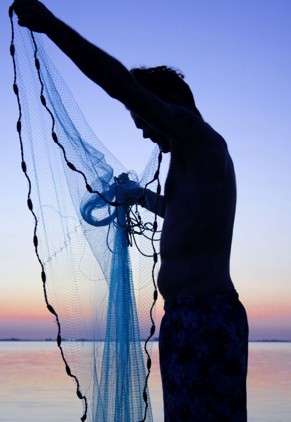
The fishing gear known as the cast net derives its name from its method of operation, as the fisherman throws the circular net over the water by holding it evenly with both hands. Once the net is cast, it spreads out in a circular shape and sinks rapidly, trapping fish or shrimp beneath it. A weighted line attached around the edge of the net helps it close as it is retrieved, preventing the catch from escaping. This traditional fishing method requires considerable skill and experience to ensure that the net opens fully and lands accurately over the target area.
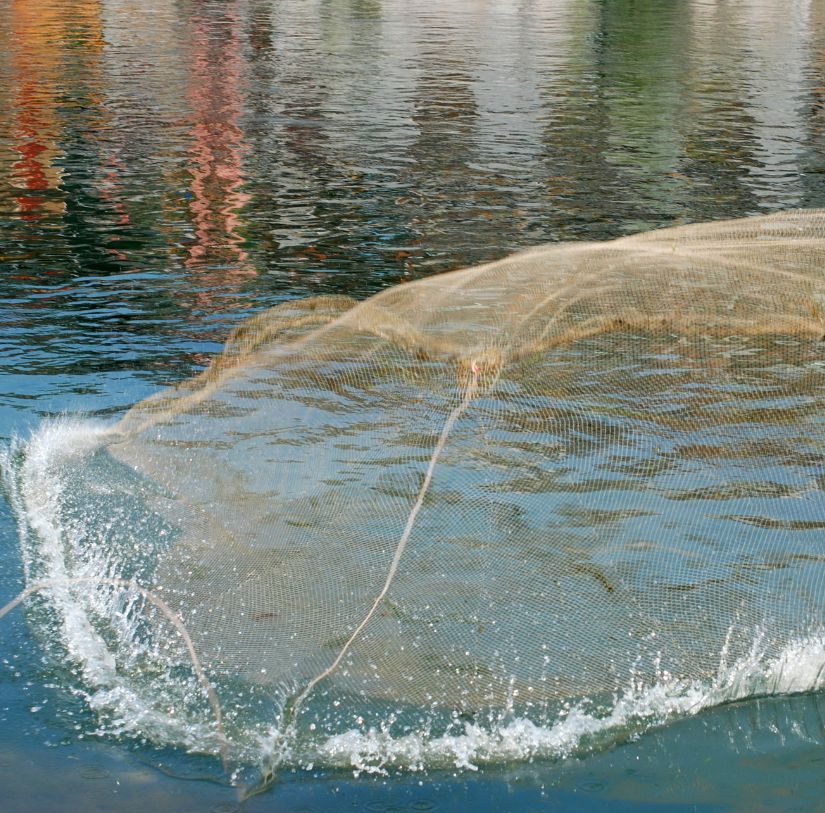
Cast nets are widely used in lagoons, estuaries, reservoirs, rivers, and along the seashore. In Sri Lanka, they have long been an important fishing gear for small-scale inland and coastal fisheries because they are inexpensive, environmentally friendly, and can be operated by a single fisherman without the need for a boat or complex equipment. The gear is particularly effective in shallow waters where fish and shrimp are visible or known to congregate.
Before the rapid expansion of shrimp aquaculture in the Chilaw–Pambala Lagoon, cast-net fishing was one of the principal livelihood activities of the local fishing community. A large number of fishermen depended on this traditional method for harvesting shrimp and finfish from the lagoon.
However, the ecological condition of the Chilaw–Pambala Lagoon has changed significantly over the past few decades. The expansion of artificial shrimp farming has contributed to habitat degradation, water pollution, sediment accumulation, and changes in water quality. Effluent discharge from shrimp farms, together with the clearing of mangrove habitats and alteration of natural water circulation, has reduced the abundance of wild fish and shrimp populations. Consequently, fishermen who traditionally relied on cast nets now experience declining catches and increasing difficulty in maintaining their livelihoods. Many have been forced to reduce their fishing effort, seek alternative occupations, or adopt different fishing methods.
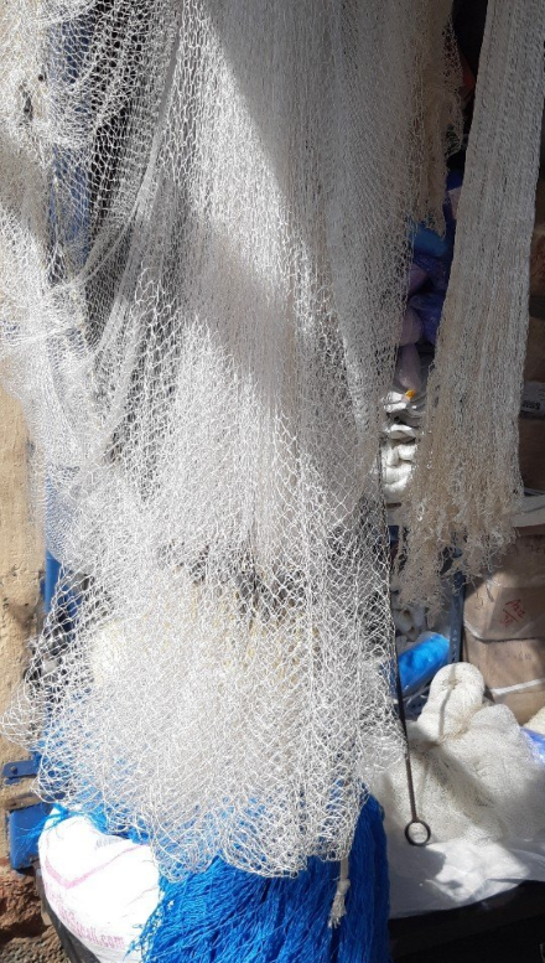
The mesh size of cast nets varies depending on the target species. Cast nets used for shrimp fishing have relatively small mesh sizes to prevent shrimp from escaping, whereas cast nets designed for catching fish have larger mesh openings that allow smaller fish to pass through while retaining larger individuals. Selecting an appropriate mesh size is important for promoting sustainable fisheries, as it helps reduce the capture of juvenile fish and minimizes adverse impacts on fish populations. Despite the challenges faced by lagoon fisheries, cast nets remain one of the most important traditional fishing gears in Sri Lanka due to their simplicity, affordability, and relatively low environmental impact when used responsibly.
විසි දැල යන නාමය මෙම ධීවර ආම්පන්නයට ලැබී තිබෙන්නේ විශේෂයෙන්ම මෙම ආම්පන්නය ධීවරයා විසින් අත් දෙකට සමබරව රැගෙන ඉතා ඈතට විසි කිරීම නිසාවෙනි. විසි දැල කලපු ආශ්රිතවත් මුහුදු වෙරළ ආශ්රිතවත් වැව් සහ ගංගා ආශ්රිතවත් භාවිතා කරනු ලබන අතර කලපු වල ඉස්සන් වගාවට පෙර හලාවත කලපුව තුළ බොහෝ ධීවරයන් පිරිසක් මෙම විසිදැල් රැකියාව සිදුකර ඇත. එකල එක් ධීවරයෙක් දිනකට මෙම විසිදැල් භාවිතා කර ඉස්සන් රාත්තල් 20 ක් පමණ විශේෂයෙන්ම ඉස්සන් හොඳින් හසුවන කාලවල උදේ 5.00 සිට සවස 2.00 පමණ වනතෙක් කාලය තුළ අල්ලගෙන ඇත. විශේෂයෙන්ම මෙම විසිදැල් රැකියාව සිදු කළ කලපුවක් වූ හලාවත පම්බල කලපුවේ වර්තමානයේදී කෘත්රිම ඉස්සන් වගාව හේතු කොට ගෙන කලපුව දූෂණය වීමෙන් විසිදැල් රැකියාව සිදුකරගෙන යාමට අපහසු වී තිබේ. ඉස්සන් ඇල්ලීම සඳහා යොදාගනු ලබන දැල් ඇස් හෙවත් දැල් සිදුරු කුඩාවටත් මසුන් ඇල්ලීම සඳහා යොදාගන්නා විසි දැලේ දැල් සිදුරු ඊට වඩා විශාලවත් දක්නට ලැබේ.