
Athanguwa
අතංගුව
During the 1970s and 1980s, the Athanguwa, a traditional lagoon fishing gear, played a significant role in the collection of ornamental fish from Sri Lanka’s coastal lagoons. These fish were primarily harvested for export to the international aquarium trade, providing an important supplementary livelihood for many fishing households. Different species commanded different market prices; for example, Ilatthiya was purchased by exporters for approximately 25 cents per fish, while Kapu Handa was purchased for around 30 cents each.
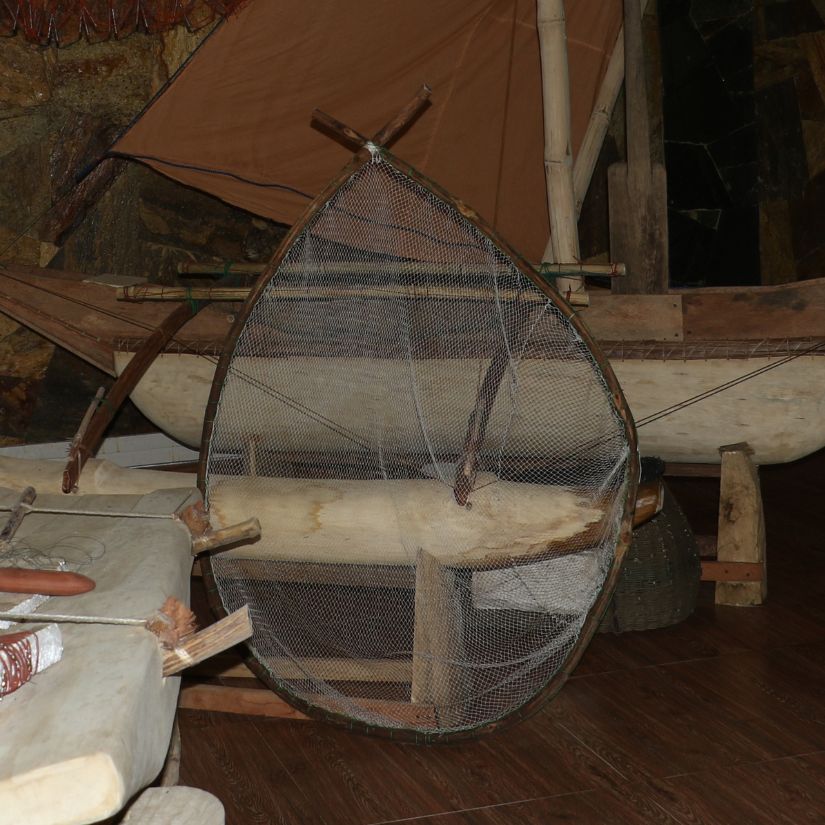
Prior to the introduction of artificial shrimp farming in lagoon environments, the ornamental fish trade generated a steady and profitable source of income for local communities. Although prices in the early years ranged between 25 and 30 cents per fish, increasing demand subsequently raised market values to approximately Rs. 5–10 per fish. The export trade was concentrated mainly among ornamental fish exporters operating in the Negombo, Pitipana, and Kurana areas, which served as important centres for the collection and export of lagoon fish.
The establishment of artificial shrimp farming in 1985 marked a turning point for lagoon ecosystems. The expansion of shrimp aquaculture contributed to increasing environmental degradation and pollution, adversely affecting water quality and the ecological conditions required for the breeding and survival of ornamental fish species. Habitat deterioration and declining reproductive success led to a marked reduction in their populations. Consequently, many ornamental fish species that were once abundant in the lagoons have become increasingly scarce, and today they are found only in very limited numbers.
අතංගුව 1970 – 1980 දශකයේ කලපු වල විසිතුරු මසුන් ඇල්ලීම සඳහා යොදාගත් අතර එම මත්ස්යයන් සුරතල් මසුන් ලෙස එකල පිටරටවල් සඳහා අපනයනය කර තිබේ. එම කාලයේ විවිධ මිල ගණන් වලට එම මත්ස්යයින් මිලදී ගනු ලැබූ අතර ඉලත්තියා සත 25 මුදලකටද කපු හැන්දා සත 30 මුදලකටද, මසුන් අපනයන කරුවන් විසින් මිලදී ගනු ලැබීය. කලපු ආශ්රිත කෘත්රිම ඉස්සන් වගාවට පෙර මේ ආකාරයට හොඳ ආදායමක් ලබා ගැනීමට හැකි විය. මුල් කාලයේදී සත 25 – සත 30 වැනි මිල ගණ වලට මිලදී ගනු ලැබුවත් ඉන් අනතුරුව රු. 5. රු. 10 වැනි මිල ගණන් වලටද එම මසුන් අලෙවිය සිදු විය. විශේෂයෙන්ම එම මත්ස්යයන් අපනයනය සිදුකරනු ලැබුවේ මීගමුව, පිටපන, කුරණ ප්රදේශයේ අපනයන කරුවන් විසිනි. 1985 කෘත්රිම ඉස්සන් වගාව ආරම්භ වීමත් සමඟ කලපු දූෂණයට ලක්වීම හේතුවෙන් එම මසුන් බෝවීම පිළිබඳව ප්රශ්න සහ ගැටලු සහගත තත්ත්වයන් උදා විය. අද වන විට මෙම මත්ස්යයින් කලපු වල ඉතාමත් අඩු බවක් පෙන්නුම් කරයි