
Seacology Representatives Visit the Lanka Mangrove Museum
Pambala, Sri Lanka – 15 September 2026
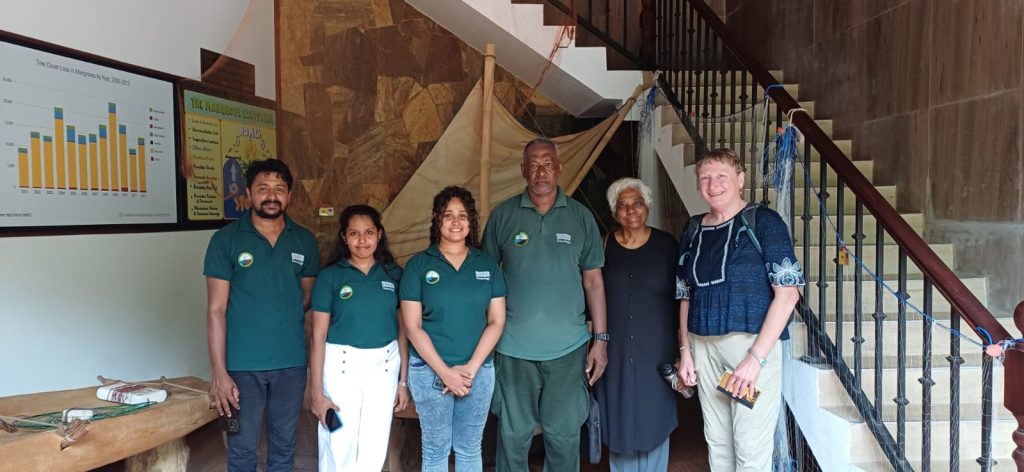
The Lanka Mangrove Museum was honoured to welcome Ms. Karen Peterson, Senior Manager of Special Initiatives at Seacology, and Ms. Leela Padmini Batuwitage, Field Representative for Sri Lanka at Seacology, on 15 September 2026.
The distinguished visitors were warmly welcomed by the Museum staff upon their arrival. The visit provided an important opportunity to strengthen the continuing relationship between Seacology and the Lanka Mangrove Museum, while also sharing experiences and discussing the current status and future direction of mangrove conservation and education initiatives.
During their visit, Ms. Peterson and Ms. Batuwitage held discussions with the Museum staff regarding the current status of the Museum, its activities, educational programmes, conservation efforts, visitor engagement and future priorities. The discussions also provided an opportunity to exchange ideas on ways in which the Museum can continue to contribute to greater public awareness and understanding of the ecological, social and economic importance of mangrove ecosystems.
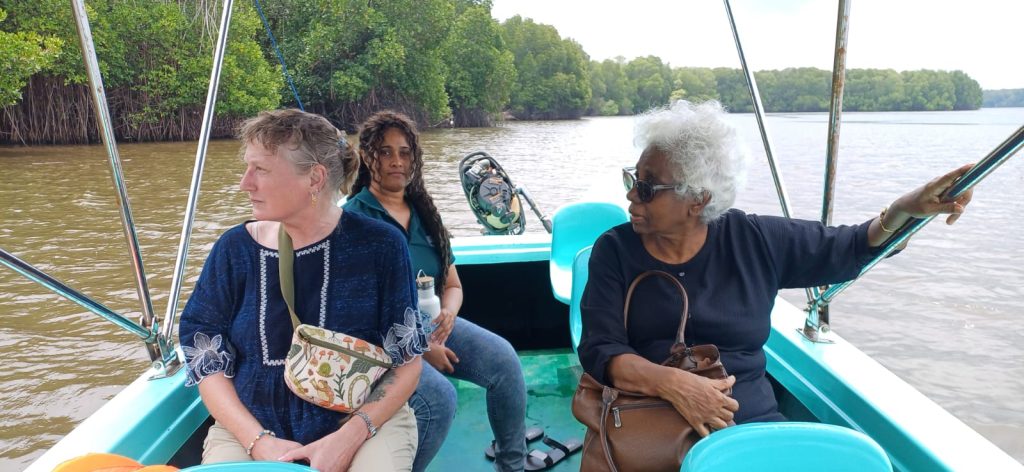
As part of the visit, the Seacology representatives also joined the Museum team on a boat excursion around Pambala Lagoon. The excursion offered an opportunity to observe the lagoon environment and explore the surrounding mangrove areas. During the journey, the visitors and Museum staff shared observations on the importance of protecting mangrove habitats and maintaining healthy lagoon ecosystems for biodiversity, coastal communities and future generations.
The visit was particularly meaningful given Seacology’s longstanding involvement in mangrove conservation in Sri Lanka. Seacology is an international conservation organization dedicated to protecting island habitats and cultures around the world. Its approach focuses on working with island communities to conserve natural resources while supporting community needs and sustainable livelihoods. According to Seacology, the organization has supported hundreds of conservation projects across numerous island communities worldwide.
A significant achievement of this collaboration was the establishment of the world’s first dedicated mangrove museum in Pambala, which officially opened in July 2016. The Museum was established as an educational facility to promote awareness of the ecological and economic importance of mangrove ecosystems and has served as an important destination for students, local communities and visitors.
The partnership between Seacology and Sri Lankan organizations has therefore contributed not only to mangrove conservation, but also to environmental education, community engagement, restoration and sustainable development. Seacology’s Sri Lanka programme has included activities such as mangrove restoration, community participation, livelihood support and educational initiatives.