Research Team from the University of Kelaniya Conducts Mangrove Research at Pambala, Chilaw
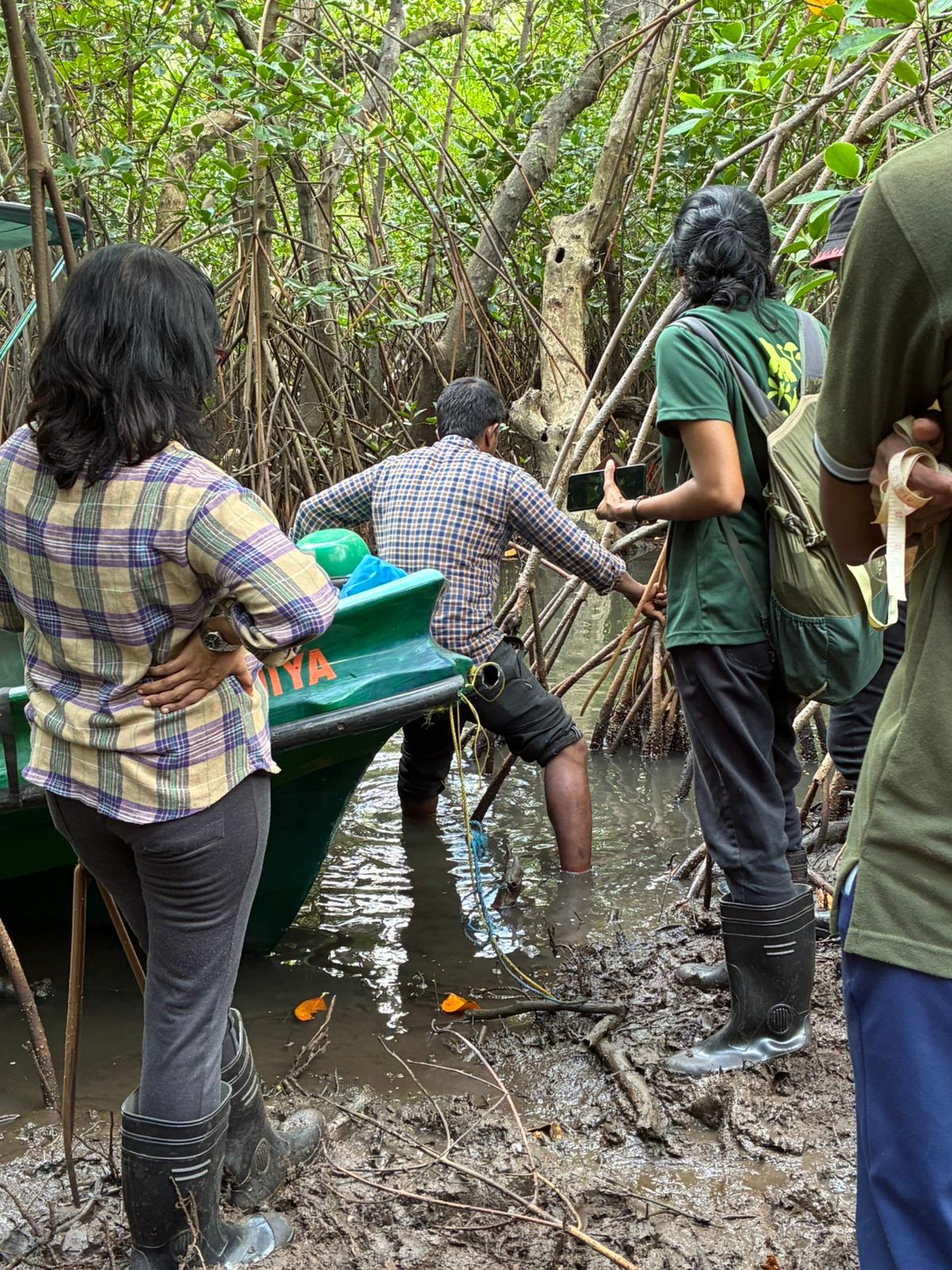
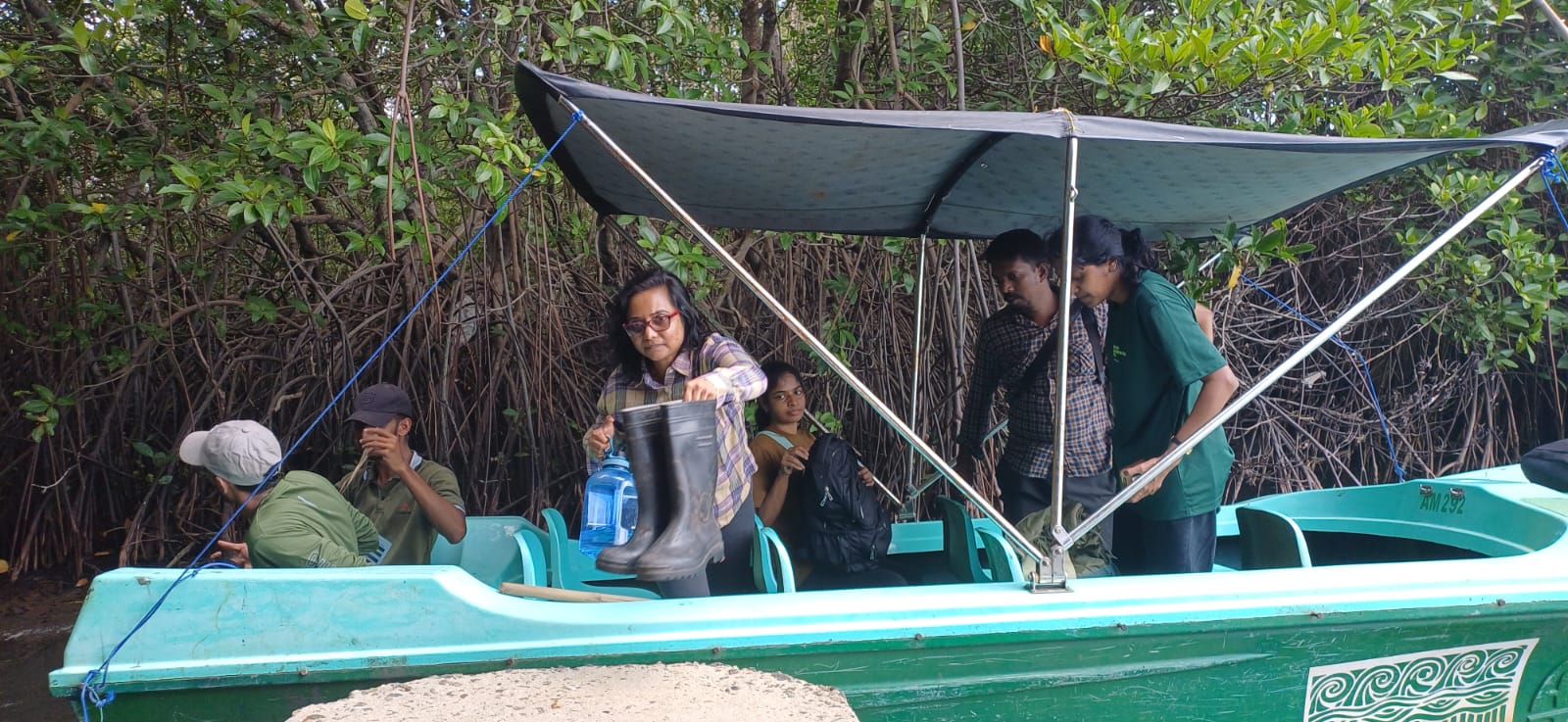
On 3 September 2026, a research team from the University of Kelaniya, led by Dr. Wasana de Silva, conducted a field research programme in the mangrove ecosystem of Pambala, Chilaw, Sri Lanka.
The research team carried out field-based investigations within the mangrove environment, focusing on understanding the ecological characteristics and importance of this valuable coastal ecosystem. Field research of this nature provides important scientific information that contributes to a better understanding of mangrove ecosystems and supports their effective conservation and sustainable management.
Mangroves play a vital role in protecting coastal areas, supporting biodiversity, providing habitats for numerous aquatic and terrestrial species, and contributing to climate resilience. Therefore, continuous scientific research and monitoring are essential for understanding changes within these ecosystems and developing appropriate conservation approaches.
The field visit also provided an opportunity for researchers to observe the mangrove environment directly, collect relevant research information, and gain a deeper understanding of the ecological processes taking place within the ecosystem.
Research activities such as these highlight the important contribution of universities and research institutions towards mangrove conservation, environmental education, and evidence-based ecosystem management in Sri Lanka.
The Lanka Mangrove Museum and Learning Center recognizes and appreciates the continued contribution of researchers and academic institutions in advancing knowledge and promoting the conservation of Sri Lanka’s precious mangrove ecosystems.
Protect Mangroves. Protect Our Coasts. Protect Our Future. 🌱🌊🔬