Pocillopora sp.
Cauliflower Coral/ reef-building coral
- Kingdom: Animalia
- Phylum: Cnidaria
- Class: Hexacorallia
- Order: Scleractinia
- Family: Pocilloporidae
- Genus: Pocillopora
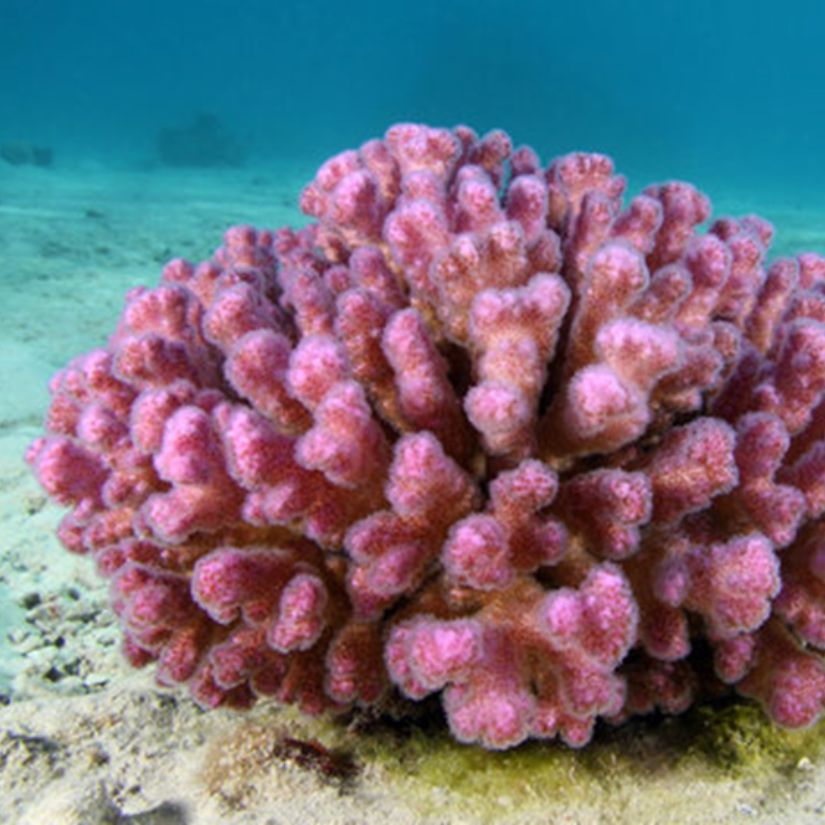
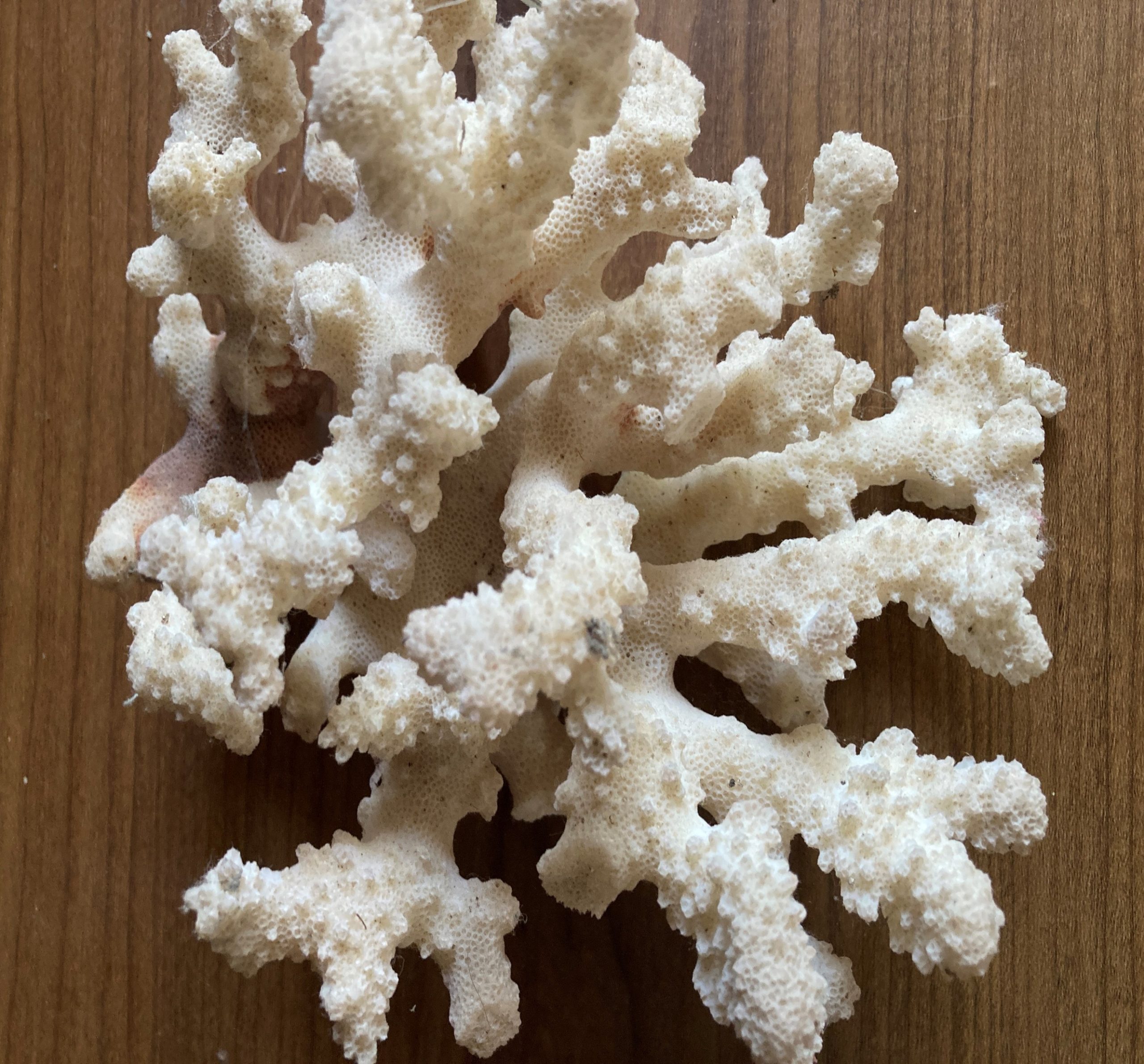
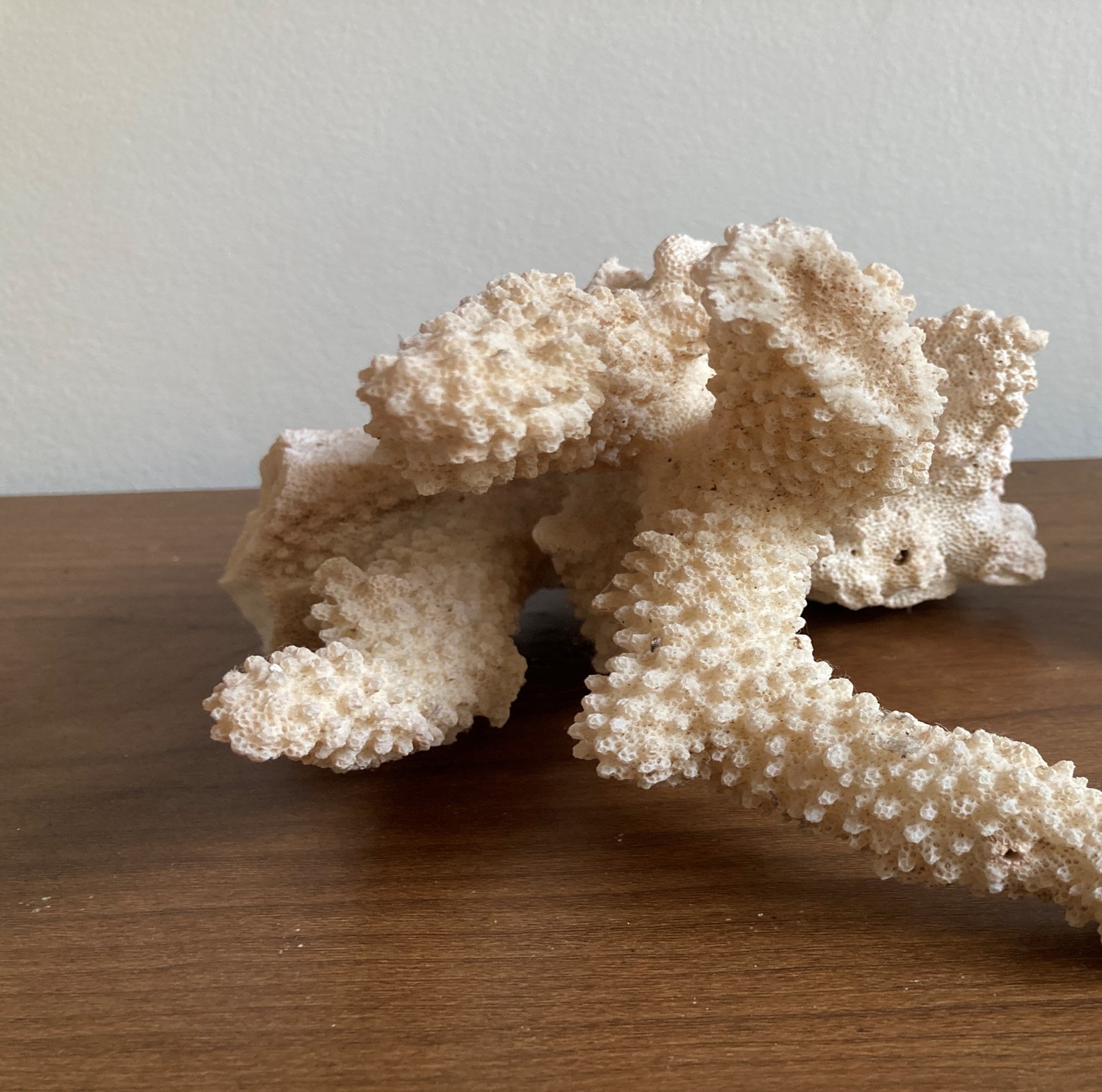
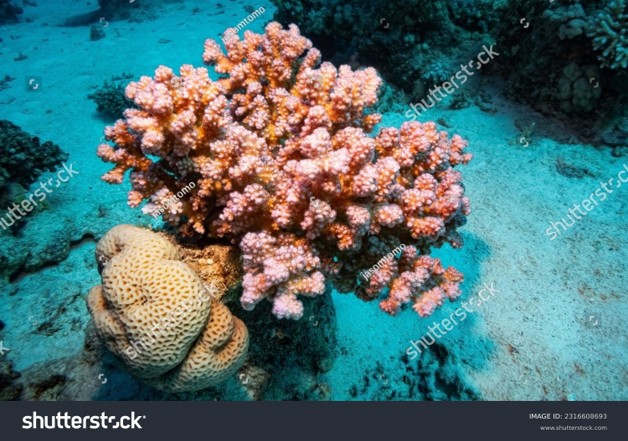
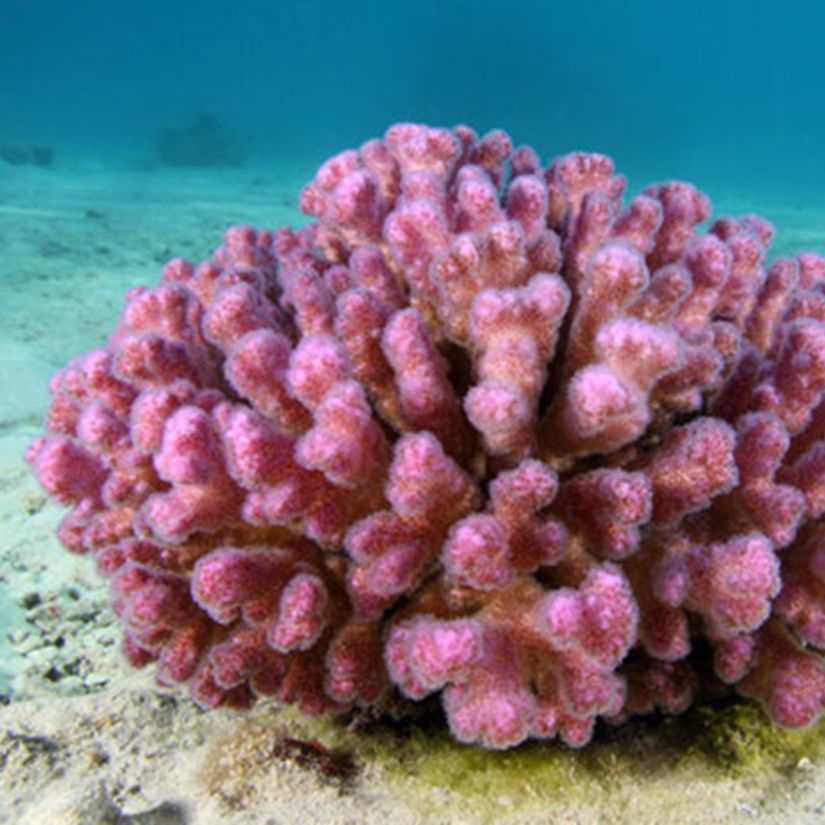
Pocillopora spp., commonly known as cauliflower corals or lace corals, are a genus of small-polyp stony corals belonging to the family Pocilloporidae. They are widely distributed throughout the Indo-Pacific region, particularly abundant on shallow reef crests, reef flats, and high-energy environments. Members of this genus are easily recognized by their distinctive branching morphology, which may range from compact, bushy colonies to more open, irregular structures depending on species and environmental conditions.
General Characteristics of Pocillopora
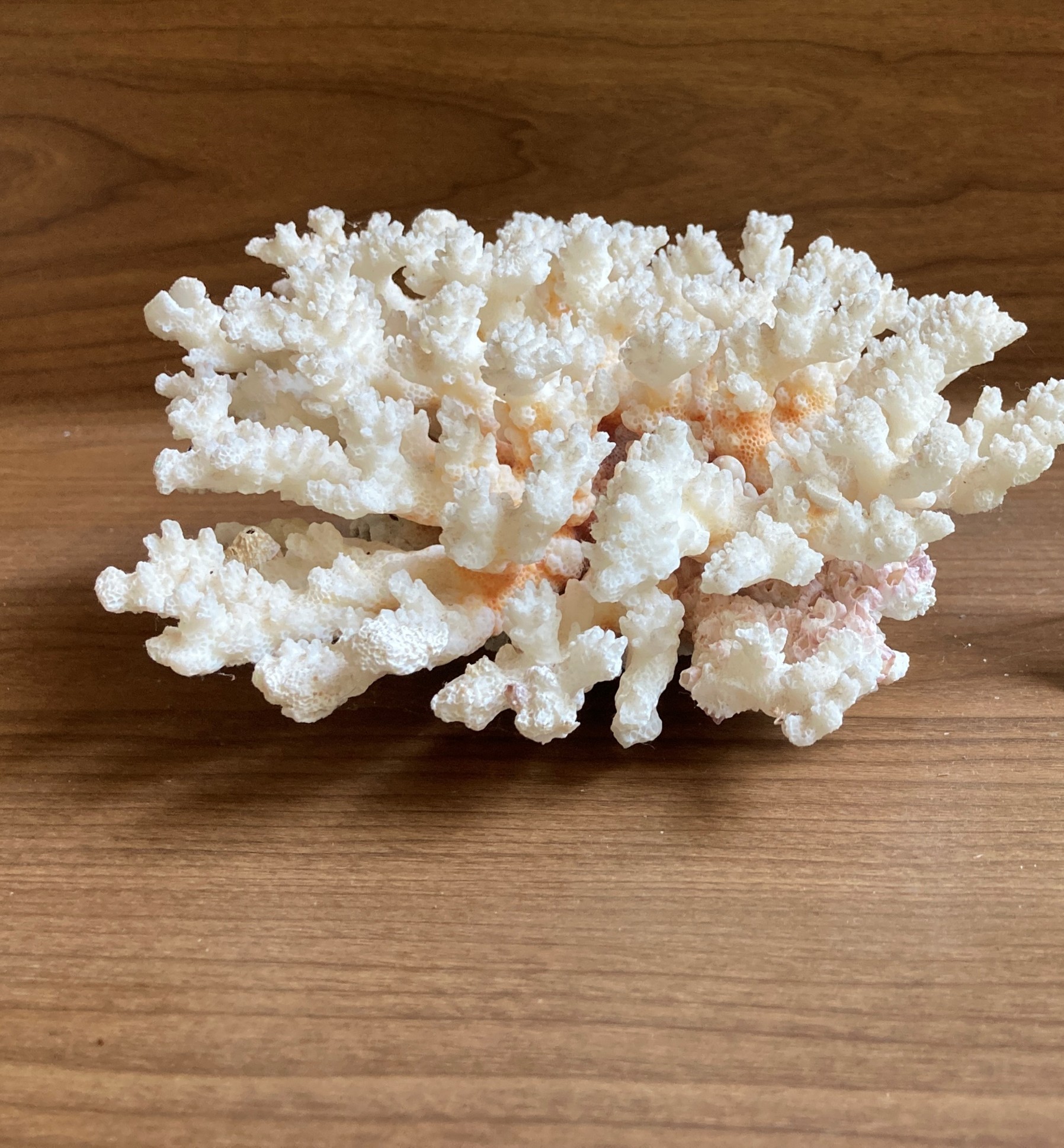
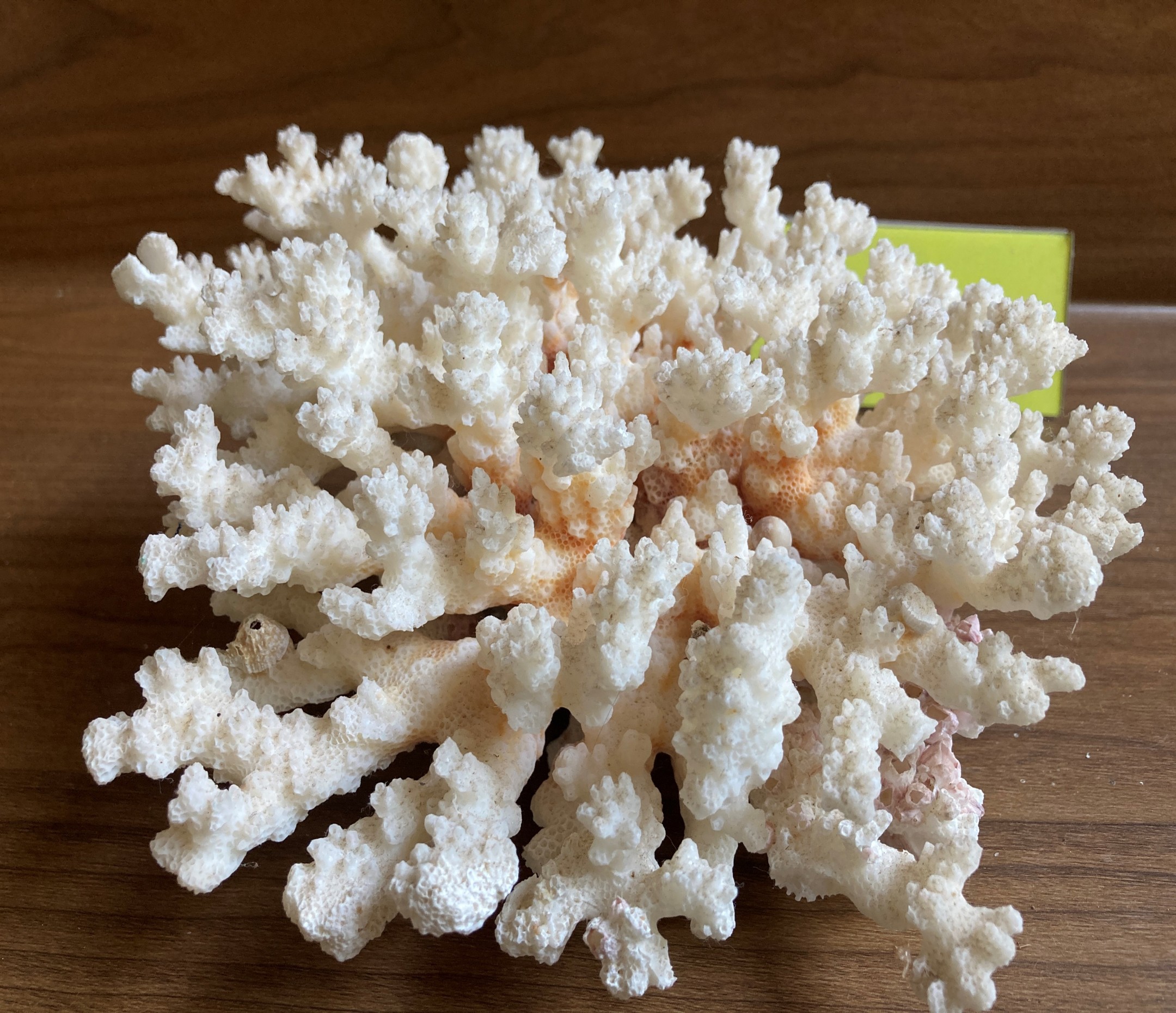
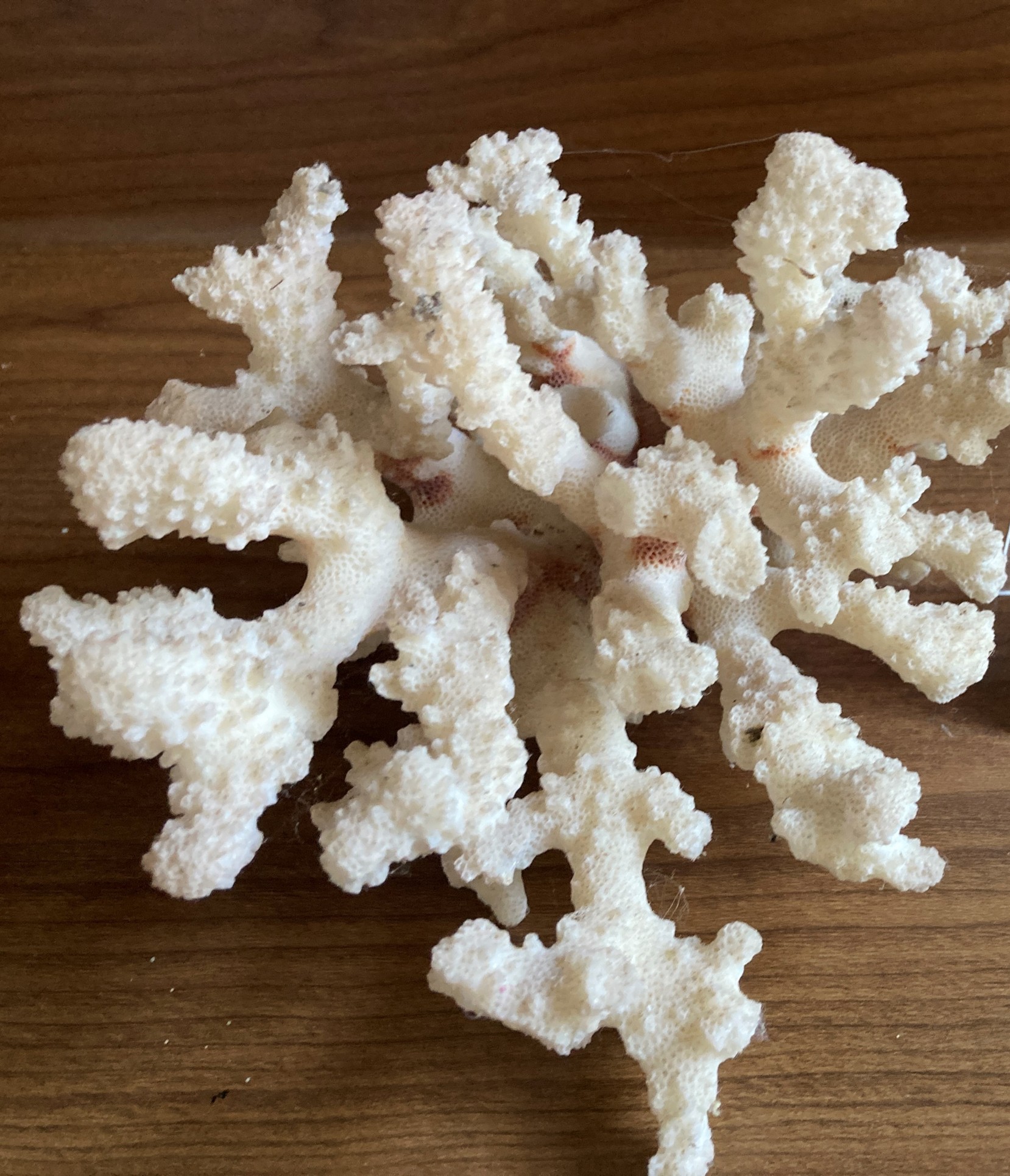
A key diagnostic feature of Pocillopora is the presence of characteristic wart-like projections on the skeleton known as verrucae, which are tightly spaced and often cover the branch surfaces. Corallites are typically small and superficial, with a uniform appearance and porous skeletal texture. However, morphological plasticity is common within this genus, and colony form can vary dramatically with water flow, light levels, and depth. As a result, distinguishing Pocillopora species solely by external morphology can be challenging, often requiring microscopic skeletal examination or genetic analysis for accurate identification. These corals are ecologically important reef builders and are known for their relatively fast growth rates and sensitivity to environmental disturbances. Their wide distribution and variable morphology make Pocillopora an important group for reef monitoring studies.
Even without specifying the species, members of this genus share common traits:
- Type: Reef-building (hermatypic) stony corals
- Shape: Branching, bushy colonies (often cauliflower-like)
- Skeleton: Made of calcium carbonate (aragonite)
- Polyps: Small, with tentacles containing nematocysts
- Color: Brown, pink, green, or cream (due to zooxanthellae)
Habitat and Distribution
- Found mainly in the Indo-Pacific region
- Live in:
- Shallow reef flats
- Lagoon environments
- Reef slopes (up to ~40 m depth)
Ecological Role
- Important reef builders
- Provide habitat for small fish, crustaceans, and invertebrates
- Often act as pioneer species in reef colonization