Montastraea sp. is a genus of reef-building stony corals that play a major role in forming and maintaining coral reef ecosystems, especially in the Atlantic and Caribbean regions.
General Characteristics
Montastraea spp., commonly referred to as boulder or massive star corals, belong to the family Merulinidae. They are widespread throughout the tropical and subtropical Atlantic and Indo-Pacific reefs, typically inhabiting reef slopes, reef crests, and lagoonal environments. These corals are massive and slow-growing, forming large, dome-shaped, encrusting, or columnar colonies that contribute significantly to reef framework and structural complexity.
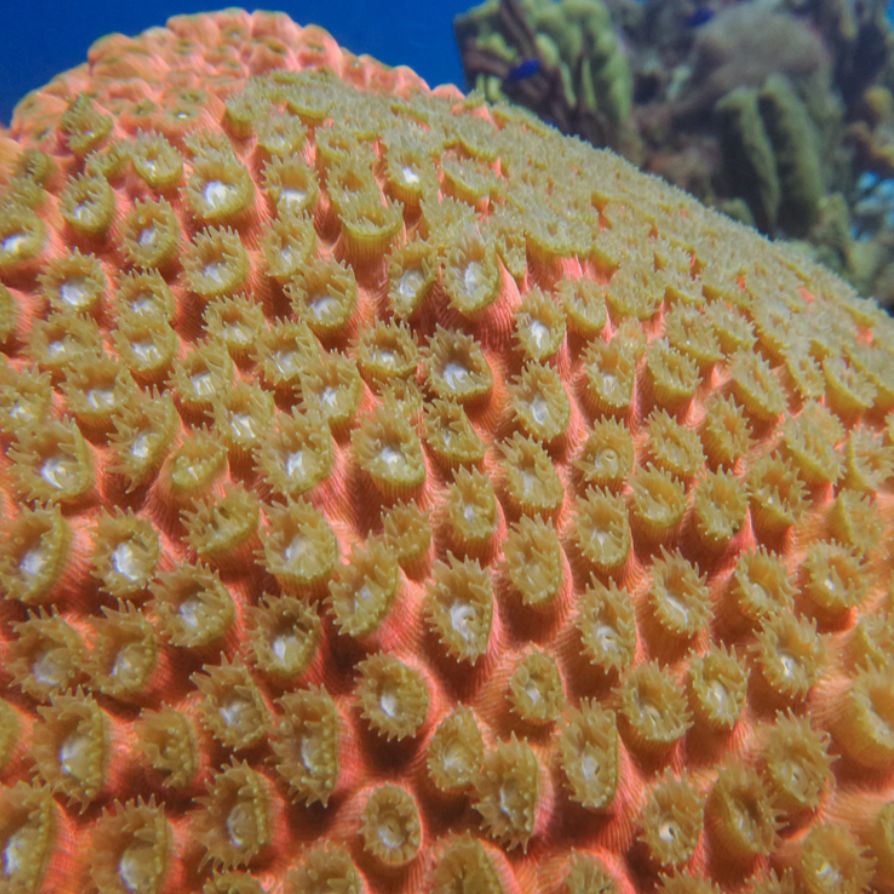
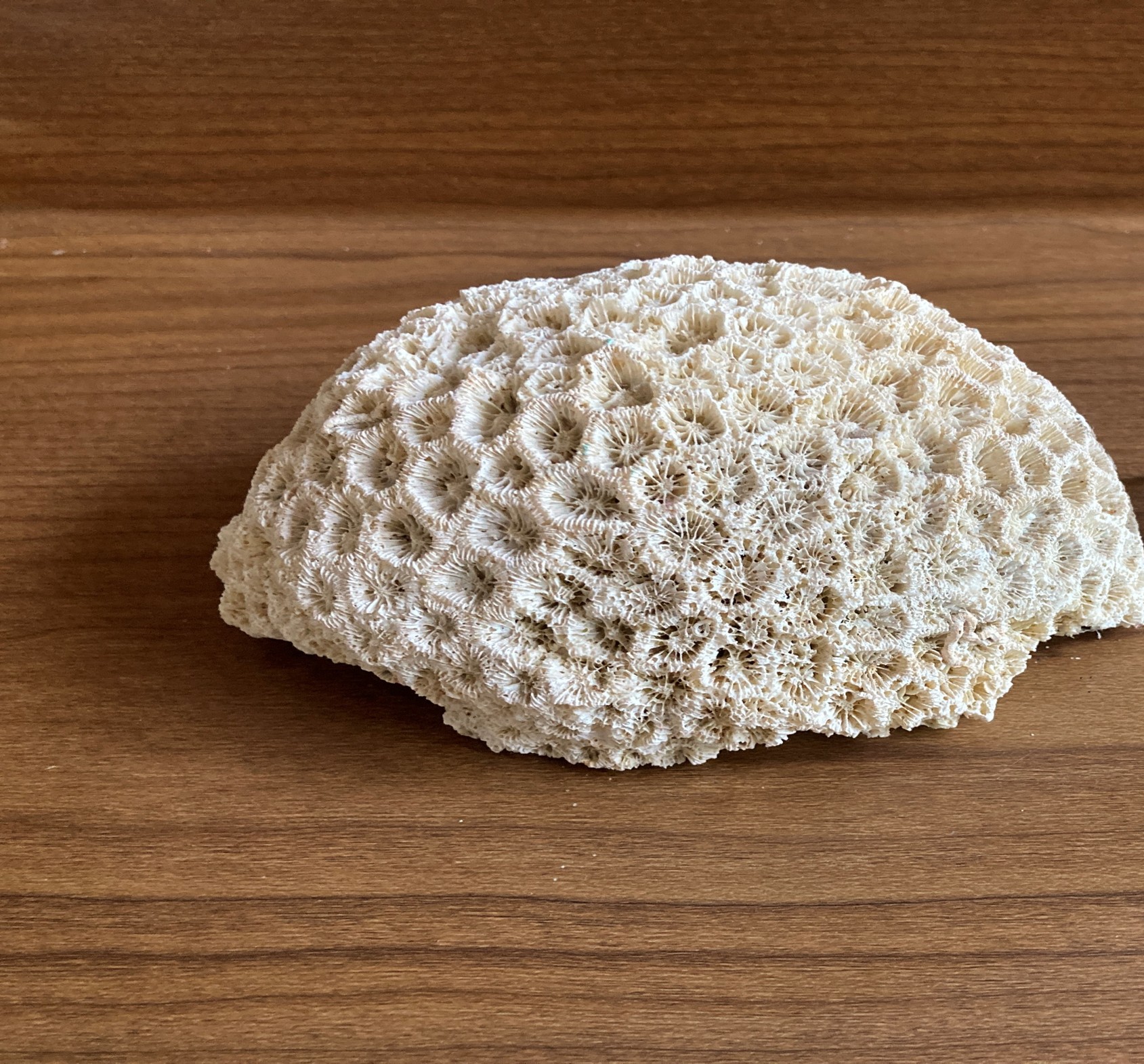
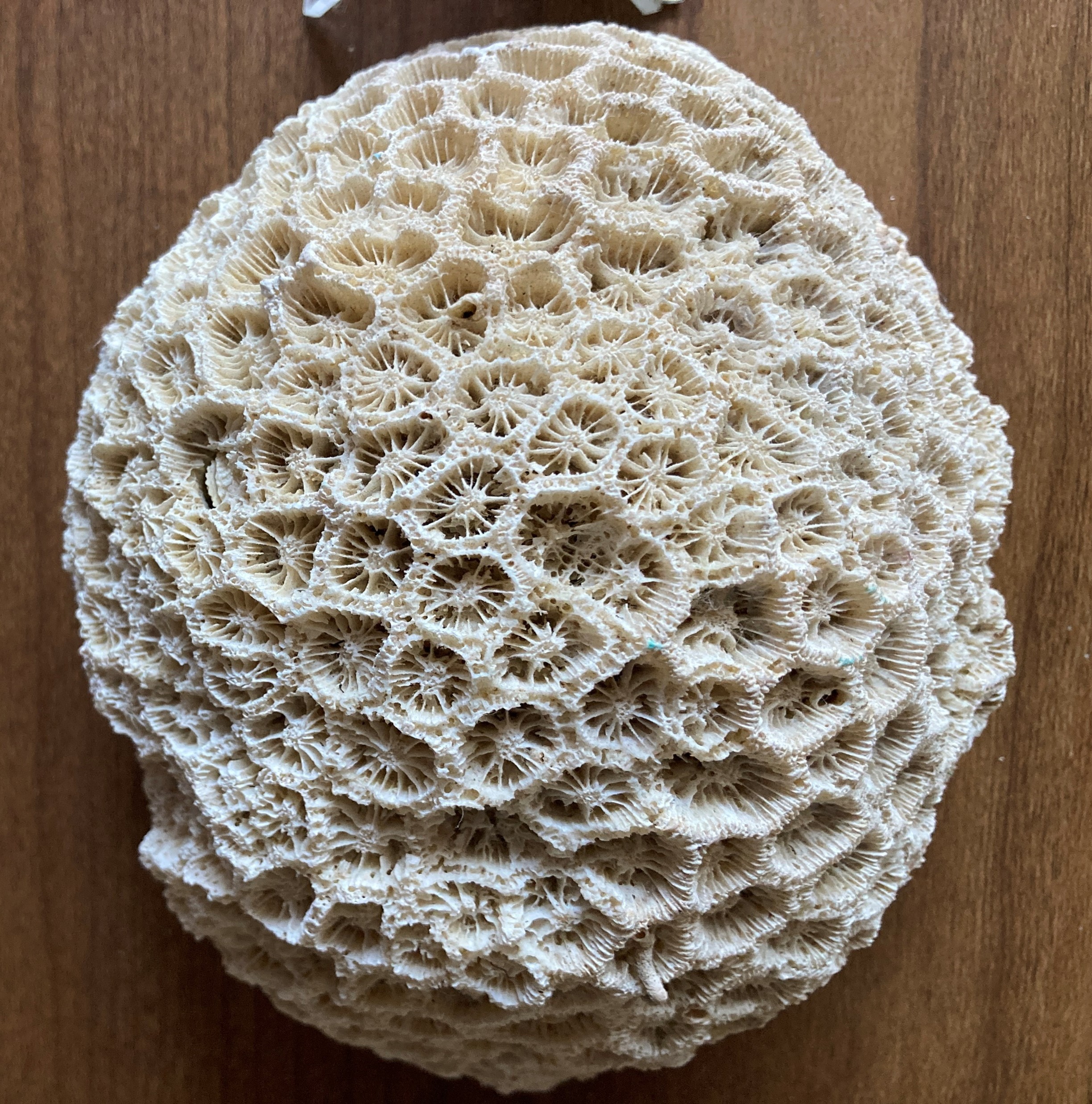
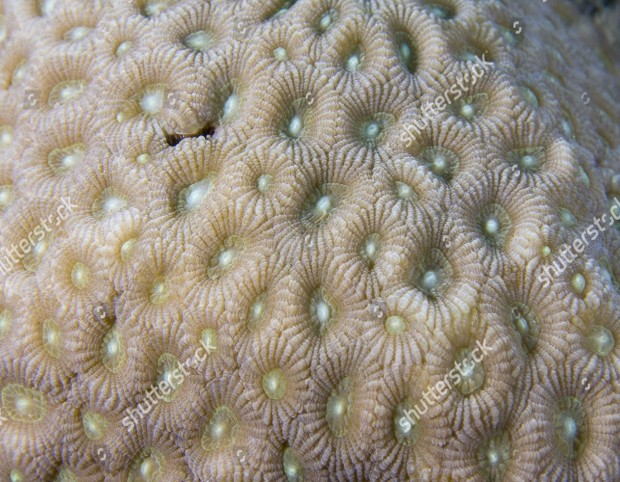
Colonies are characterized by closely packed corallites that are polygonal to circular in shape, sharing common walls in a cerioid arrangement. Corallite walls are thick and septa well-developed, providing structural robustness. The colony surface may appear bumpy or uneven due to protruding corallites, and coloration ranges from brown, green, or cream to fluorescent hues depending on symbiotic zooxanthellae density and environmental conditions.
Montastraea spp. are ecologically significant as major reef builders, providing habitat for diverse reef-associated fauna. Species-level identification is challenging due to overlapping skeletal morphologies, requiring microscopic skeletal analysis or molecular methods for accurate classification. Their slow growth and high structural integrity make them particularly important for long-term reef resilience and carbonate accumulation.
Key Characteristics
Commonly known as mountain star coral
Forms massive, boulder-like colonies
Surface appears rough with small, star-shaped corallites
Colors vary: brown, green, yellow, or gray
Polyps are usually extended at night for feeding
Habitat & Distribution
Found mainly in the Caribbean Sea and western Atlantic Ocean
Occurs in shallow to moderately deep waters (1–30 m)
Prefers clear, warm waters with good sunlight
Nutrition
Heterotrophic feeding: captures plankton using tentacles
Autotrophic contribution: energy from symbiotic algae
Ecological Importance
Major reef builders, contributing to reef structure
Provide habitat and shelter for many marine organisms
Help in coastal protection by reducing wave energy