Habitat and Structure
Acropora species are typically found in shallow reef environments with abundant sunlight and moderate to strong water movement. These conditions are ideal for their growth and survival.
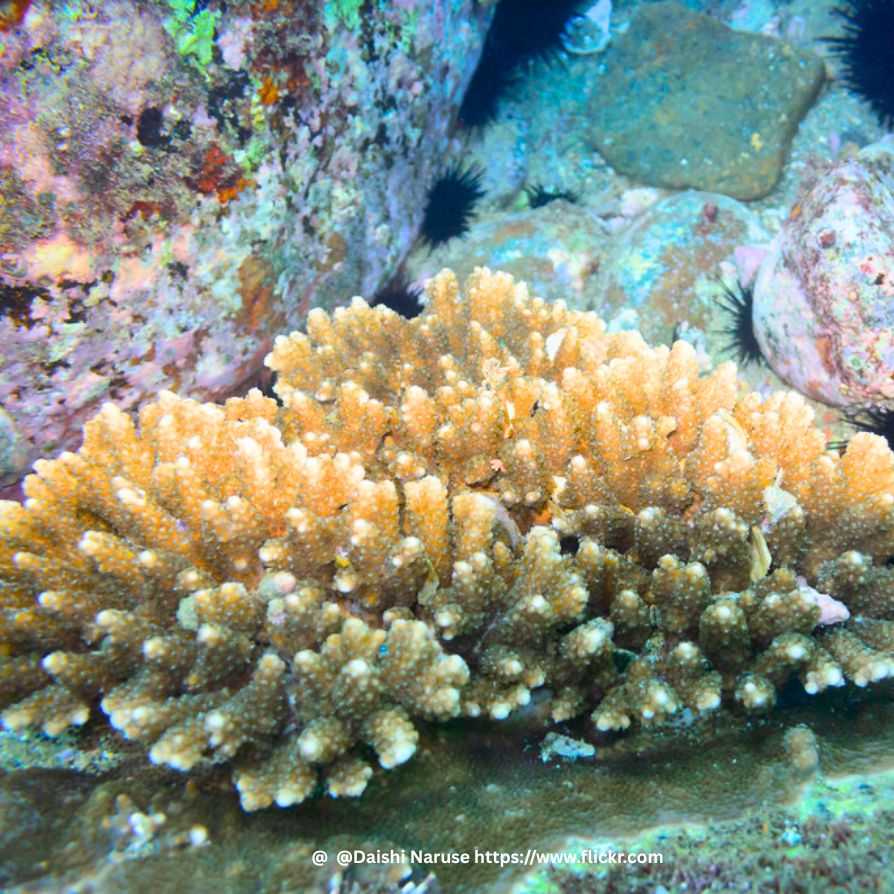
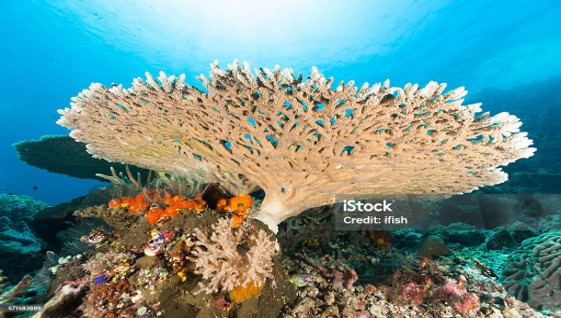
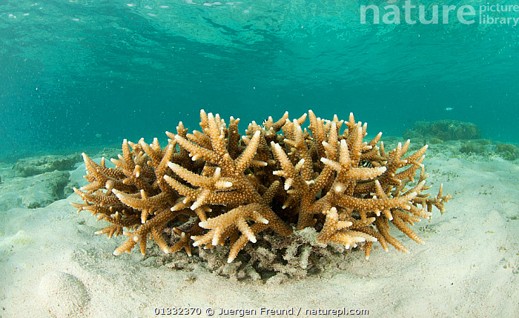
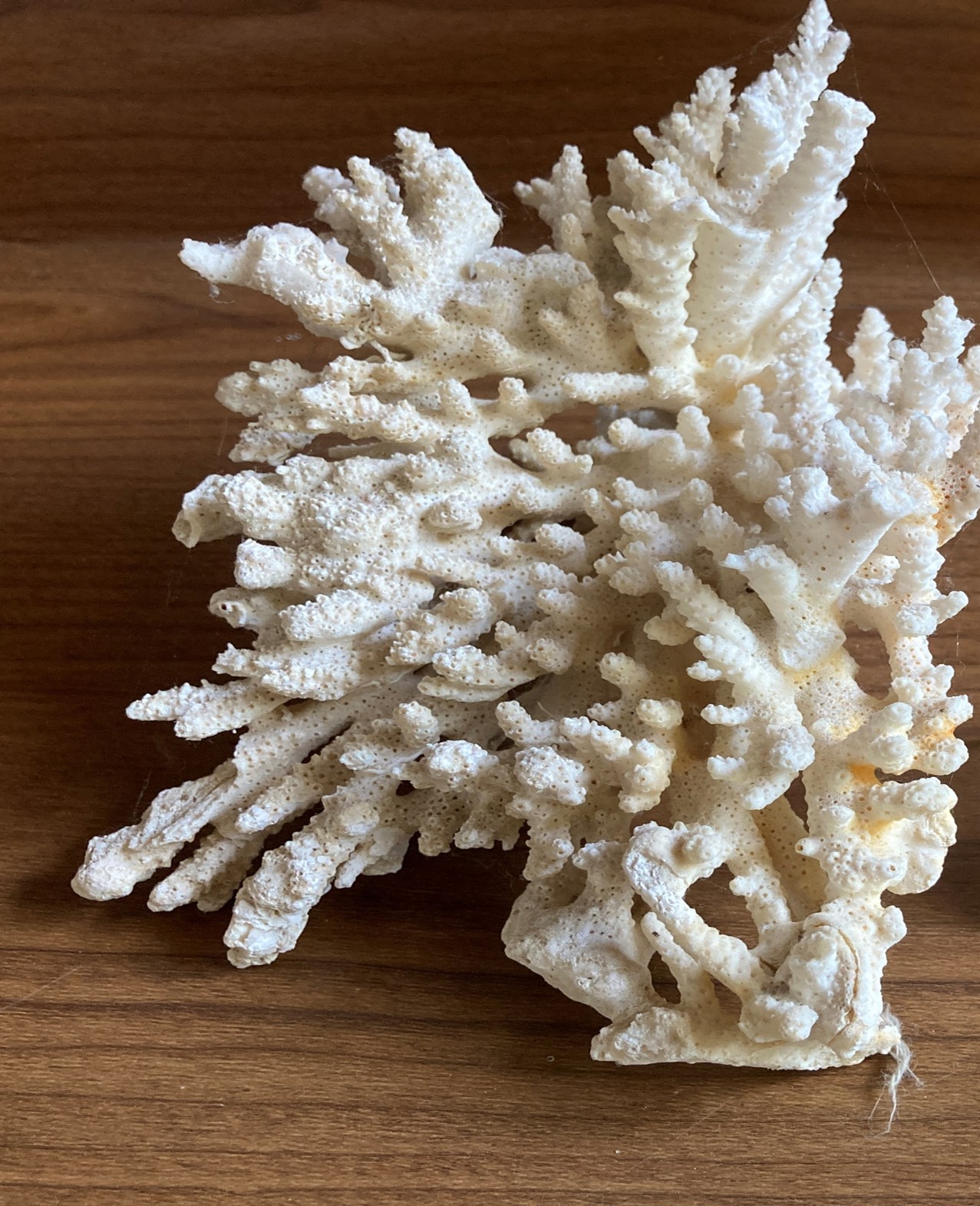
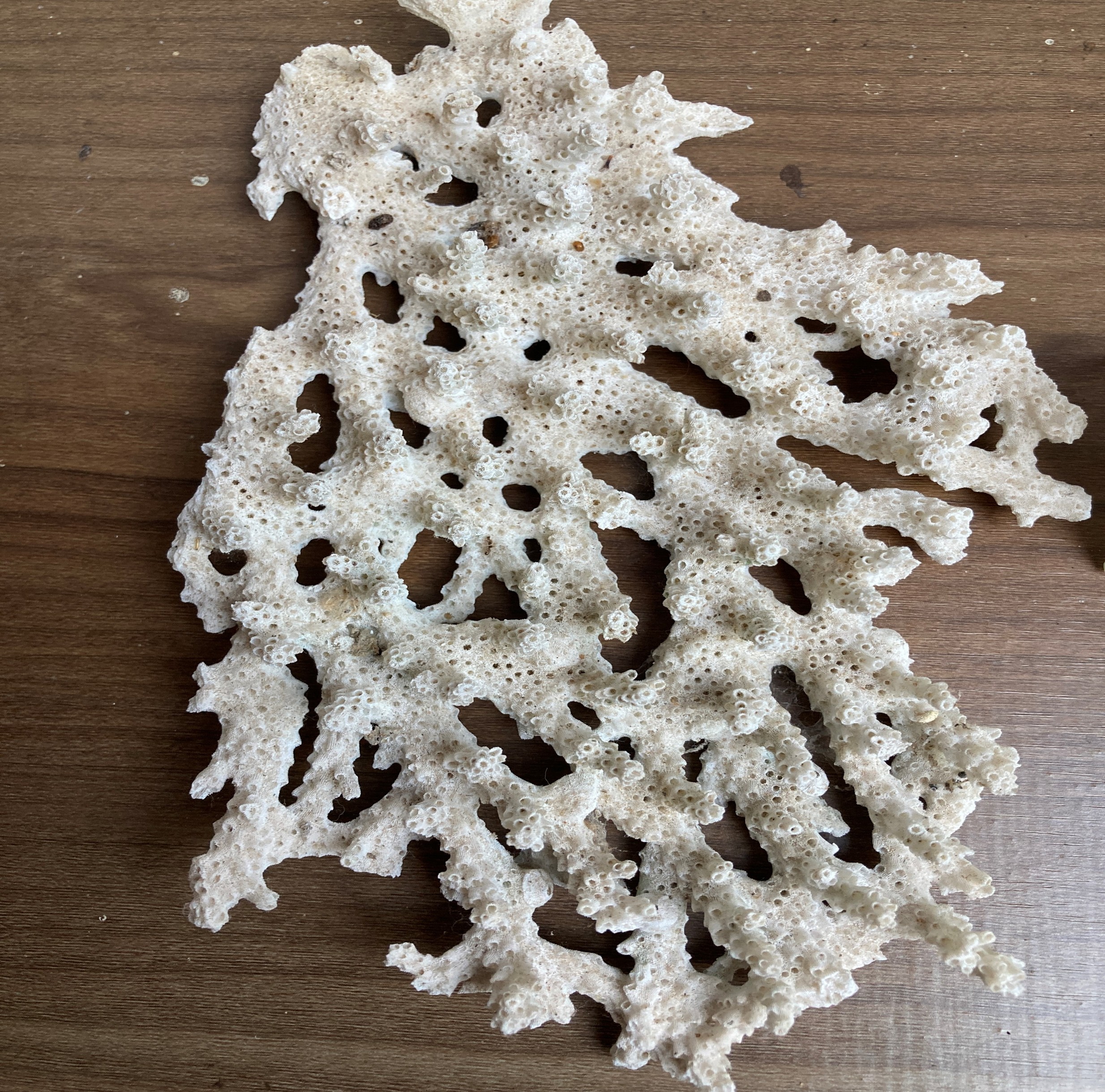
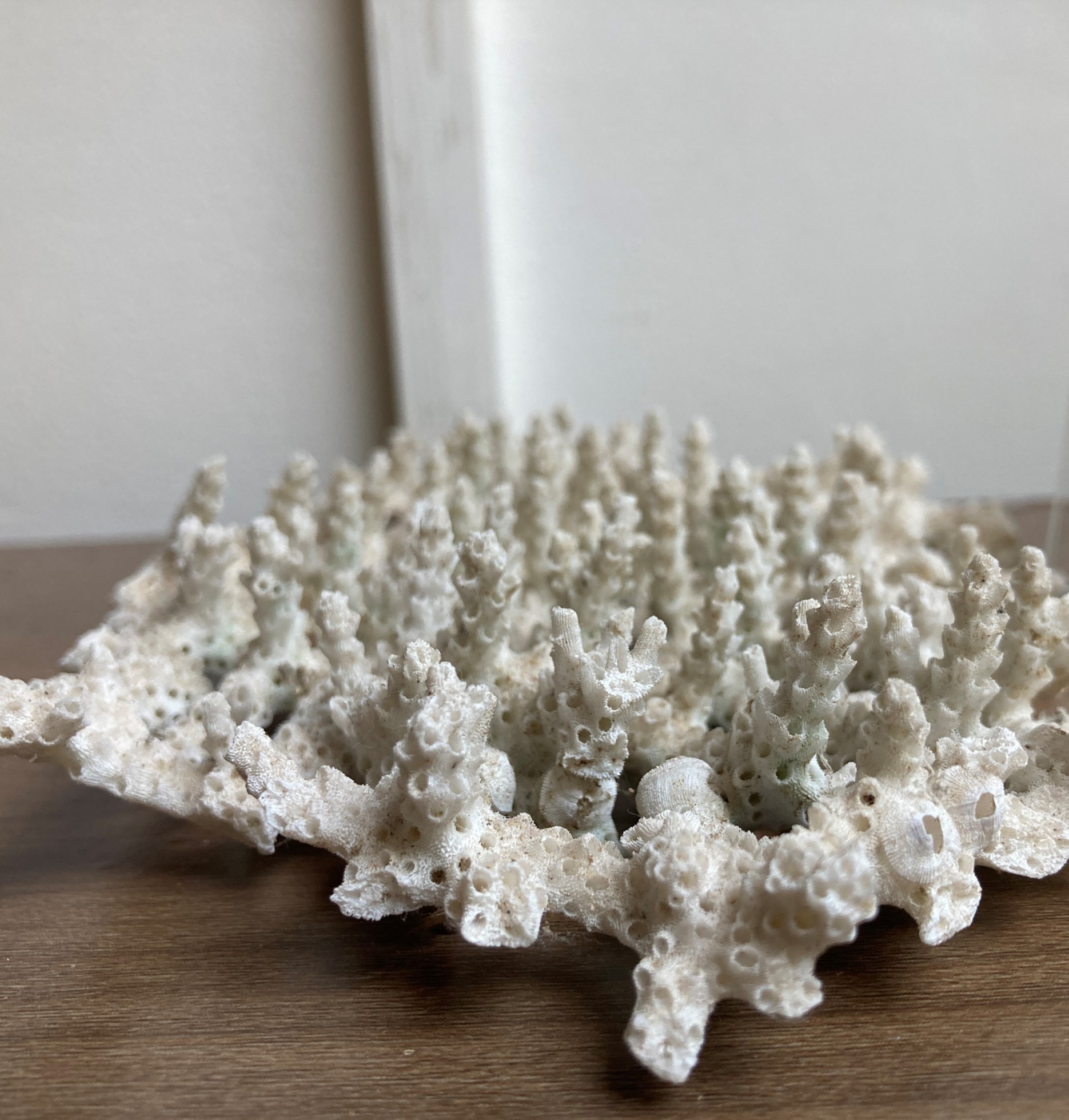
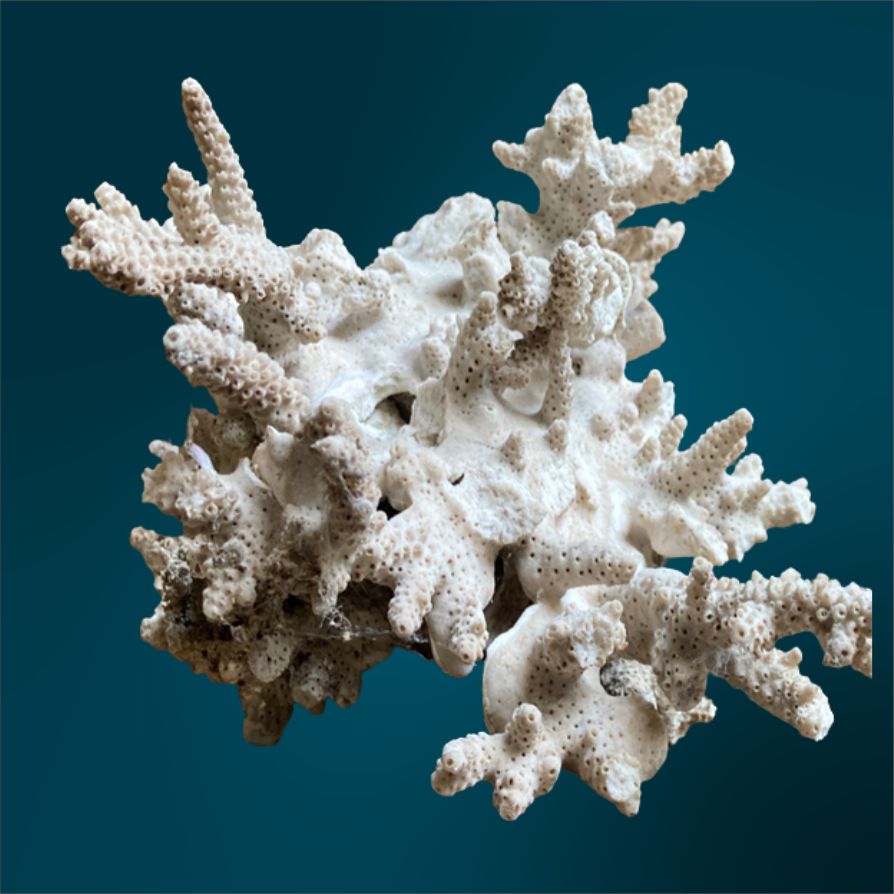
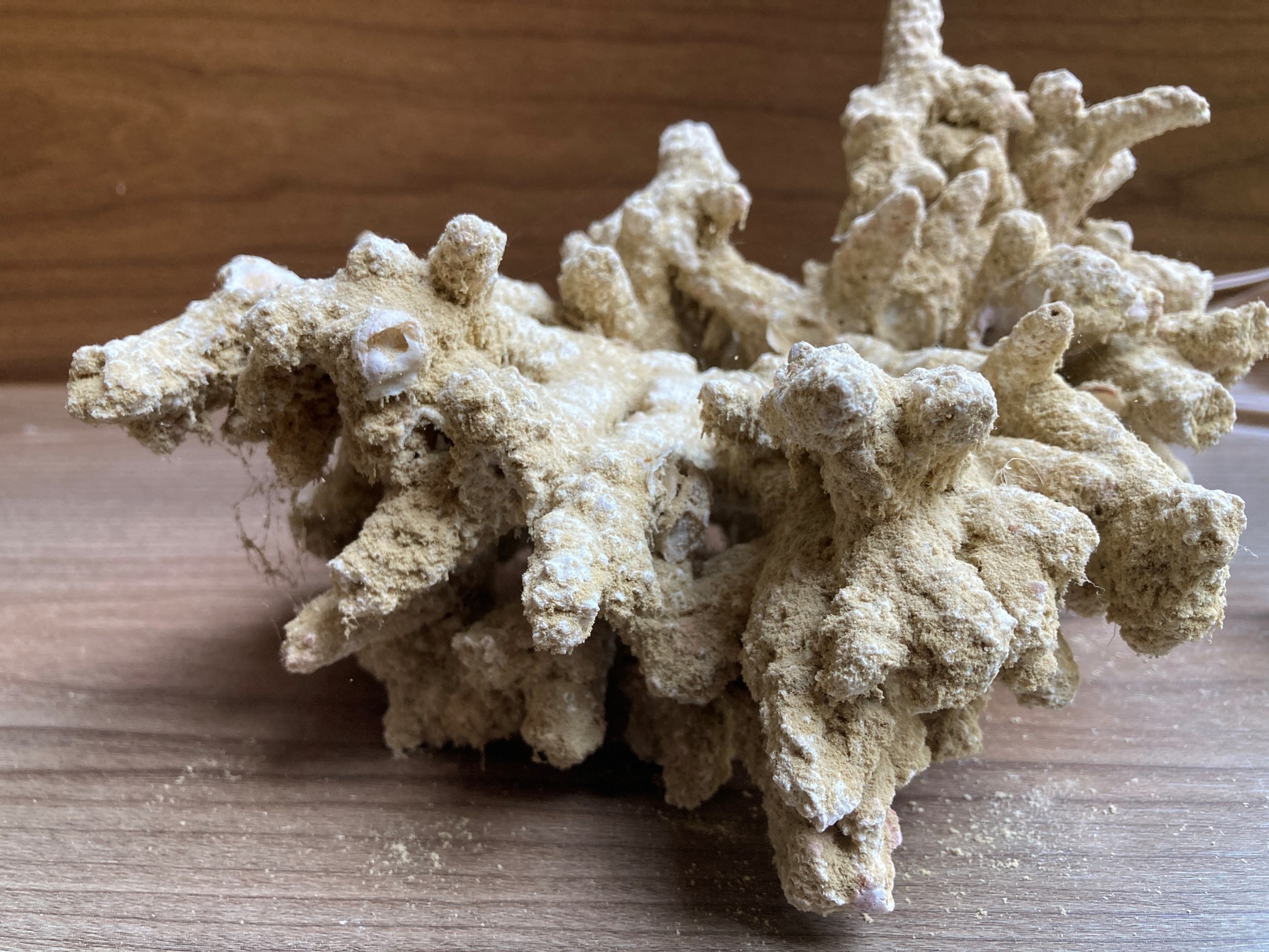
The colonies exhibit diverse shapes, ranging from branching “staghorn” forms to flat-topped “table” structures. Their branches are generally cylindrical and covered with tiny skeletal cups called corallites, each about 0.5 cm in diameter. A distinctive feature is the axial corallite, a larger central corallite located at the tip of each branch, responsible for upward growth. New corallites continuously bud along the sides, allowing the coral to expand.
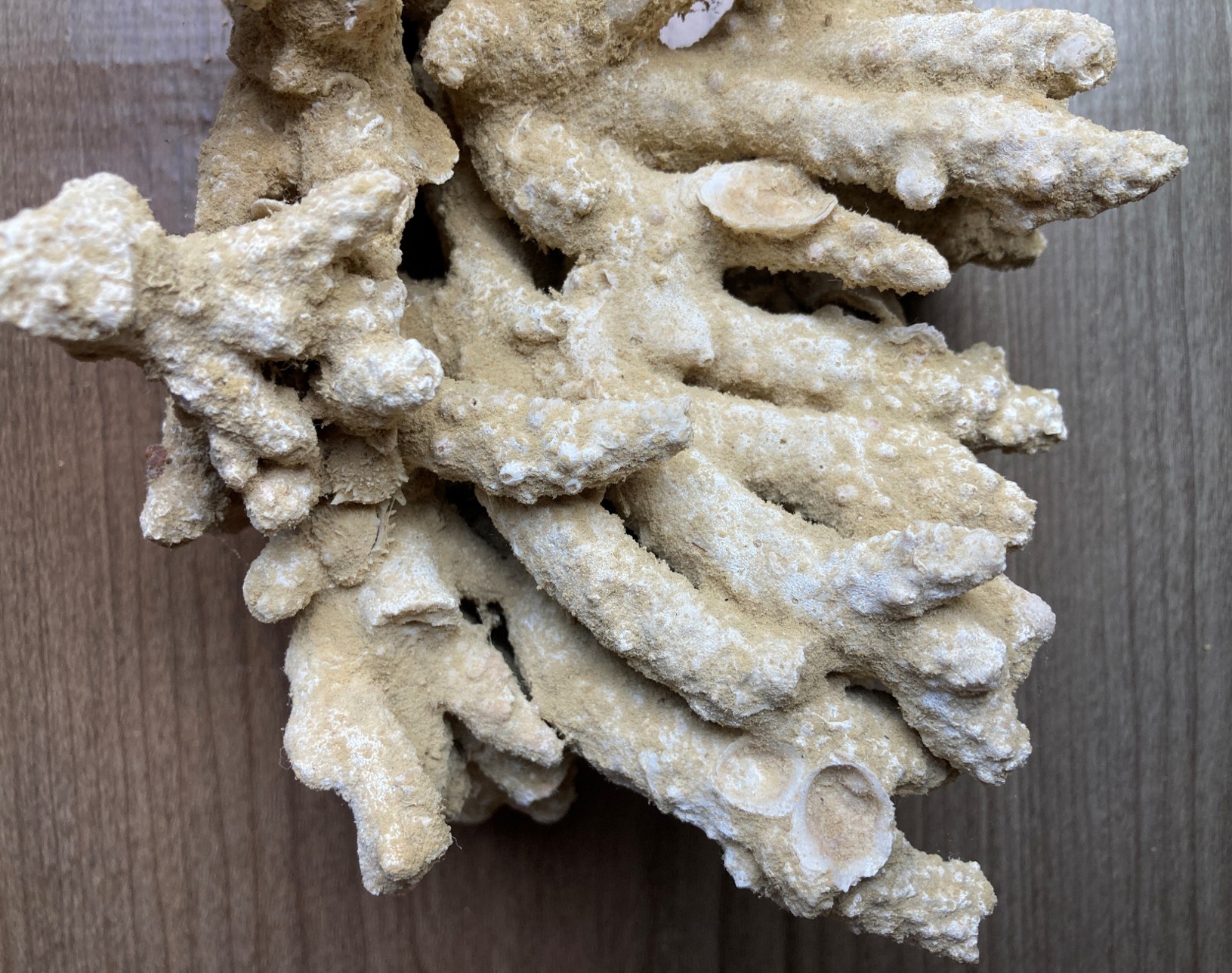
The base of the coral firmly attaches to substrates such as rocks, gradually spreading and strengthening its hold while giving rise to new outward-growing branches.
Coloration and Symbiosis
Acropora corals display a wide range of vibrant colors, including blue, purple, green, yellow, pink, and brown. These colors are largely due to the presence of symbiotic dinoflagellates (zooxanthellae) living within the coral tissues.
These microscopic algae perform photosynthesis, providing essential nutrients to the coral while also contributing to its coloration. Additionally, fluorescent pigments within the coral tissue enhance these vivid hues.
Reproduction
Acropora species reproduce through both sexual and asexual methods:
- Sexual Reproduction:
Occurs via broadcast spawning, where corals release eggs and sperm into the water column in synchronized events, often linked to lunar cycles. Fertilized eggs develop into free-swimming larvae (planulae), which eventually settle and form new colonies. - Asexual Reproduction:
Takes place through fragmentation, where broken coral branches reattach to a substrate and grow into new colonies. This method plays a significant role in reef recovery and regeneration.
Ecological Importance
Acropora corals are vital to marine ecosystems due to their rapid growth rate and ability to build complex reef structures. These reefs:
- Provide habitat and shelter for countless marine species
- Support high levels of biodiversity
- Contribute to reef recovery after environmental disturbances
- Help protect coastlines by reducing wave energy and erosion